
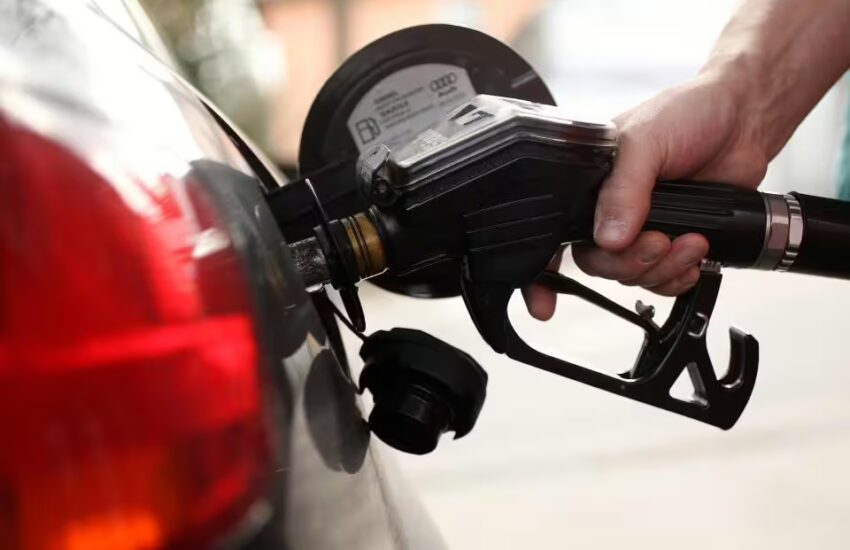
Those who have been driving cars for a long time are familiar with this problem. Yes, the problem of water-contaminated gasoline is a real issue, and you need to know how to deal with it.
There can be incidents that may be your fault or the gas station’s fault that can lead to this contamination. So, before tackling this problem, you need to know why it happens.
How the Problem of Water-Contaminated Gasoline Occurs
There could be water in any gas tank, including in the best sedans and SUVs, and the reason could be one of the following two:
You may have accidentally left the gas cap open during rain or snow.
The gas station where you filled up your car had a faulty water filter, which was sending a quantity of water with the gasoline.
There is very little chance that condensation is the cause of this problem, as fuel tanks are usually very well sealed in most vehicles.
It could be due to one or the other reason. The fact is that you need to recognize it and find a way to remove the water from the gas tank.
Symptoms of Water in the Gas Tank
Here are some symptoms that indicate the presence of water in the gas tank. If you notice them, be sure to resolve the problem as soon as possible. If water remains in the fuel tank for a long time, it risks rusting your car’s fuel system.
Sudden Change in Vehicle Performance
This change manifests as jerky driving. The car constantly stutters and hesitates during acceleration, especially when going up a slope or trying to reach highway speed.
Revving and Jerking at High Speed
Alternatively, you might feel like your car is accelerating or reaching a high speed when you don’t really expect it.
These symptoms of water-contaminated gasoline problem occur when the injectors suck in the water droplet present in the fuel.
Water and gasoline do not burn the same way. When water is sprayed by the injection, the piston receives no element to push into the combustion chamber.
This produces steam. So, when your car reaches a high speed, it’s likely a new injection of fuel after the water that is causing it.
How to Remove Water from the Gas Tank?
The first thing to do is to find a safe place and stop your car immediately, if the water hasn’t already done so. The simplest way is to drain the entire volume of gasoline and refill it with a new load.
It seems expensive, but it’s the best solution. After draining it, let it sit for a while.
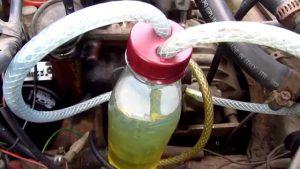
The best solution is to use a drying agent in the form of a fuel additive. Traditional drying agents need to be used with alcohol, which is a bit tedious.
It is generally suitable for older cars whose fuel system parts and seals are made with sensitive materials. However, the newer types are the best solutions for most modern cars.
If all this seems too technical for you, calling a professional mechanic will be the wisest thing you can do.
FAQ
- How does water get into the gas tank?
Water can enter a vehicle’s gas tank through several pathways, including condensation inside the tank (especially during temperature changes), contaminated gasoline purchased from a gas station, or leaks in the tank or fuel system components that allow rainwater or moisture to enter.
- Can water-contaminated gasoline damage fuel injectors?
Yes, water-contaminated gasoline can damage fuel injectors. Water does not compress and burn like gasoline, leading to improper fuel spray, reduced fuel efficiency, and can cause injectors to clog or fail.
- Is there a way to remove water from my gas tank without draining it?
While some additives claim to remove small amounts of water by encapsulating the water molecules and allowing them to burn during combustion, significant water contamination usually requires draining the tank.
These additives should be used with caution and according to the manufacturer’s instructions.
- How can I tell if the gasoline in my tank is contaminated with water?
Symptoms of water-contaminated gasoline include engine misfires, rough idling, difficulty starting the engine, and decreased fuel efficiency.
In some cases, you might notice a separation of layers in the gasoline if you look at it in a clear container, with water settling at the bottom.
- Can water-contaminated gasoline cause rust inside the fuel tank?
Over time, water present in the fuel tank can lead to rust and corrosion, especially in metal tanks.
This not only compromises the tank’s integrity but can also lead to further contamination of the fuel system, as rust particles are carried along with the gasoline.
- What should I do if I accidentally fill my tank with water-contaminated gasoline?
If you suspect you have filled your tank with contaminated gasoline, it is important to stop driving the vehicle as soon as possible to minimize damage.
Arrange for the vehicle to be towed to a service center where the tank can be drained, the fuel system flushed, and components inspected for any damage.
- Are some vehicles more likely to be damaged by water-contaminated gasoline?
While all vehicles can be affected by water-contaminated gasoline, those equipped with high-performance engines or direct injection systems may be more sensitive to fuel quality issues.
These engines rely on precise fuel delivery for optimal performance, and water contamination can more easily disrupt their operation.
- Can water-contaminated gasoline freeze in fuel lines during winter?
In very cold weather, water present in the fuel lines can freeze, potentially blocking the fuel flow and causing engine stalling or starting difficulties.
This phenomenon is more likely in regions with harsh winter conditions and underscores the need to promptly address any water contamination.
Final Words
Resolving the problem of water-contaminated gasoline is essential for maintaining vehicle performance and preventing long-term damage.
If you suspect your gasoline is contaminated, taking immediate action to address the issue can save you from more serious and costly repairs later on.