

This computer is called an ECU or PCM and is included with every car you buy. In addition to an ECU, there are many other small electronic components such as an Electronic Throttle Control (ETC). ETC has a very important function to fulfill.
In older cars, the throttle position was determined by a cable that opened the throttle based on how hard you pressed the accelerator pedal.
However, a direct connection between the throttle and the accelerator pedal was not efficient. Car owners experienced increased fuel consumption. That’s why the throttle control unit was developed.
What is the ETC valve?
This unit makes an important decision every second you drive your car. The ETC collects information from the accelerator and then from the engine to decide how far to open the throttle.
Throttle Body Symptoms
When you press the pedal, an electronic signal is sent to the ETC, which causes the throttle to open or close. If you are driving fast and press the pedal all the way down, your car’s ETC will detect the situation and keep the throttle wide open to let in the maximum amount of air.
Alternatively, the throttle will open slightly if you are only driving to maintain the air-fuel mixture at the optimal level.
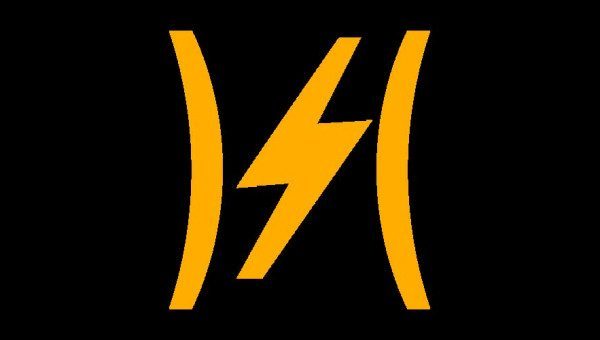
The throttle control unit is necessary to ensure that you get the optimal power from your engine. If it fails, you will face countless problems in your daily driving. That’s why the ETC light on your dashboard illuminates if there is a problem.
This light indicates that there is a problem with the ETC, and you should have it checked as soon as possible. The ETC light is normally the last warning you will receive before your engine’s performance is affected. This is something you cannot afford, so we have compiled a list of symptoms associated with ETC failure.
Problems Associated with Electronic Throttle Control
There are a variety of problems that can occur in an ETC. The good thing is that each problem has its own specific code. If there is an issue, the ECM or ECU triggers the error code, which causes the ETC light to come on in your dashboard.
As soon as the light comes on, you should see a mechanic. The mechanic will attach an OBD2 scanner to your car and check the error code. This code will tell the mechanic exactly what the problem is. Once they are aware of the issue, the mechanic can perform the necessary repairs and clear the code from the system to turn off the malfunction light.
If you know the associated symptoms, you can diagnose it yourself without spending money on a mechanic.
1. Unresponsive Throttle
Throttle Body
The first sign of throttle control failure is an unresponsive throttle. This happens when you press the accelerator but do not get a quick response in terms of faster acceleration. You will feel a weak response from the accelerator and sometimes a shudder before your car accelerates.
One possibility that can occur is if the ETC does not receive the proper electronic signals from the accelerator. The ETC will only function correctly if it receives the right signals. It is possible that a relay is faulty or a wire has come loose from the ETC. Whatever the issue, you will inevitably lose throttle response.
In the worst case, you may get no response from the accelerator, which will cause your car to stop in the middle of the road. Once this happens, you should contact your nearest certified mechanic who has the expertise to handle such a situation. If you are a DIY mechanic, you can even take a look at the throttle unit to see if there are any issues with the accelerator wiring or the accelerator position sensor.
2. Hesitant Throttle
If the ETC is damaged for any reason, the throttle control light on your dashboard will illuminate. A damaged ETC sends incorrect signals to the throttle position sensor, and your throttle will behave incorrectly. This hesitation is slight at first but increases to a point where the throttle no longer responds to the accelerator at all.
Moreover, a hesitant throttle response poses a risk to your safety and that of other road users. You could be involved in an accident and damage property or lives. To be safe, you should consult your mechanic at the first sign of failure.
3. Poor Fuel Economy
If the ETC light on your dashboard is flashing, it is possible that your vehicle’s mileage is affected. Conversely, poor fuel economy can also mean that your TP sensor is not functioning according to standards or that your ETC light is about to fail.
You may feel like you are visiting the gas station more often. This is because an erratic throttle disrupts the air-fuel mixture to such an extent that you sometimes burn more fuel than necessary. A rich air-fuel mixture can seriously harm your fuel economy and cost you a lot to drive your car every day.
4. Limited Acceleration
When things get serious with the ETC, you may not only see a throttle light come on on the dashboard but also feel like you cannot accelerate your car beyond a certain point. This situation is intentional and is performed by the ETC to protect the engine from damage. This is called “limp mode,” a fail-safe mode to protect the internal parts of the engine.