
Volvo’s Electric Ambitions Stalled in 2025
In a surprising market shift, Volvo Cars has reported a significant downturn in its global sales of fully electric vehicles for 2025. This decline marks a stark reversal from the brand’s previous years of steady growth and casts a shadow over its ambitious roadmap to become a fully electric car company. The data indicates that Volvo is facing unique headwinds, even as the broader EV market continues to expand.
Analyzing the Downturn
Several interconnected factors are likely contributing to this unexpected slump. Intense competition, particularly from new Chinese manufacturers offering feature-rich models at competitive prices, has fragmented consumer choice. Furthermore, the gradual reduction of government purchase incentives in key European markets has made the upfront cost of EVs a more significant barrier for buyers. Industry analysts also point to potential consumer hesitation, with some buyers awaiting next-generation battery technology or a more robust public charging infrastructure before committing.
Strategic Implications for the Brand
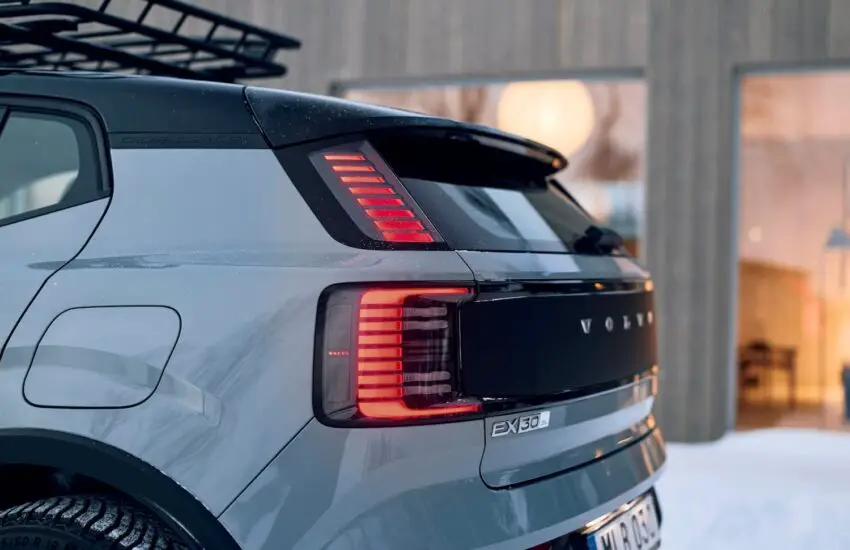
This sales dip presents a critical test for Volvo’s electrification strategy. The company has invested heavily in developing its EX series of electric SUVs and plans to phase out internal combustion engines entirely. A prolonged slowdown could pressure financial targets and force a reevaluation of production timelines. However, Volvo’s strong brand reputation for safety and quality remains a key asset. The challenge will be to translate those core values into compelling electric offerings that resonate in an increasingly crowded and price-sensitive market.
The Road Ahead
Moving forward, Volvo’s response will be closely watched. The automaker may need to accelerate updates to its current EV lineup, enhance value propositions, or intensify its messaging around the long-term ownership benefits of its electric models. The situation underscores a pivotal moment in the industry’s transition: growth is no longer automatic, and success will depend on precise execution, innovation, and deep understanding of evolving consumer demands.