
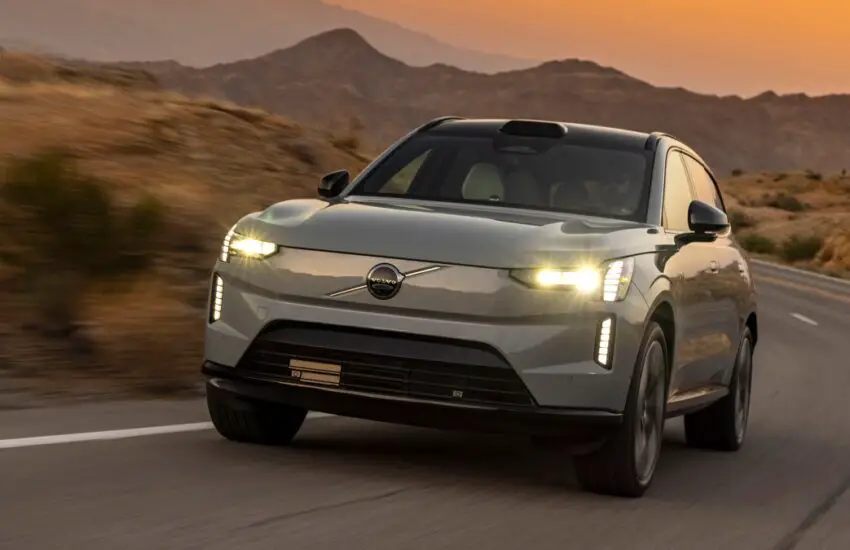
Volvo Shifts Strategy on Autonomous Driving
In a surprising industry move, Volvo has announced it will completely phase out lidar technology from its vehicles starting with the 2026 model year. This decision follows the optional inclusion of lidar in the ES90 and EX90 models, signaling a major pivot in the automaker’s approach to autonomous driving systems. The shift underscores Volvo’s reassessment of cost, technology integration, and real-world performance in its pursuit of self-driving capabilities.
Reasons Behind the Strategic Reversal
Volvo’s departure from lidar stems from a combination of factors, including high costs and evolving technological priorities. Lidar, while offering precise environmental mapping, has presented challenges in affordability and seamless vehicle integration. By moving away from this technology, Volvo aims to streamline production and focus on more cost-effective sensor suites that maintain safety standards. This realignment may accelerate the adoption of advanced driver-assistance features without relying heavily on expensive hardware.
Implications for the Automotive Industry
Volvo’s reversal could influence other manufacturers reconsidering their autonomous driving roadmaps. As a leader in safety innovation, Volvo’s choice highlights a broader industry trend toward balancing cutting-edge technology with practical affordability. This move may encourage competitors to explore alternative sensor combinations, such as cameras and radar, to achieve similar autonomous functionality. The decision reflects a maturing market where reliability and consumer accessibility take precedence over purely technological prowess.
Future Directions for Volvo’s Autonomous Tech
Looking ahead, Volvo plans to enhance its existing sensor systems, focusing on software advancements and data processing. By prioritizing artificial intelligence and machine learning, the company aims to improve object recognition and decision-making in complex driving scenarios. This software-centric approach could lead to more adaptable and scalable autonomous solutions, potentially offering smoother transitions between driver-assist and fully autonomous modes in future vehicles.