
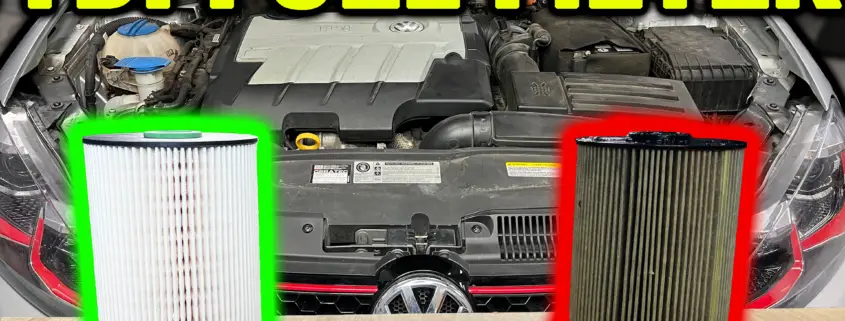
Replacing the fuel filter on a Volkswagen Jetta TDI or an Audi TDI model is a crucial maintenance operation to preserve the health and performance of your Common Rail diesel engine. This detailed guide explains the step-by-step procedure, the necessary tools, and answers a frequent question: is a diagnostic tool absolutely necessary?
Tools needed for replacement
Before starting, gather the appropriate materials. You will need the new fuel filter specific to your model, a ratchet, sockets (usually 10mm and 24mm), a screwdriver, a clean cloth, and a container to collect the diesel fuel. A VCDS diagnostic tool or similar is highly recommended, although some alternative methods exist for the latest models equipped with an electric fuel pump.
Step-by-step procedure
1. Preparation and location
Locate the fuel filter housing, usually found in the engine compartment. Thoroughly clean the area around the housing to avoid introducing dirt into the system.
2. Removing the old filter
Unscrew the purge plug and the temperature/level sensor if present. Use the appropriate wrench to loosen the drain plug located at the bottom of the housing and let the fuel flow into your container. Then unscrew the housing cover and remove the old filter.
3. Installing the new filter
Place the new seal on the housing and insert the new filter. Replace and tighten the cover. Screw the drain plug back in.
Fuel system bleeding
This step is essential. On older models with a mechanical pump, operate the manual priming pump. On newer Common Rail models, using a diagnostic tool to activate the fuel pump via the control unit is the most reliable method to effectively bleed the system and avoid starting problems.
Conclusion
Replacing the diesel filter on your Jetta TDI yourself is an accessible operation that allows for savings. The key to success lies in meticulousness, cleanliness, and proper system bleeding to ensure flawless starting and protect your high-pressure injection system.