
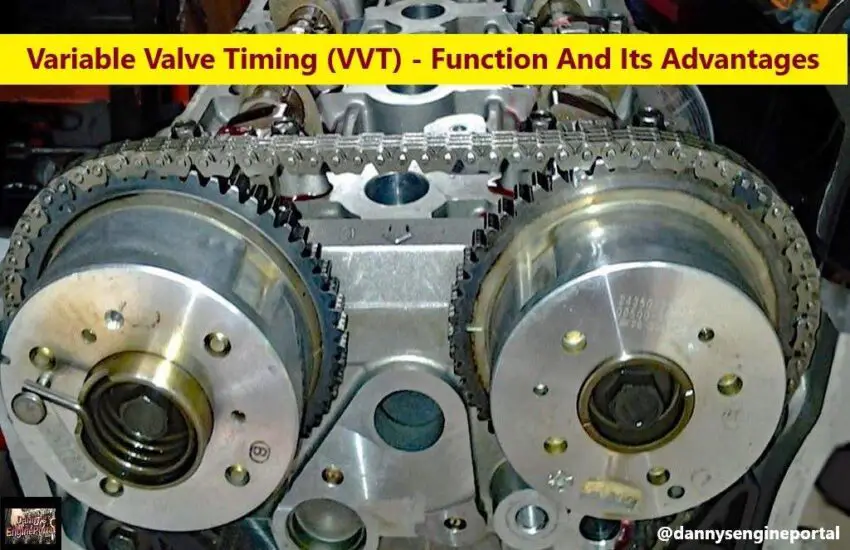
Variable valve timing, or VVT, is an automotive engineering technology that precisely adjusts the timing and lift of engine valve opening. This dynamic adjustment optimizes the intake cycle according to each driving condition, whether at low RPM or full load. The result is a significant improvement in overall engine efficiency.
How does variable valve timing (VVT) work?
Unlike a conventional fixed camshaft timing system, the VVT system uses a hydraulic or electric mechanism to vary the camshaft timing angle. This system is typically controlled by the engine control unit (ECU), which analyzes load, engine speed, and throttle position data in real time. By slightly rotating the camshaft relative to its drive gear, it changes when the valves open and close. This adaptation allows for the perfect compromise between performance, fuel consumption, and emissions.
The main advantages of VVT technology
The adoption of variable valve timing brings tangible benefits for the driver and the environment.
Reduced fuel consumption
By optimizing cylinder filling, the engine makes better use of the energy contained in the fuel. This results in reduced consumption, especially in urban and mixed driving conditions.
Increased performance and torque
VVT allows for better cylinder filling at all engine speeds. The engine thus benefits from more generous torque at low RPM and higher power at high RPM, improving responsiveness and acceleration.
Reduction of polluting emissions
A more complete and efficient combustion generates fewer unburned residues. Variable valve timing therefore plays a key role in meeting anti-pollution standards (Euro 6, etc.) by reducing CO2 and nitrogen oxide (NOx) emissions.
Improved idle and smoothness
The system ensures better idle stability and a smoother, more linear power progression, resulting in a more pleasant and comfortable driving experience.
Conclusion
Variable valve timing (VVT) is much more than just a technical innovation; it has become an essential standard for reconciling dynamic performance and ecological responsibility. By enabling intelligent combustion control, it is one of the key technologies for modern internal combustion engines, both gasoline and diesel.