
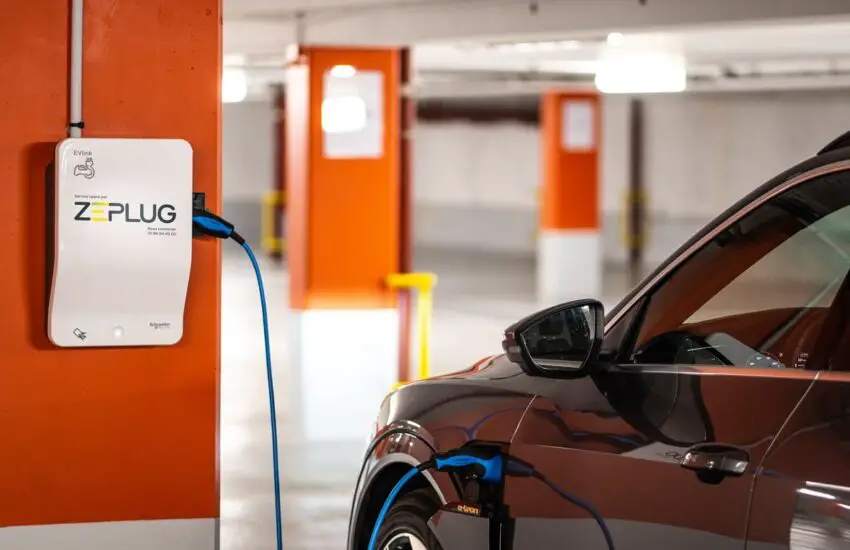
The Condominium Charging Conundrum
For residents of apartments and condominiums, the promise of electric vehicle ownership often hits a significant roadblock: the lack of accessible home charging. While single-family homeowners can easily install a charger in their garage, multi-unit residential buildings present a complex puzzle involving shared infrastructure, collective decision-making, and cost allocation. Solving this challenge is critical for accelerating widespread electric mobility in urban and suburban areas.
Navigating Collective Decision-Making
The first major hurdle is governance. Installing shared charging infrastructure requires a vote from the condominium association or building owners. Proposals must address concerns about grid capacity, equitable access, and long-term maintenance. Clear communication about the benefits, including potential property value increases and meeting future resident demand, is essential for securing approval. Presenting a phased rollout plan can often make the project more palatable to all stakeholders.
Innovative Solutions and Smart Technology
Modern solutions are simplifying this transition. Smart charging stations can manage power distribution efficiently, preventing grid overload without costly electrical panel upgrades. These systems often feature user authentication and billing software, allowing costs to be directly assigned to the EV owner rather than the collective. Furthermore, new regulations in many regions are streamlining the approval process for residents requesting installation, empowering individual owners to move forward.
Overcoming Infrastructure and Cost Barriers
The initial investment for wiring and hardware can be a concern. However, a growing number of government grants, utility company incentives, and innovative financing models are available to offset these costs. A strategic approach involves starting with a few charging points in optimal locations, then expanding as adoption grows. This scalable method demonstrates feasibility and builds consensus for further investment in the building’s electrical future.