
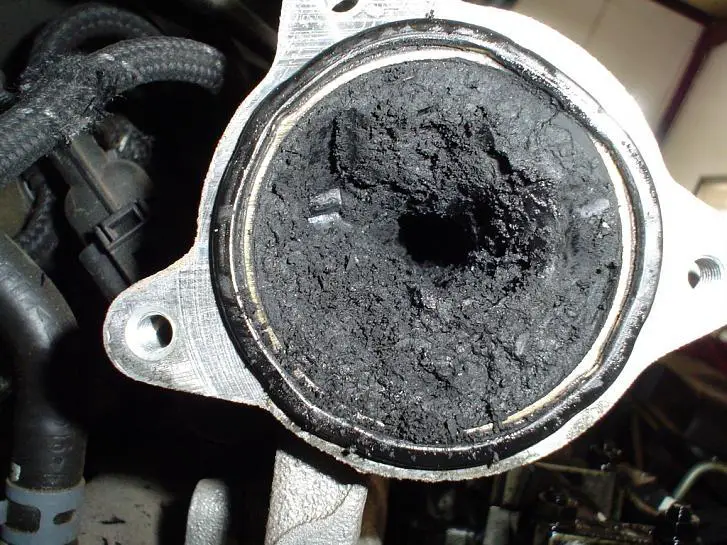
The exhaust gas recirculation (EGR) valve plays a key role in reducing a vehicle’s polluting emissions. It redirects some exhaust gases back into the combustion chamber instead of releasing them into the atmosphere. This process helps reduce the amount of nitrogen oxides (NOx), which are pollutants harmful to the environment.
Why is the EGR system essential?
The EGR system is an essential component in both gasoline and diesel engines. It is designed to lower combustion temperatures, thereby limiting NOx production. This technology complies with environmental regulations that all car manufacturers must follow. By recirculating some exhaust gases, the EGR system creates a diluted air-fuel mixture that slows combustion and reduces engine temperatures by up to 300°F.
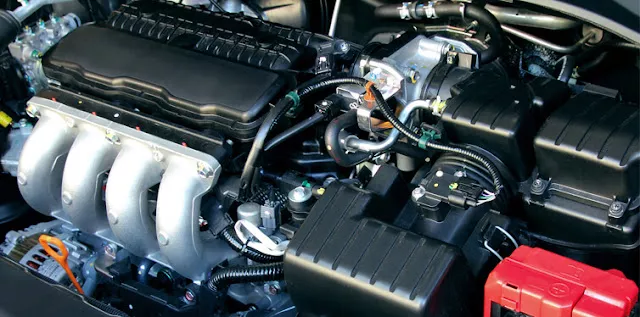
Symptoms of a faulty EGR valve
A faulty EGR valve can harm your vehicle’s performance and increase emissions. Here are the main symptoms to watch for:
- Decreased engine performance
A faulty EGR valve can lead to an improper air-fuel ratio, directly affecting engine power. This results in slow acceleration, excessive fuel consumption, and an overall drop in efficiency. - Check engine light on
The electronic control unit (ECU) detects engine malfunctions, including those related to the EGR valve. When it doesn’t work properly, the check engine light comes on. - Irregular idle
If the valve is stuck open or closed, the amount of recirculated exhaust gas becomes inappropriate, disrupting the engine’s idle. - Fuel odor
Inefficient combustion can produce a strong gasoline smell inside the cabin, which is unpleasant and potentially harmful to health. - Failed emissions tests
A faulty EGR valve increases pollutant emissions, making the vehicle non-compliant with environmental standards. This can lead to failure in mandatory inspections.
Differences based on valve position
- EGR valve stuck open
Symptoms include engine stalling, hesitation during acceleration, and irregular idle. - EGR valve stuck closed
This causes increased temperature in the combustion chamber, knocking, and higher NOx emissions.
How to diagnose and fix problems?
Before replacing an EGR valve, it’s advisable to perform tests to confirm the issue. A portable vacuum pump can be used to check a vacuum-operated EGR valve, while a diagnostic tool is needed for electronic models. Consulting a professional ensures proper inspection and maintenance.
EGR valve FAQ
- Can a faulty EGR valve affect fuel efficiency?
Yes, it can cause incomplete combustion, increasing fuel consumption. - Is it safe to drive with a faulty EGR valve?
Although possible, it can damage other engine components and increase emissions. It’s best to address the issue promptly. - Can a faulty EGR valve cause overheating?
Yes, because it plays a crucial role in regulating engine temperature.
In conclusion
Identifying and addressing symptoms of a faulty EGR valve is crucial to maintaining your vehicle’s performance and reducing its environmental impact. Regular inspection and prompt action in case of issues ensure optimal operation and extend your engine’s lifespan.