
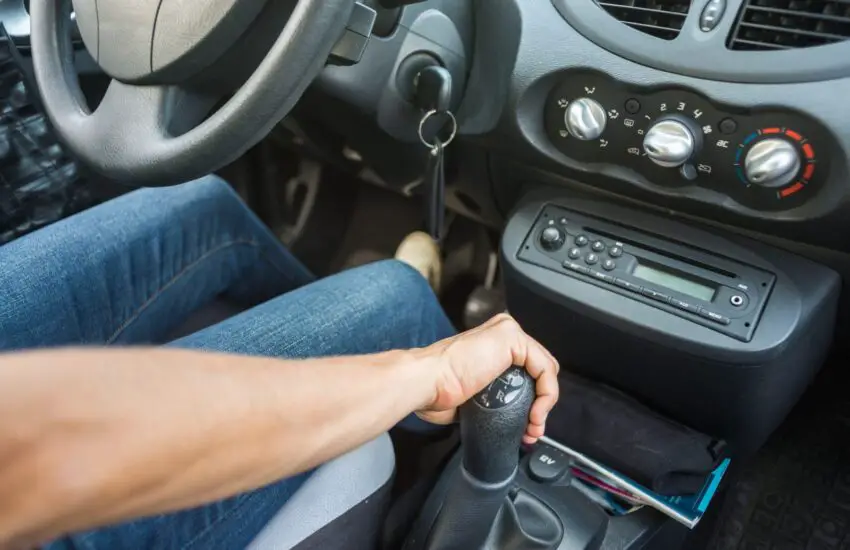
For any new car learner, understanding and using the clutch system reduces stress, particularly at traffic lights. For some, it’s also an intimidating experience, as the first challenge when learning to drive is stopping and moving the vehicle again. Therefore, if someone wants to acquire good clutch control skills, it’s essential that they first understand how the clutch system works and when to use it while driving.
Essential Components of the Clutch Control System
The clutch system consists of two discs: the friction plate and the pressure plate. The pressure plate is connected to the gearbox side of the system via an axle. And the friction plate is attached to the engine side via the crankshaft.
Clutch Control and Its Operation
This system is important for regulating the car’s speed in a manual transmission vehicle. The clutch control effectively transmits power from the engine to the gearbox.
There, the clutch interrupts the transmission when the gear is changed while moving or when it’s selected to shift from a stationary position.
To better understand the operation of clutch control, let’s delve deeper into its functioning.
1. Operating Principle of Clutch Control
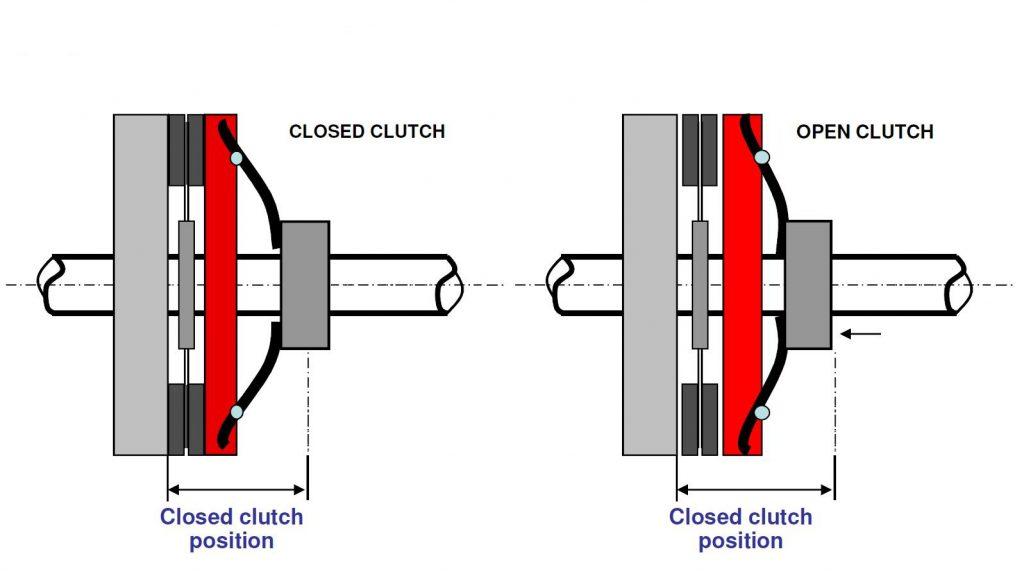
Starting with pressing the clutch pedal, this action separates the pressure and friction plates from each other.
This means the wheels are separated from the car’s engine, preventing any power from reaching the wheels. But here, the plate along the shaft still rotates while the engine is running.
Now, once the car is in the desired gear, it’s time to lift the clutch pedal, which allows the plates to stick together again. However, things are different when in first gear.
At this point, the clutch pedal is released in such a way that the discs slowly come closer. Thus, allowing the car to roll smoothly by reconnecting the broken link between the engine and the wheels.
2. Learning Clutch Control Techniques
You now know that it’s a technique to control the car’s speed. But what exactly is the technique? Let’s find an answer in advance.
First, when you’re in the driver’s seat, ensure the clutch pedal is working properly, fasten your seatbelt, start the engine, and set the handbrake to rest.
Once all that is done, now apply force to the clutch pedal and select first gear. Then, power the engine by gently pressing the accelerator and simultaneously, slowly lift your foot off the clutch.
At this point, when the clutch discs meet, it’s called the bite point. In fact, this bite point occurs multiple times while driving.
However, it’s important to remember that the force applied to the clutch pedal should be less than that applied during first gear.
When to Use the Clutch
There are certain defined situations where clutch control must be used, such as stopping or starting the vehicle, controlling the vehicle at low speed, and when changing gears.

Tip: When driving off-road, it’s wise to slow down the clutch engagement, otherwise the vehicle would stall as the gear shifts.
After learning about the clutch control system, practicing it can only make you an experienced driver. So, start today!
But also consider following some maintenance tips, which prevent wear and tear on clutch components.
FAQ
- When should I downshift using clutch control?
Downshifting is necessary when you need to reduce speed or prepare to stop. To downshift, press the clutch, shift to a lower gear, and release the clutch gradually while matching the engine speed to the new gear.
- Can clutch control help with hill starts?
Clutch control is crucial for hill starts. You need to use the handbrake, engage the clutch, shift into first gear, find the bite point, release the handbrake, and gradually release the clutch while applying the accelerator to avoid rolling back.
- Is clutch control different across vehicles?
The basics of clutch control are similar for most manual transmission vehicles, but the feel and engagement point of the clutch pedal can vary from car to car. It’s important to familiarize yourself with the specific vehicle you’re driving.
- Is clutch control necessary for automatic transmission vehicles?
No, automatic transmission vehicles do not require clutch control as the transmission system automatically manages gear changes and clutch engagement. Clutch control is primarily for manual transmissions.
- Can clutch control contribute to energy efficiency?
Yes, using clutch control techniques, such as coasting during deceleration and avoiding unnecessary gear changes, can contribute to better fuel efficiency in manual transmission vehicles.
- Is it acceptable to “ride” the clutch while waiting at a red light?
It’s generally not recommended to keep the clutch pedal partially depressed for long periods at a red light. Instead, shift to neutral and release the clutch while keeping your foot on the brake pedal.
- Can clutch control be used for smooth parking maneuvers?
Yes, clutch control is beneficial for parking in tight spaces or performing precise maneuvers. It allows for fine control over the vehicle’s speed and direction.
- Should I use clutch control when driving in slippery or off-road conditions?
Yes, clutch control can be particularly useful in low-traction situations. It allows you to modulate the power delivered and maintain better control over the vehicle’s movements.
- Is it possible to burn out the clutch by using it excessively?
Yes, excessive or improper use of the clutch can lead to premature wear and potentially damage the clutch. It’s important to use proper clutch control techniques to extend the clutch’s lifespan.
Conclusion
Understanding and mastering clutch control takes time and practice, but it’s a valuable skill for driving manual transmission vehicles.
If you have more specific questions or need further clarification on any aspect of clutch control, feel free to ask CFJ at any time.