
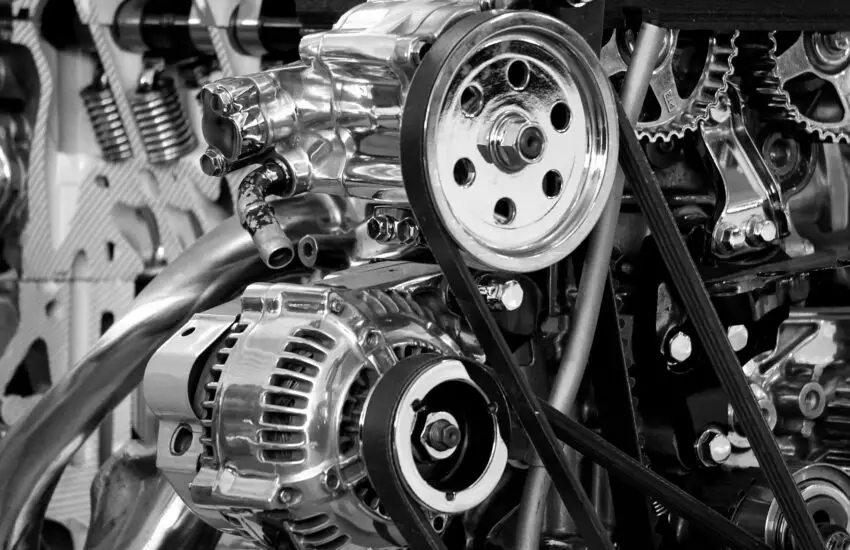
Understanding the basics of automotive electrical repair is essential for every vehicle owner. The electrical systems in modern cars control vital functions, from starting the engine to operating electronic equipment. This article explores the fundamental principles of automotive electrical repair, common issues, and diagnostic methods.
Common Automotive Electrical Problems
-
Dead Battery: A weak or faulty battery is one of the most widespread electrical issues. It can cause starting difficulties, intermittent power loss, and malfunctioning electrical accessories.
-
Failing Alternator: The alternator charges the battery and powers the electrical system when the engine is running. A faulty alternator leads to a constantly drained battery and failures of electrical components.
-
Defective Starter: The starter engages the flywheel to initiate the starting process. A failing starter manifests as difficulties starting the vehicle or characteristic clicking noises.
-
Blown Fuses: Fuses protect the electrical circuit from power surges. A blown fuse can interrupt the operation of multiple electrical equipment simultaneously.
Diagnosing Automotive Electrical Problems
When facing an automotive electrical issue, a methodical diagnostic approach helps effectively identify and resolve the malfunction. Here are the fundamental steps:
-
Check the Battery: Visually inspect the battery for corrosion or damage. Use a multimeter to check the voltage and ensure it matches the manufacturer’s specifications.
-
Inspect the Alternator: If the battery is in good condition, check the alternator. A faulty alternator often shows signs such as a battery warning light on the dashboard or varying headlight brightness.
-
Test the Starter: A failing starter typically produces a sharp click when starting without the engine turning over. Verification requires specialized tools and safety precautions.
-
Check the Fuses: Consult the owner’s manual to locate the fuse box. Visually inspect each fuse or use a tester to identify blown ones.
Importance of Professional Expertise
Although some basic diagnostics are accessible to individuals, the increasing complexity of automotive electrical systems often requires the intervention of qualified professionals. Specialized technicians have advanced diagnostic equipment and specific training to handle complex electrical failures.
Preventive Maintenance Techniques
Adopting good maintenance practices significantly reduces the risk of electrical failures. Regular maintenance includes cleaning battery terminals, checking electrolyte levels, visual inspection of wiring, and monitoring alternator output voltage. These simple actions extend the lifespan of electrical components and improve vehicle reliability.
Evolution of Automotive Electrical Systems
Automotive electrical systems have evolved significantly, now incorporating electronic control units, multiplexed networks, and sophisticated driving aids. This growing complexity demands specialized technical skills and appropriate diagnostic equipment to ensure effective and lasting repairs.