
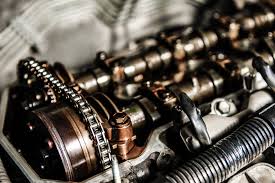
Most drivers ignore their camshaft position sensor… until their car starts malfunctioning. This discreet component plays an essential role in engine timing, and its failure can lead to unpredictable, even dangerous, behaviors. Let’s decode the symptoms of a faulty sensor, its diagnosis, and the repair costs.
What is the Purpose of the Camshaft Position Sensor?
This electronic sensor monitors the rotation and position of the camshaft, which controls the opening and closing of the valves. It sends this data to the Engine Control Module (ECM), which synchronizes fuel injection and spark plug ignition based on valve movements.
Think of it as the conductor of your engine: it ensures that the ECM triggers key steps at the right time. Most engines have one or two, located near the cylinder head or timing case. Vehicles with variable valve timing may have more.
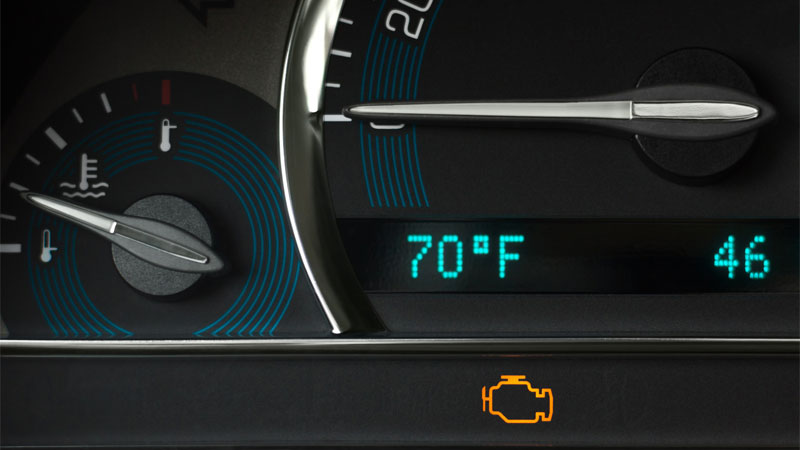
6 Symptoms of a Failing Camshaft Position Sensor
- Check Engine Light Comes On
The ECM activates the light if the sensor sends inconsistent signals. Common error codes:- P0340/P0341: Sensor circuit or signal problem.
- P0016/P0017: Misalignment between the camshaft and crankshaft.
- Starting Problems
A faulty sensor disrupts injection timing. Result: slow starting, intermittent starts, or failure to start. - Engine Sputtering or Stalling
Jerking, hesitation during acceleration, or irregular idle are common. In severe cases, the engine may stall suddenly. - Jerking or Surging at Constant Speed
Erroneous signals cause the ECM to adjust fuel and timing erratically, creating jolts similar to unintentional pressing/releasing of the accelerator. - Increased Fuel Consumption
Poor timing leads to excessive injection. If your consumption rises with performance issues, the sensor is suspect. - Activation of Limp Mode
To protect the engine, the ECM limits power, reduces RPM, or disables cruise control. While this allows safe driving, urgent repair is necessary.
Cost of Replacing the Sensor
The repair remains affordable compared to other engine work:
- Part: 20–200 USD per sensor (depending on model and brand).
- Labor: 1–2 hours (80–140 USD/hour), depending on accessibility.
- DIY Option: Replacement in 15–30 minutes if the sensor is easily accessible.
Buy the part from AutoZone, RockAuto, or Amazon (check compatibility). For vehicles under warranty, consult a dealer for OEM parts.
Diagnosing the Problem
- Use an OBD2 Scanner
Identify error codes like P0340 or P0016. - Inspect the Sensor and Wiring
Look for oil leaks, corroded connectors, or physical damage. - Test with a Multimeter
Measure voltage at the connector (typically 5V or 12V, ignition on). Consult a repair manual for exact values. - Rule Out Other Causes
Common confusions: faulty crankshaft sensor, worn timing belt, or vacuum leaks.
Why Do These Sensors Fail?
- Natural Wear: Average lifespan: 100,000–150,000 km.
- Oil Contamination: Leaks from cylinder head gasket or seals.
- Overheating: Excessive temperatures damage electronics.
- Electrical Issues: Power surges or short circuits.
- Mechanical Shock: Rare, but possible during repairs.
Can You Drive with a Faulty Sensor?
It’s possible, but risky:
- Risk of stalling in traffic.
- Long-term engine damage (incorrect timing).
- Failure in emissions tests and increased fuel costs.
Act quickly to avoid costly repairs or dangerous situations.
In Summary
A failing camshaft position sensor disrupts your engine’s harmony, but a quick repair restores its proper function. Ignoring the symptoms jeopardizes your safety and the engine’s health. Whether you choose DIY or a professional, resolve the issue promptly to keep your vehicle in perfect condition! 🔧🚗