
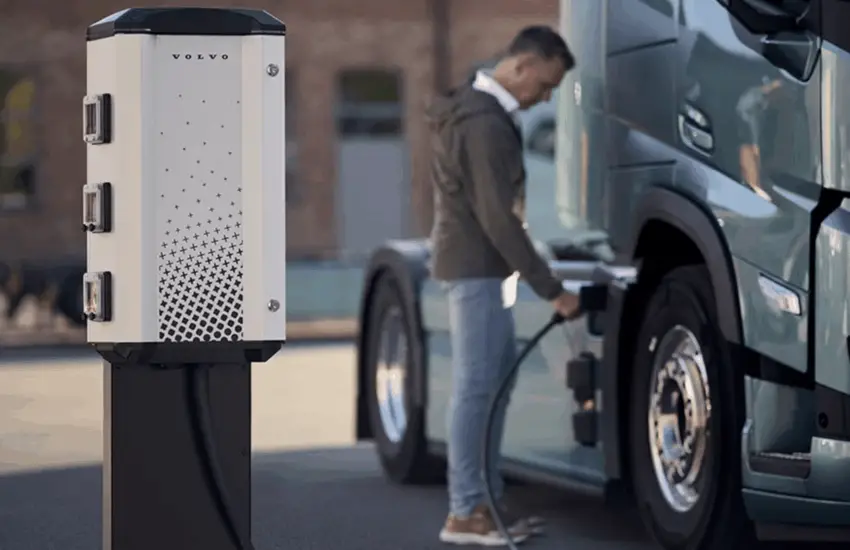
The Road to Electrification Takes a Detour
The global push for sustainable transportation is undeniable. However, the journey toward electrification is encountering unexpected speed bumps in the passenger vehicle segment. Concerns over cost, charging infrastructure, and raw material constraints have prompted a strategic rethink. In response, a compelling new direction is gaining traction: redirecting battery innovation and resources toward the electrification of trucks.
Why Trucks Are the New Battery Champions
Heavy-duty trucks present a surprisingly efficient use case for current battery technology. Unlike personal cars which require vast, dispersed charging networks, commercial trucks often follow predictable, fixed routes. This allows for centralized depot charging, simplifying infrastructure needs. Furthermore, fleet operators can achieve significant economies of scale, making the higher upfront investment in electric trucks more manageable through lower lifetime operating costs.
Overcoming Hurdles on the Highway
The shift toward electric trucks addresses several core challenges facing the battery industry. The larger physical size of trucks can accommodate bigger battery packs without compromising design, easing energy density pressures. This sector also benefits from more predictable duty cycles, allowing for optimized battery management and longevity. By focusing on commercial fleets, the industry can streamline production, drive down battery costs through volume, and build a more robust supply chain.
A Catalyst for Broader Change
Prioritizing truck electrification does not mean abandoning electric cars. Instead, it creates a powerful catalyst for the entire ecosystem. Advancements in battery durability, fast-charging solutions, and recycling pioneered for the demanding trucking sector will inevitably trickle down to passenger vehicles. This strategic pivot could accelerate the overall transition to sustainable mobility by building industrial strength and public confidence in electric drivetrains where it makes the most immediate operational and environmental sense.