
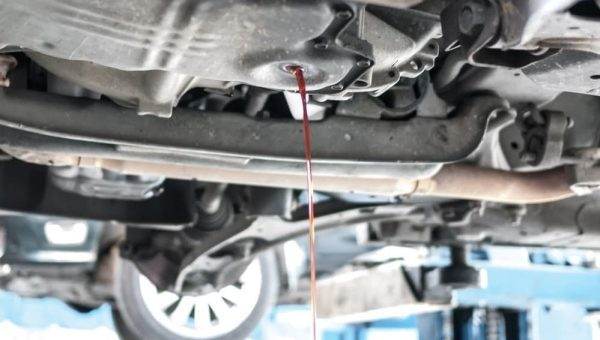

Transmission Flush vs Fluid Change: Are the Services the Same? We know that many drivers are still confused between these forms of fluid maintenance and don’t know which one will best suit the vehicle. We understand your concern and that’s why we want to delve deeper and highlight the differences between a transmission flush and a change to help you keep your transmission fluid always in good condition.
Transmission Flush: Everything You Need to Know
What is a Transmission Flush?
Transmission fluid is the compound that lubricates the machine’s parts and especially the gears inside the gearbox, helping the transmission to operate smoothly and stably. Additionally, it also has anti-wear and anti-rust effects. Maintaining the gearbox fluid at a stable level not only helps the car run better and more powerfully but also increases the transmission’s lifespan. Over time, due to high-temperature work, oil molecules break easily, the oil oxidizes, the oil quality is no longer the same, and lubrication capacity and cooling are reduced.
At this point, flushing the transmission fluid is a good action to take. The transmission flush is a maintenance process to remove 100% of the old transmission fluid, deposits, and dirt from a vehicle’s transmission and replace them with new fluid. The transmission fluid flush is designed to prevent transmission problems and ensure your vehicle’s proper operation. This process is as simple as cleaning the used fluid with fresh fluid to keep your transmission healthy.
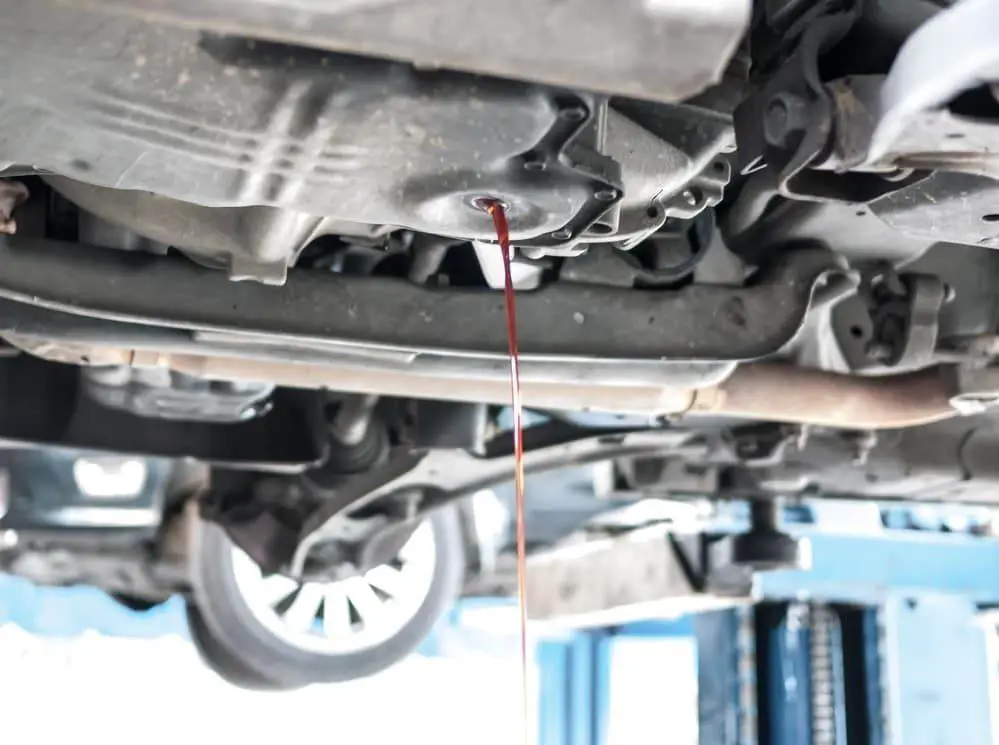
When Do You Need to Flush Transmission Fluid?
According to the auto repair shop, drivers will need to flush the transmission fluid every 60,000 miles or every 3 years to keep their car in good condition. To know the exact time to flush the gearbox fluid, you can refer to the manufacturer’s instructions. In case your vehicle is equipped with a sealed transmission (no dipstick), you should still flush the fluid when the car has traveled 100,000 to 160,000 miles.
The second warning sign that tells you to flush your transmission fluid is when you notice the fluid turns brown or dark red on the dipstick because fresh transmission fluid is always red.
Gear slipping is also a wake-up call about the condition of your transmission fluid. If your transmission fluid contains excess dirt and contaminants, it can block the fluid flow, thus reducing hydraulic power. As a result, there may not be enough power to stay in gear.
Having difficulty shifting gears: Whether it’s a manual or automatic transmission. If the transmission has too much dirt or deposits in the fluid, the consequence will be a slow response when shifting gears. This may be a good time to flush the transmission fluid if the vehicle is slow to shift.
How Much Does Transmission Fluid Flush Cost?
Generally, the typical price range for a transmission flush with a pressure machine is $125 to $300. The cost depends on a number of items, including your car’s make and model, your location, the type of shop, the machine used by the machine, and any additional service.
It can take 30 minutes to flush the fluid if this job is done by an experienced mechanic. One thing that has a significant effect on the job cost is the amount of transmission flush required by your vehicle. The more fluid your vehicle needs, the higher the service price will be. Normally, transmission fluid will have a price ranging from $5 to $7 per quart, but some cars will require up to 16 quarts of fluid.
Should I Flush My Transmission Fluid?
Many debates revolve around the issue: is transmission flush good or bad? Many experts believe that flushing the transmission fluid will be a healthy activity for your transmission system. However, some people deny that the high pressure of the transmission fluid is actually bad for the vehicle because it creates a number of problems. They argue that the excessive pressure used to flush out older fluids tends to damage the internal components of the system. It removes contaminants to some extent, but whether it actually removes all contaminants is a matter of debate.
The question to ask yourself is: is transmission fluid flush good or bad? In most cases, flushing the transmission is fine! You want to replace 100% of the old contaminated fluid with new, fresh fluid. Especially when your fluid has more than 50,000 miles. If the transmission fluid set has expired, you can choose to change the fluid. Flushing a system has gone so far as to push debris into places inside the transmission where they don’t belong. And of course, this action will have a significant impact on your transmission fluid.
Transmission Fluid Change
What is a Fluid Change?
Changing transmission fluid is a simple process. All we have to do is drain a large amount of fluid from the pan, change a filter, and refill the fresh fluid into your pan at once. The big difference between a fluid change and a flush is that a fluid change will not replace all the transmission fluid in the pan with new fluid.
You can easily understand that you will need to change the transmission fluid if the fluid level is low or loses its viscosity. Using the dipstick, if your fluid is only darker than usual but has not burned or corroded completely, it’s a signal for you to change it. The recommended fluid change interval is about 30,000 miles and 60,000 miles. And every car will have different ways of telling you if you need to change the fluid.

Transmission Fluid Change Cost.
How much does transmission fluid change cost? The cost you will pay for a fluid change will range from $80 to $250 for manual and automatic transmission and the price will depend on each dealer or service center. And the average price will be estimated at around $100. Additionally, when changing the transmission fluid, we recommend replacing or cleaning the filter or pan. The price for filter replacement ranges from $15 to $30 and for gaskets from $75 to $150.
Changing Transmission Fluid: Is It Good or Bad for Your Car?
We will cover the question “Can a fluid change damage your transmission fluid?”, you may have heard but still don’t have an answer. A fluid change cannot damage your transmission components. Problems will start to occur when you change the fluid if your clutch has worn out or been damaged over time.
If you still replace the fluid after these parts have the wear signal. This can cause slipping. The old fluid contains particles that actually help with engagement, making it grittier to allow for a tighter grip. New fluids do not contain this substance and may not adhere firmly, causing slipping.
Transmission Flush vs Fluid Change: Which is Best for Your Car?
After reading the above analysis, should I do a transmission flush or change it? The selection of the appropriate method depends entirely on the condition of the transmission fluid as well as the car model. However, before making a decision, we would like to confirm that transmission fluid flush and a fluid change are two completely different services.
The main difference between these services is that changing the transmission fluid removes about 20% to 40% of the total fluid volume. During flushing, the fluid will remove most contaminants from the fluid with fresh, clean fluid. However, the ultimate goal of a fluid flush and a fluid change is also to improve the performance and lifespan of your transmission. To help you make the decision more easily, we will analyze a few pros and cons of these transmission services.
The Advantages of Transmission Fluid Flush.
- Many drivers believe that flushing the fluid can help remove dirt and materials from an engine, thus improving engine performance and lifespan. Old fluid can be left in the transmission during a fluid change, contaminating the new fluid and causing performance problems. The transmission flush will help you avoid this risk.
- The transmission flush will be performed less frequently (every 60,000 miles) whereas a fluid change typically occurs after 30,000-mile driving intervals.
- The flush will push all the old fluid out under pressure and run cleaner through the system to completely change the fluid. It’s an effective way to reset your transmission to its new original condition. This allows for optimal performance because the transmission only operates with fresh fluid.

Disadvantages of Transmission Fluid Flush
- The total typical cost you pay for a transmission flush can be almost double that of a fluid change.
- If your transmission has over 100,000 miles on it, flushing the fluid can strip the varnish and cause the control valve to stick
- Not a panacea: flushing transmission fluid is not an alternative to maintaining a good transmission. Flushing the gearbox cannot solve major problems caused by a lack of prior maintenance, such as delays and slipping.
- The fluid will move in the opposite direction of normal flow due to eddy currents during transmission fluid flushing. Which can lead to the risk of dislodging debris and causing it to settle in a place where it shouldn’t.
The Advantages of Changing Transmission Fluid
- You save a cost compared to flushing the transmission fluid. The average cost you pay for an oil change is typically $100, while flushing the fluid can be up to $150 or more.
- Periodically changing the transmission fluid according to the manufacturer’s guide. Especially once it has turned black, it is a good method to improve your fuel economy. Your transmission and car engine will run more easily after a fluid change.
- The transmission fluid change process is quicker and easier than flushing the fluid. Drivers can absolutely perform this procedure at home.
Disadvantages of a Fluid Change
- Old transmission fluid may still exist in the transmission system during a fluid change. Which will lead to contamination of the new fluid, thus reducing transmission performance.
- May not completely drain the buildup, which can lead to faster buildup in less time
What is Better?
A fluid change means a certain percentage of the old fluid remains in the transmission system (can be up to 50%). But a complete flush ensures that every part of the transmission gets rid of the old oil. So, what’s better for you?
Our advice for you: If you think you haven’t frequently maintained the transmission system in the past. A fluid change will be a better option for you. Because flushing the transmission fluid can cause debris or grime stuck in the fluid lines and even worsen the aging of rubber seals. Conversely, if your gearbox is regularly maintained, flushing the transmission fluid can help you remove all the old fluid from the pan.
Whichever method you choose to maintain your transmission system. Make sure the filter is changed or replaced and use the fluid recommended by the manufacturer. And the pan is dropped and check for any issues.
Bottom Line: Transmission Flush vs Fluid Change: Which is Best for Your Car?
It can be said that the gearbox plays a very important role in your car’s system. Therefore, choose the most appropriate maintenance method to improve operational efficiency. Whether you choose a transmission flush or a fluid change? We recommend referring to your own manual or seeking advice from manufacturers or service centers before making a decision. With the analysis in the article above. We believe it will help you choose an effective and cost-efficient transmission maintenance service.