
A Shift in Perspective on Fuel Cell Technology
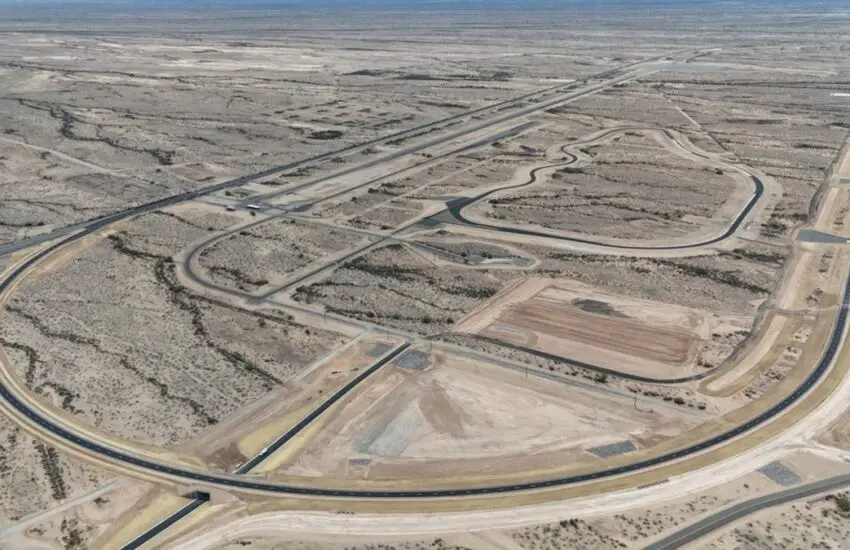
For years, Toyota’s steadfast commitment to hydrogen fuel cell vehicles (FCEVs) has been met with industry skepticism. Many, including myself, have questioned the logic behind investing in a technology facing infrastructure hurdles while battery-electric vehicles gain rapid adoption. This skepticism was precisely why an invitation to Toyota’s proving grounds in Arizona proved so compelling. It was an opportunity to move beyond theory and experience the technology firsthand.
Experiencing the Engineering Reality
The visit centered on direct, unfiltered experience behind the wheel. Piloting prototypes and production models like the Mirai across demanding tracks revealed aspects data sheets cannot capture. The immediate, linear torque delivery is reminiscent of a powerful electric vehicle, providing smooth and confident acceleration. Notably, the only emission is pure water vapor, a fact underscored during the drive.
More impressive was the refueling process. In a controlled demonstration, filling the hydrogen tanks to full capacity took roughly three to five minutes, mirroring the familiar routine of gasoline refueling and presenting a stark contrast to even the fastest battery charging times. This addresses a core consumer concern: convenience for longer journeys.
Beyond the Passenger Car
Toyota’s vision extends far beyond sedans. The showcase included hydrogen-powered heavy-duty trucks and industrial equipment. Observing a large-capacity fuel cell truck operate silently and without tailpipe emissions highlighted the technology’s potential for decarbonizing sectors where battery weight and charging downtime are significant barriers. This broader application framework suggests Toyota views hydrogen not as an electric vehicle replacement, but as a complementary solution for specific, challenging use cases.
The journey from skeptic to understanding is not about dismissing the very real challenges of hydrogen infrastructure and production costs. Instead, it is about recognizing a multi-pathway strategy to carbon neutrality. Witnessing the technology’s maturity, performance, and strategic application firsthand makes Toyota’s persistent advocacy far more comprehensible.