
The Unconventional Research That Fueled Toyota’s Rise
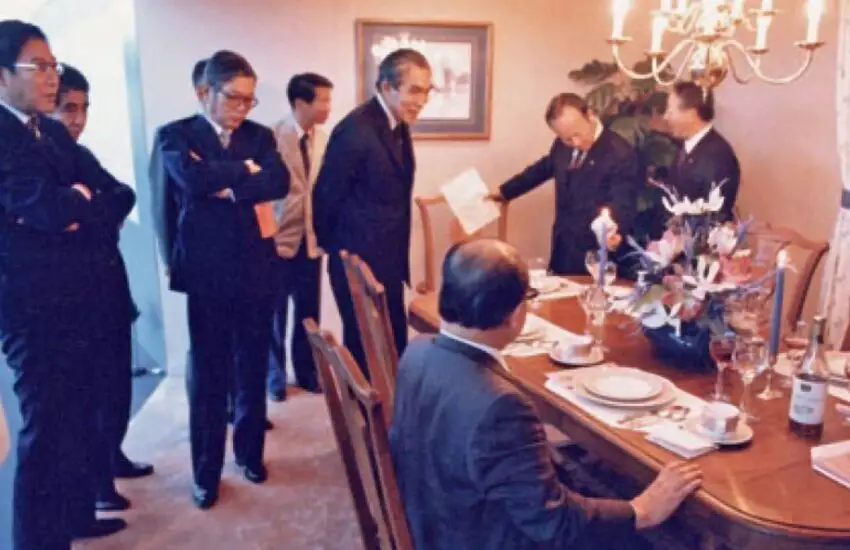
In the competitive landscape of the 1980s, Toyota faced a significant challenge: deeply understanding the American consumer. While data on sales and preferences was available, the Japanese automaker sought a more intuitive, human-centric insight. Their innovative solution was as simple as it was brilliant: building a full-scale, fake American dining room at their headquarters in Japan.
Beyond Numbers: Capturing the American Lifestyle
This replica room was meticulously designed with authentic furniture, appliances, and décor imported directly from the United States. The goal was not to study aesthetics, but ergonomics and daily life. Toyota engineers and designers would sit at the table, use the kitchen, and move through the space. This immersive experience provided tangible, physical understanding of the average American’s stature, how they moved in domestic settings, and their spatial needs—factors vastly different from those in Japan.
Engineering Comfort for a New Market
The insights gained were directly translated into vehicle design. This hands-on research informed critical aspects like seat dimensions, pedal placement, headroom, and overall cabin spaciousness. It allowed Toyota to engineer cars that felt instinctively comfortable and accommodating to American drivers and families, moving beyond mere specification sheets to genuine user comfort.
A Legacy of Cultural Empathy in Design
This fake dining room symbolizes a core principle of Toyota’s global strategy: cultural empathy as an engineering requirement. By literally stepping into their customers’ shoes—and homes—they bridged a vast cultural and physical gap. This commitment to deeply understanding local needs was a cornerstone in building the trust and popularity that propelled Toyota from a serious challenger to a dominant force in the crucial North American market, demonstrating that true innovation often lies in the depth of understanding, not just technological advancement.