
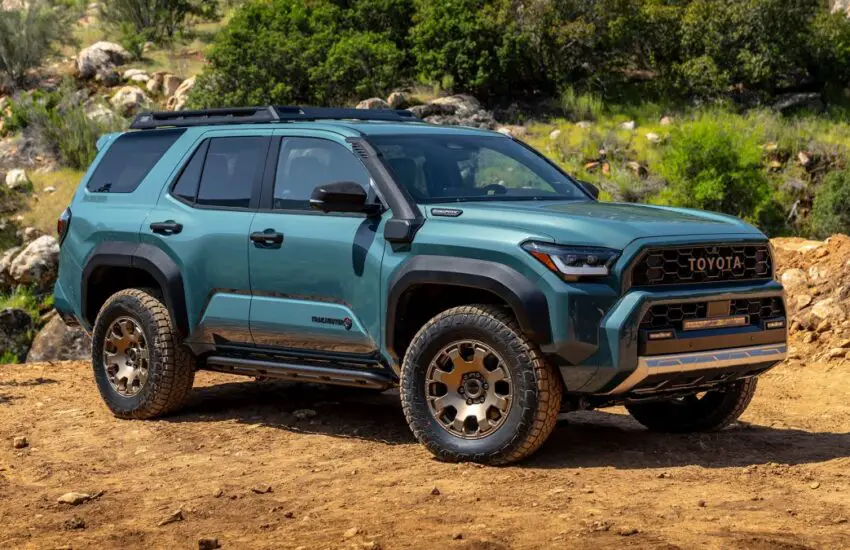
Toyota’s Electrified Surge Defies Market Trends
While some automakers report a cooling in pure battery electric vehicle (BEV) demand, Toyota’s 2025 sales figures reveal a powerful and contrasting narrative. The automotive giant demonstrated that broad electrification, not just a singular focus on BEVs, is winning in the marketplace. Last year, Toyota sold over 1.05 million electrified vehicles in the United States alone, accounting for nearly half of its total sales volume. This category encompasses a diverse range of technologies, primarily led by hybrid electric vehicles (HEVs).
A Multi-Path Strategy Pays Off
Toyota’s approach, often described as a “multi-pathway” strategy, is proving to be remarkably resilient. Instead of betting everything on a single technology, the company has continued to refine and expand its hybrid lineup while gradually introducing more plug-in hybrids (PHEVs), battery electrics, and fuel cell vehicles. The 2025 sales data validates this philosophy, showing strong consumer adoption of hybrids as a practical and accessible step toward reduced emissions.
The success is not accidental. Toyota has leveraged its deep experience in hybrid systems, first pioneered with the Prius, to offer electrification across its most popular nameplates. From the RAV4 Hybrid to the Camry and Tacoma, customers can often choose an electrified version of the vehicle they already know and trust.
Defining the “Electrified” Category
It is crucial to understand what Toyota includes in its “electrified” sales tally. The vast majority of these sales are hybrid models that do not require plugging in. These vehicles use a gasoline engine combined with an electric motor and battery to significantly improve fuel efficiency. A smaller portion consists of plug-in hybrids, which offer limited all-electric range, and pure battery electric models like the bZ4X. This blended result highlights a market where many consumers are choosing electrification as an enhancement to, rather than a complete replacement for, the familiar internal combustion engine.
The 2025 performance positions Toyota strongly for future regulations and shifting consumer preferences, proving that offering multiple routes to lower carbon transportation can be a highly effective strategy for volume manufacturers.