
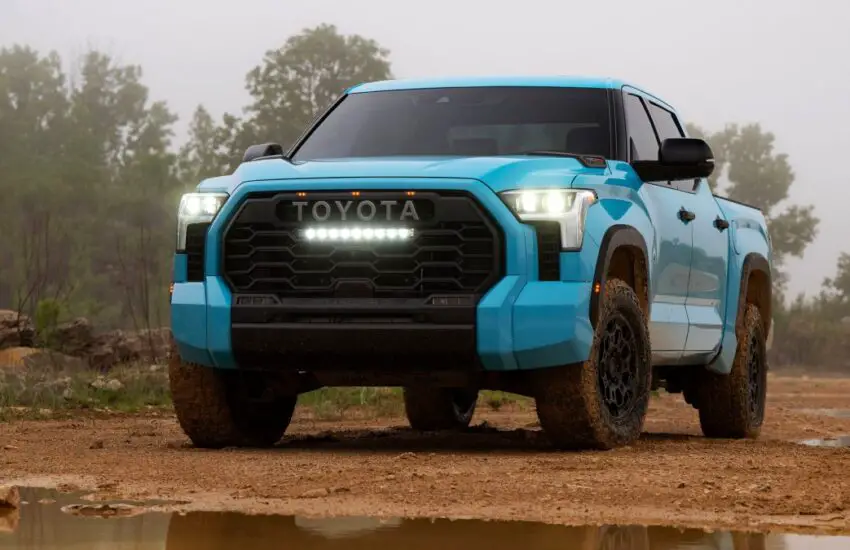
A Strategic Reversal for Toyota
In a notable shift in its global strategy, Toyota Motor Corporation has confirmed plans to begin exporting key models manufactured in the United States to the Japanese market. Starting in 2026, the American-built Toyota Tundra pickup, Camry sedan, and Highlander SUV will be available for purchase in Japan. This move marks a significant reversal of the traditional automotive trade flow between the two nations.
Capitalizing on American Manufacturing and Demand
The decision is driven by several strategic factors. Primarily, Toyota aims to leverage the robust production capacity and expertise of its North American plants. The Kentucky facility, a cornerstone for Camry production, and the Indiana plant responsible for the Highlander and Sequoia, represent some of Toyota’s most advanced manufacturing operations globally. Exporting from these centers allows for optimal utilization of resources. Furthermore, the immense popularity of large vehicles like the Tundra and three-row Highlander in the U.S. market has led to highly refined products tailored for demanding consumers, which Toyota believes will appeal to specific segments in Japan.
Addressing Market Trends and Production Efficiency
This export initiative also responds to evolving market dynamics within Japan. While domestic demand for sedans has softened, the Camry retains a strong reputation for quality and reliability. Introducing the U.S.-built model offers a refreshed option without retooling Japanese lines. More significantly, it allows Toyota to efficiently satisfy niche demand for full-size pickup trucks and large SUVs, categories that are produced at scale in North America but would be inefficient to manufacture locally in Japan for a limited audience.
By implementing this cross-Pacific export plan, Toyota is not only optimizing its global production network but also testing new market strategies. It demonstrates a flexible approach to regional strengths, using American manufacturing prowess to serve its home market. This calculated move could set a precedent for how global automakers balance production and distribution in an increasingly interconnected industry.