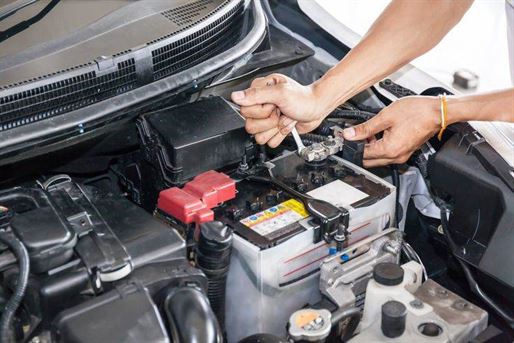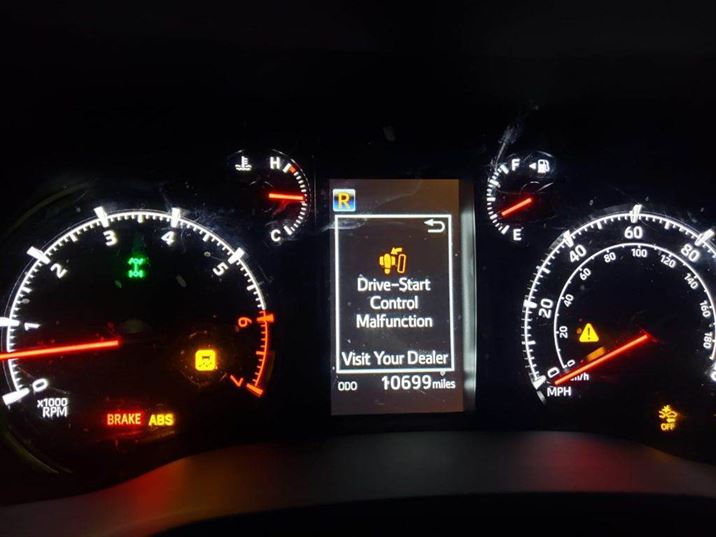
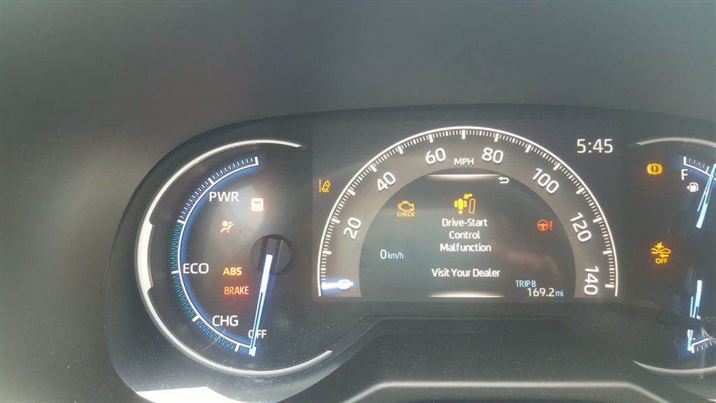
Launch Control (DSC) is a key innovation by Toyota to prevent accidents related to harsh accelerator use or incorrect gear shifting. Learn how to identify and fix its malfunctions.
What is Launch Control (DSC)?
The DSC regulates engine power during an inappropriate gear shift under acceleration. For example, if you shift from reverse to drive without releasing the accelerator in a parking lot, the system automatically reduces power to prevent sudden acceleration.
- Operation: The ECU (Engine Control Unit) analyzes speed, pedal position, and engaged gear. If a risk is detected, it limits engine torque.
- Affected Models: Mainly recent Toyotas with automatic or CVT transmissions (e.g., Corolla, RAV4, Prius).
Symptoms of a Failing DSC
Erratic Behavior: Jerking, skidding, or instability in turns.
Warning Light: A ⚠️ or “DSC” symbol appears on the dashboard.
Starting Issues: The vehicle struggles to start or stalls.
Loss of Power: Weak acceleration, even with the pedal fully pressed.
Launch Control Malfunction: Common Reasons.
5 Main Causes of Malfunction
| Cause | Explanation | Impact |
|---|---|---|
| Faulty ECU | The engine control unit does not process sensor data correctly. | Errors in DSC and engine control. |
| Failed Ignition Coil | A faulty coil causes misfires, disrupting the ECU. | Flashing engine light, loss of power. |
| Blown Fuse | A fuse related to the DSC or ECU interrupts the electrical circuit. | DSC inactive, electrical equipment out of service. |
| Dirty ABS Sensor | Dirt blocks the wheel speed signal. | ABS disabled, DSC ineffective. |
| Weak Battery | Insufficient voltage disrupts electronic systems. | Hard starting, random malfunctions. |
Step-by-Step Solutions
1. Clean the ABS Sensor
- Tools: Microfiber cloth, electronic cleaner.
- Steps:
- Remove the sensor (usually near the wheels).
- Clean gently without water.
- Reinstall and test the system.
2. Check Wiring and Fuses
- DSC Fuse: Consult the manual to locate the fuse (often in the fuse box under the hood). Replace if blown (cost: €5-10).
- Wiring: Inspect ECU and DSC connectors for broken or corroded wires.
3. Diagnose the ECU and Ignition Coil
- OBD2 Scanner: Use a tool like Toyota Techstream to read error codes (e.g., P0351 for a faulty coil).
- Coil Test: Measure resistance (expected: 0.5–2 Ω primary, 6,000–10,000 Ω secondary).
4. Replace the Battery
- Test: A good battery shows 12.6 V with the engine off.
- Recommended Models: Panasonic, Bosch (4-year warranty).
Repair Costs
| Intervention | Price (€) |
|---|---|
| Fuse replacement | 5–20 |
| ABS sensor cleaning | 50–100 |
| Ignition coil | 80–200 |
| New battery | 100–300 |
| ECU diagnostic | 80–150 |
FAQ
Q: Can the DSC completely disable the engine?
A: No, it only limits power. Stalling suggests another issue (e.g., coil, battery).
Q: How to reset the DSC warning light?
A: Use an OBD2 scanner or disconnect the battery for 15 minutes. If the light returns, consult a mechanic.
Prevention
- Regular Maintenance: Check spark plugs, battery, and levels every 20,000 km.
- Smooth Driving: Avoid harsh gear changes.
In Summary: A failing DSC compromises your safety. Act as soon as the warning light appears by checking fuses, sensors, and battery. For complex issues (ECU, coils), consult an authorized Toyota garage.