
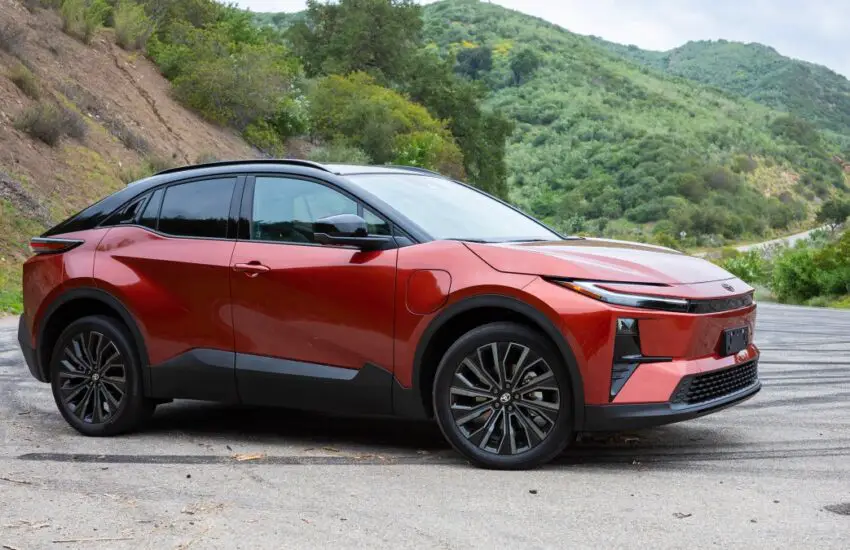
The Return of an Icon, Electrified
After a four-year hiatus from the North American market, the Toyota C-HR makes a dramatic comeback, this time as a fully electric vehicle. This new generation retains the distinctive, raised coupé-crossover silhouette that defined its predecessor but is now powered by a sophisticated all-electric drivetrain. Priced competitively, the 2026 C-HR EV aims to challenge perceptions of what an entry-level electric crossover can deliver.
Performance That Defies Expectations
The most startling aspect of the new C-HR EV is its standard powertrain configuration. Toyota has equipped this model with standard all-wheel drive, courtesy of a dual-motor setup. This system generates a combined 338 horsepower and 323 lb-ft of torque. This represents a monumental 130% increase in power over the previous combustion-engine model, transforming the driving experience entirely.
Behind the wheel, the surge of instant electric torque provides brisk acceleration, while the standard AWD instills confidence in various road conditions. The vehicle’s handling is surprisingly agile for a crossover, with a well-tuned suspension that manages to balance comfort and composure.
Design and Practicality
Visually, the 2026 iteration evolves the C-HR’s bold styling with sharper lines and modern EV-specific cues, such as a sealed-off front grille area and aerodynamic enhancements. The cabin focuses on a driver-centric layout with upgraded materials and the latest iteration of Toyota’s multimedia system. While the sloping roofline impacts rear headroom, the crossover offers practical cargo space for its segment.
This electric reboot positions the Toyota C-HR as a compelling option for drivers seeking an engaging, stylish, and well-equipped electric vehicle without venturing into the luxury price bracket. Its combination of standard high performance and distinctive design makes it a noteworthy contender in the growing compact EV market.