
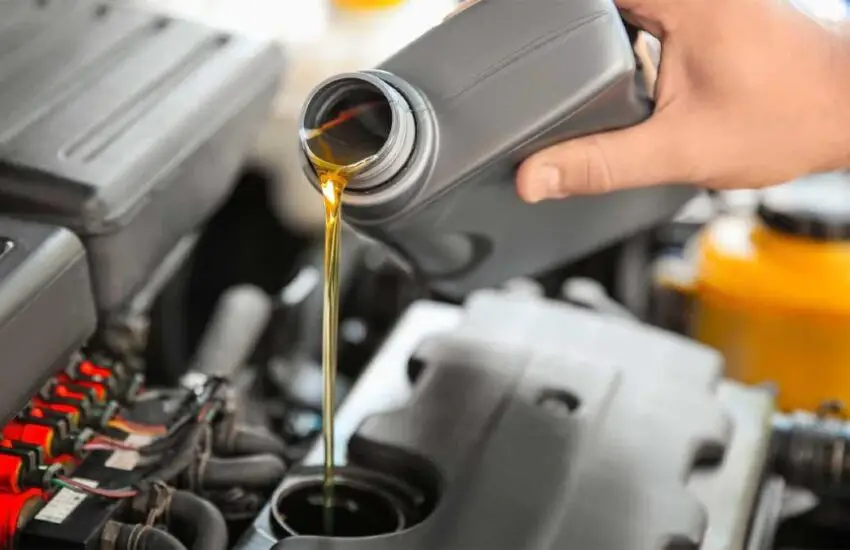
Many people may know that your engine oil’s role is to lubricate engine parts and prevent engine overheating, but always neglect routine oil changes. Skipping regular oil changes may not seem serious, but it will make the engine less efficient, which will harm performance, power, and mileage as well as your delicate engine’s longevity.
Note that relying solely on mileage to schedule an oil change is not enough, as the oil can become contaminated well before those marks and cause permanent engine damage. Learn the signs that you need an oil change to know in time when to change the oil to guarantee optimal engine performance and lifespan.
Why You Need to Change Oil Regularly
The Role of Engine Oil
A general rule is that anything that creates friction in your vehicle’s engine or any mechanical element will harm engine performance and energy efficiency. That’s where engine oil comes in. Engine oil helps absorb the engine’s heat and lubricates the moving metal parts that would otherwise grind together, thus ensuring proper operation and further preventing engine overheating.
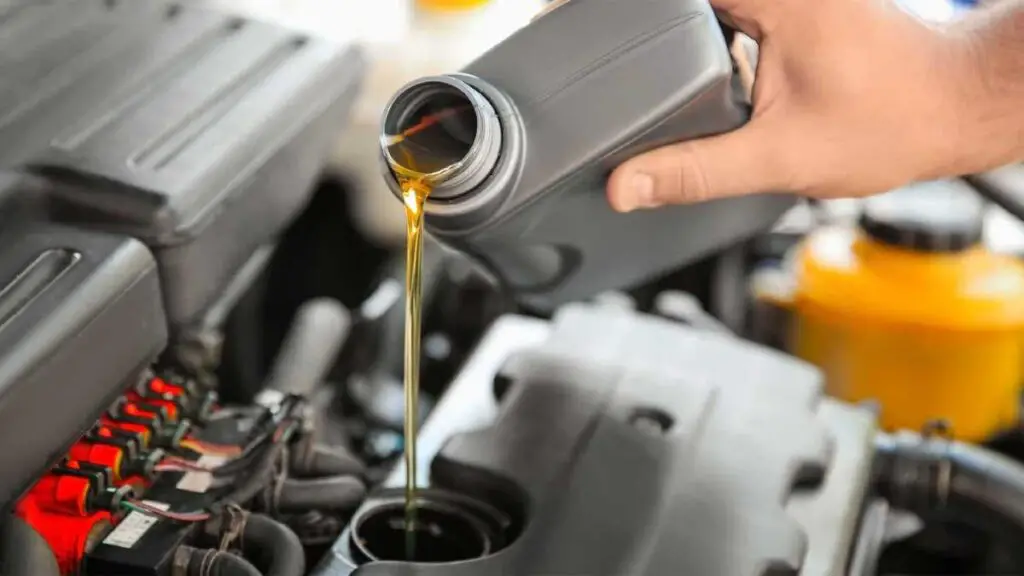
That’s why it’s important to change all your truck’s fluids on time to ensure it’s always in perfect condition. Lubricating your engine parts with good engine oil and changing the oil regularly helps optimize engine performance, power, and mileage. Regular oil changes reduce engine wear and extend the car engine’s lifespan. It can even make your high-mileage car run longer. Furthermore, clean, quality oil allows the engine to run cleaner, which will reduce exhaust emissions.
How Oil Gets Dirty
Over time, all types of engine oil, even the highest qualities, become contaminated with dirt and carbon, which can lead to excessive engine wear. There’s certainly the oil filter that catches the deposits that accumulate over time to keep the oil clean and smooth. However, as the oil ages, the amount of deposits in the oil can be excessive, and the filter may not be able to extract everything.
Recommended Oil Change Interval
You can check the recommended oil change interval for your car in the owner’s manual. The recommended interval for an oil change is about every 3,000 to 5,000 miles, before winter, or whenever your manufacturer recommends it. Also consider checking the engine oil level once every two weeks and before any long trip.
However, as mentioned above, relying solely on these fixed mileage intervals is not reliable, and you should look for various signs that you need an oil change.
Switching from Traditional Oil to Synthetic Oil
While traditional, cheaper non-synthetic oil needs to be changed every 3,000 to 5,000 miles, synthetic oils can last between 5,000 and 10,000 miles between oil changes. They create better lubrication between moving parts, thus better preventing engine overheating. They also perform better and do not deteriorate in high-heat and high-stress situations.
Synthetic oils also offer much better performance in cold weather, whereas non-synthetic oils would become too thick to do their job properly, while providing excellent protection at extreme temperatures. Some synthetic oil brands are specially designed to be more robust in terms of deposit protection, cold-weather pumpability, and high-heat stability.
Overall, they are better food for your engine and will help keep your engine healthier and more efficient longer. The only major drawback of synthetic oil is that it is significantly more expensive, typically twice as much as conventional oil of equivalent viscosity.
Preventing Oil from Thickening
Engine oil thickens in winter, making the pump work harder, it won’t circulate efficiently, and will thus directly chase away your engine’s performance and mileage.
One solution is to switch entirely to a lighter oil if you live in consistently cold climates or when winterizing your vehicle before winter arrives. It is recommended to switch to a 0W30 or 0W40 oil to speed up oil flow in below-freezing conditions.
Switching from a thick 20W50 to a thinner 5W30 will make a noticeable difference in terms of responsiveness. For most light trucks, 10W30 should be a good compromise, but consult your owner’s manual for factory recommendations. Even if you cannot use lighter oil, regular oil changes will prevent your oil from thickening excessively over time.
Also remember that you will likely need a thicker oil if you are hauling or towing a mobile home behind. That said, consult your owner’s manual and always follow your manufacturer’s recommendations. Because unless you are frequently towing or hauling, thicker viscosity oils might not be necessary for your vehicle.
The Consequences of a Delayed Oil Change
It depends on how long you’ve delayed the change. All vehicles come with a number provided by the manufacturer that indicates how many miles you can expect your oil to last. However, it often refers to the lowest miles you can safely drive without changing the oil.
So, there’s nothing to fear if you drive a little more than the recommended miles. However, if you’ve been overdue for a long time, that old oil can cause serious, permanent damage to various engine parts and lead you to costly repairs and replacements.
If you skip a regular oil change, your engine will run less efficiently, and it can lead to engine overheating, as the oil can no longer properly lubricate the parts to prevent them from heating up. Consequently, you will encounter one or more abnormalities, including deteriorated performance and energy efficiency, increased emissions, and starting problems.
7 Signs You Need an Oil Change
Dark and Dirty Oil
Fresh oil keeps the engine healthy by lubricating all the parts and helping them move smoothly. However, the older it gets, the more its molecules break down and create problems for the vehicle.
How to tell if engine oil is bad? The oil’s color and smell can be signs that you need an oil change. Fresh oil has an amber color. However, it becomes black and greasy after collecting dirt and particles from the engine parts. It’s best to check the oil every month to see if it has changed color. You should know the original color of the oil you use, and even better its smell, to facilitate your car’s long-term maintenance.
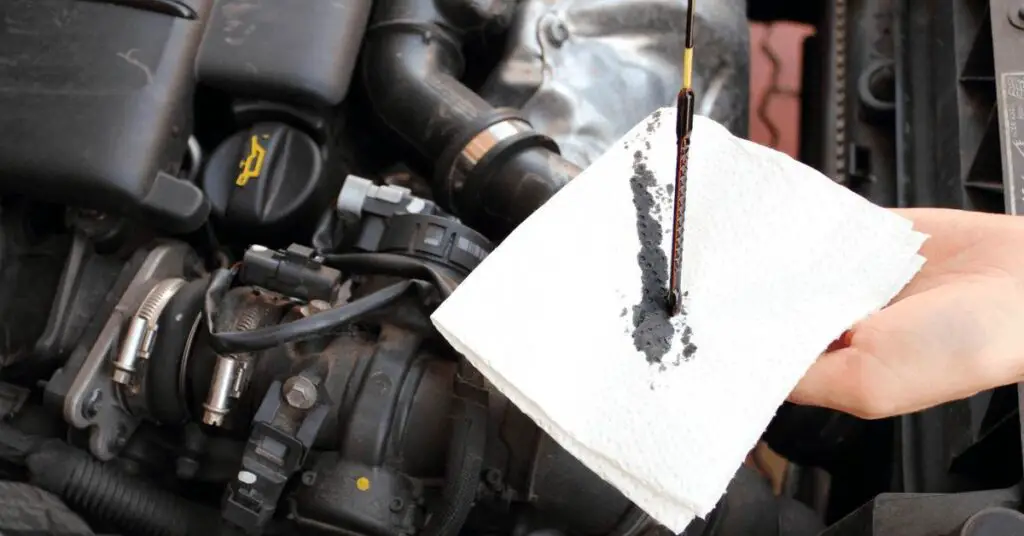
Pull out the dipstick, wipe it with a cloth, and insert it back into the cylinder. Remove it and check the oil’s color. Rub it on a white paper towel to be sure. If the color is dark red or very dark to almost look black, then the oil is quite old. If you’re still unsure, another telltale sign that you need an oil change is if the oil smells burnt when you sniff that dipstick.
An important note, however, because a common confusion is how dark is considered “dark.” All engine oil becomes darker as it goes through engines, and in some cases, oil can become noticeably darker in a short time or almost immediately, so relying solely on color is not always a reliable sign that you need an oil change.
A helpful tip is to also check the consistency whenever you inspect your oil level. Over time, oil can pick up grime and dirt, and all those small particles will make the fluid less smooth and more gritty. If your oil has a lot of grit, it’s a certain sign that you need an oil change.
*Note: Sometimes you might notice that the engine oil color is somewhat milky or creamy. Well, that indicates that the oil contains water. It could be engine coolant getting into the oil due to a leaking head gasket. This also happens when you drive short distances and the engine cannot produce enough heat to burn off that water. Instead, it creates water vapor, which mixes with the oil.
Thus, a creamy engine oil color doesn’t necessarily need to be replaced if it’s due to short trips. You just need to drive the engine enough so that those water vapors can evaporate.
Loud Engine Noise
Fresh oil creates a thin shield between engine parts to protect them from friction and keep the engine quiet while driving. Thus, any strange noise coming from under the hood is a sign that you need an oil change, and you should schedule a car oil change with a mechanic as soon as possible.
However, heat and other engine conditions break down the lubricant, causing engine parts to create a knocking or rattling noise when the car is moving.
You might also hear a ticking noise while your engine is warming up. This is because as soon as you start your vehicle, the oil is immediately circulated to lubricate the engine. If the engine oil is old and is no longer smooth but gritty with contaminants, the oil won’t do its job properly and won’t move as freely through the system. This ticking noise comes from the valves having to work very hard just to circulate the oil effectively.
Shaking at Idle
Without proper lubrication, your engine won’t run as well, so the high level of friction present in your engine can cause abnormal vibrations or shaking movements at idle. If you notice this issue, it’s best to avoid idling as much as possible until you can get your oil changed.
Exhaust Smoke
Sometimes, a thin white vapor comes out of the exhaust pipe in cold weather, which is normal and disappears when your engine warms up, so it’s not a cause for concern. However, if it’s actual smoke, check the oil level as well as its color and texture. You shouldn’t see anything coming out of your exhaust pipe, and when you do, it’s a sure sign that something is wrong, including contaminated engine oil.
That said, if you see thick white smoke from your exhaust, the reason could be an oil leak or faulty engine parts like cracked head gaskets, which would mean a very costly, lengthy, and inconvenient inspection and replacement, so you should take your vehicle to a repair shop to have it checked.
Smell of Oil Inside the Vehicle
This should never happen. If it does, it could mean engine overheating or an oil leak. As this can lead to a serious problem, take your car to a service center immediately and opt for an oil change.
Lower Fuel Economy Than Usual
As above, quality, contaminant-free engine oil allows the engine to run at optimal efficiency, and the direct result of that is better mileage. Therefore, one of the obvious signs that you need an oil change is decreased fuel economy. If after a long trip, you notice your car is suddenly using much more fuel than usual, you should expect to get your oil changed as soon as possible.
Oil Change Light or Check Engine Light Comes On
Another sign that you need an oil change is the oil change light coming on. The dashboard has an oil change light that illuminates when the oil level is too low in the system. Once you see the light, use the dipstick to check the level and change it if it’s insufficient.
Note that if your car doesn’t have an oil change light or if your oil problem is very severe, the Check Engine light may come on on your dashboard. Of course, various mechanical issues can trigger this, so if this light comes on, it’s best to have a mechanic perform an inspection to determine if the old oil is the only culprit, or if something else triggered this light.
The general rule is to get the car’s oil changed every 3,000 miles or every three months, whichever comes first. However, you can extend it to 6,000 miles or six months if your vehicle is new. Remember that changing your engine oil is a simple but most helpful service you can provide to your automobile. Doing it regularly will keep your car in good condition and extend its lifespan.