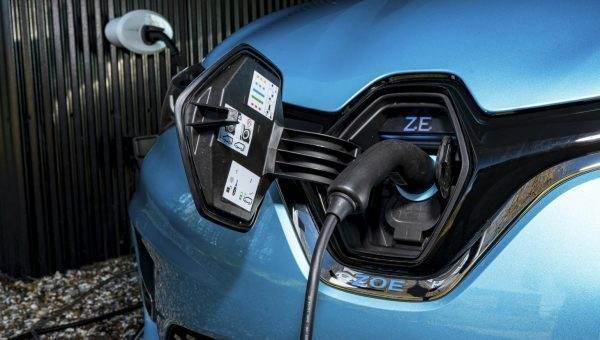

When electric vehicles are the topic, one specification that is regularly cited is the overall range. Its importance is partly due to early electric vehicles that had a range of less than 100 miles, but it is also referenced to show how far modern electric vehicles can travel – on par with gasoline vehicles in some cases. It’s an important specification – especially for someone whose only car may be an electric vehicle – but there is another important data point to consider, and that is overall efficiency.
Even the most inefficient electric vehicles are more efficient than the most efficient gasoline-electric hybrids when evaluated using the EPA’s mpge rating, which is an effort to represent the efficiency of electric vehicles in terms familiar to buyers, where higher numbers are better. At the time of publication, the least efficient electric vehicle of the 2022 model year is the Audi E-Tron S, which is rated at 62/64/63 mpge city/highway/combined. The most efficient hybrid is the 2022 Hyundai Ioniq Blue, which is rated at 58/60/59 mpg.
But just as there are large differences in efficiency between some gasoline vehicles, there are also significant differences between electric vehicles. And beyond the same benefits that come with a more efficient gasoline vehicle – using less (and spending less money on) energy – the most efficient electric vehicles also replenish miles of range faster when charging than the less efficient ones, all other things being equal.
Taking the E-Tron S again, it uses 53 kilowatt-hours of energy to travel 100 miles, according to the EPA. The most efficient electric vehicle of the 2022 model year, the rear-wheel drive Tesla Model 3, uses 25 kWh, less than half the amount of energy. The E-Tron S has a higher-capacity onboard charger than the RWD Model 3 – 9.6 kilowatts versus 7.6 – but if both vehicles were charged at 7.6 kW, it would take about 7 hours to add 100 miles of range to the E-Tron S and just under 3.5 hours to add the same amount of range to the Model 3. Charging at the E-Tron S’s maximum rate of 9.6 kW, it would still take 5.5 hours to add 100 miles of range.
The E-Tron S is larger than the Model 3, but you will find that the specifications reveal substantial efficiency differences between models in the same class.
This same type of analysis can also be applied to gasoline vehicles, as the EPA provides data in gallons per 100 miles. However, the high speed at which a gasoline tank can be refilled, with the difference between adding 10 gallons or 20 gallons measured in minutes versus hours, makes any time savings from choosing a more efficient gasoline vehicle less significant.
The following list highlights the 10 most efficient electric vehicles of the 2022 model year. When multiple versions of a given model are eligible, we have selected the most efficient version. Energy consumption, combined efficiency, and range are EPA estimated figures. Prices do not include available local, state, or federal incentives.
Most Efficient Electric Vehicles (Energy Consumption per 100 Miles)
1. 2022 Tesla Model 3 RWD: 25 kWh
2. 2022 Lucid Air Grand Touring with 19-inch wheels: 26 kWh
3. 2022 Chevrolet Bolt EV: 28 kWh
4. 2022 Hyundai Kona Electric: 28 kWh
5. 2022 Tesla Model S: 28 kWh
6. 2022 Tesla Model Y Long Range: 28 kWh
7. 2022 Chevrolet Bolt EUV: 29 kWh
8. 2022 Kia EV6 RWD: 29 kWh
9. 2022 Hyundai Ioniq 5 RWD: 30 kWh
10. 2022 Kia Niro Electric: 30 kWh
2022 Tesla Model 3 RWD
Energy Consumption: 25 kWh/100 miles
Combined Efficiency: 132 mpge
Price: $46,190, including $1,200 destination fee
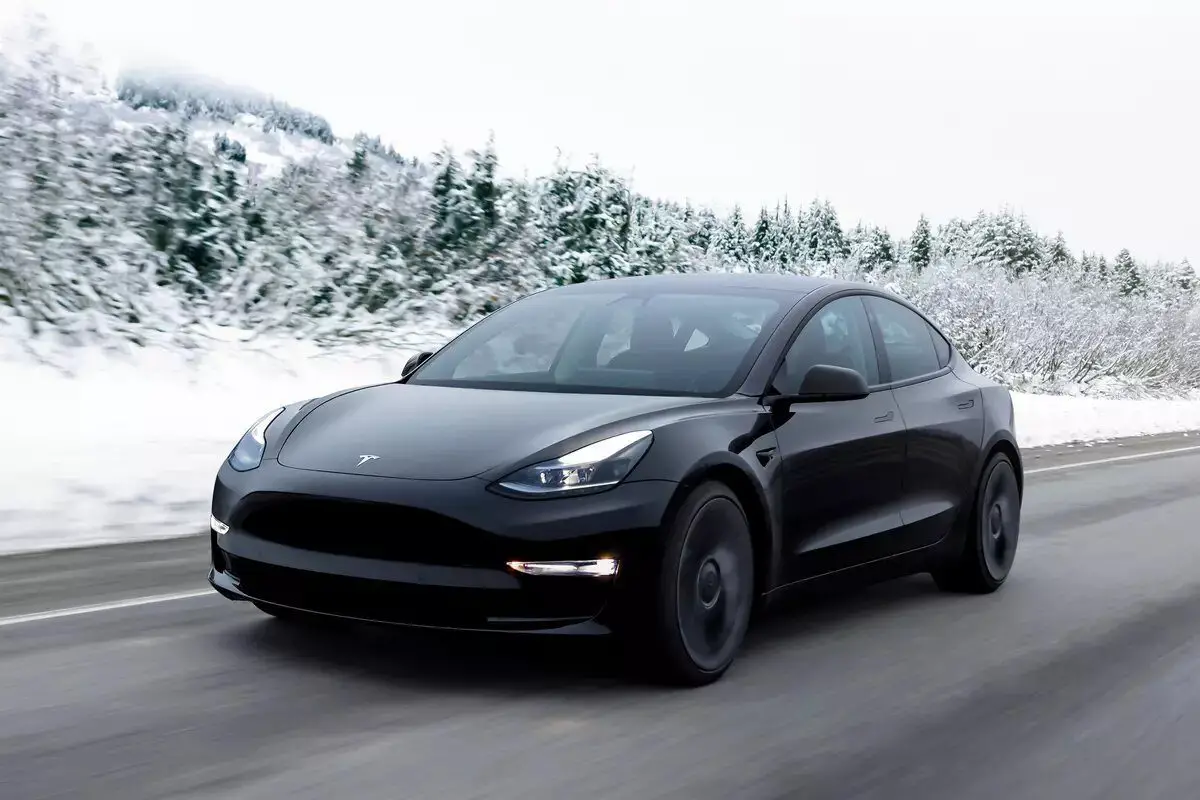
The standard-range rear-wheel drive Tesla Model 3 compact sedan is the most efficient electric vehicle of 2022, with a rated energy consumption of 25 kWh per 100 miles. Its 272-mile range is the shortest in the Model 3 lineup, but the all-wheel drive long-range Model 3 is almost as efficient; it uses 26 kWh per 100 miles and gets a significant range increase to 358 miles. It’s also $6,000 more, however.
2022 Lucid Air Grand Touring With 19-Inch Wheels
Energy Consumption: 26 kWh/100 miles
Combined Efficiency: 131 mpge
Price: $139,000, excluding destination
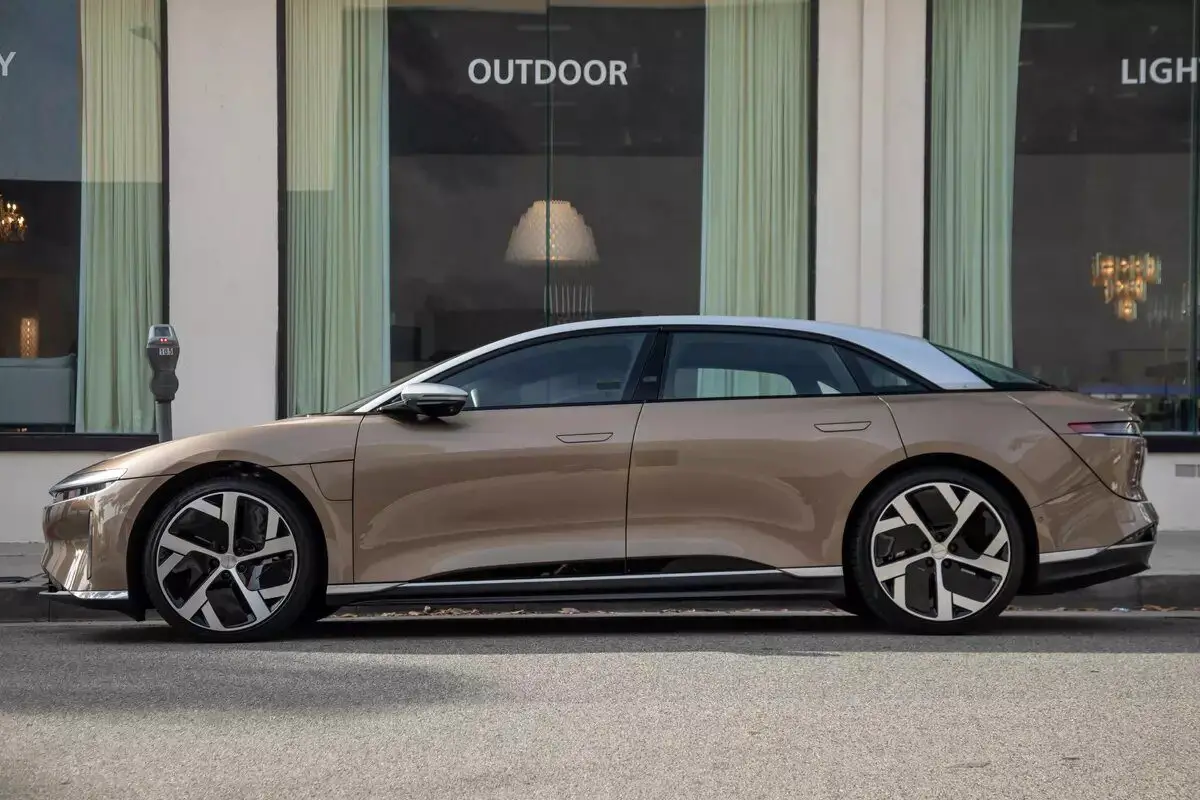
The Lucid Air is a brand-new luxury sedan from a brand-new electric vehicle brand. With an energy consumption of 26 kWh per 100 miles, it is almost as efficient as the most efficient Model 3, but the Air’s 516-mile range is almost double that of the Tesla. Of course, the Air is also three times more expensive.
2022 Chevrolet Bolt EV
Energy Consumption: 28 kWh/100 miles
Combined Efficiency: 120 mpge
Price: $32,495, including $995 destination
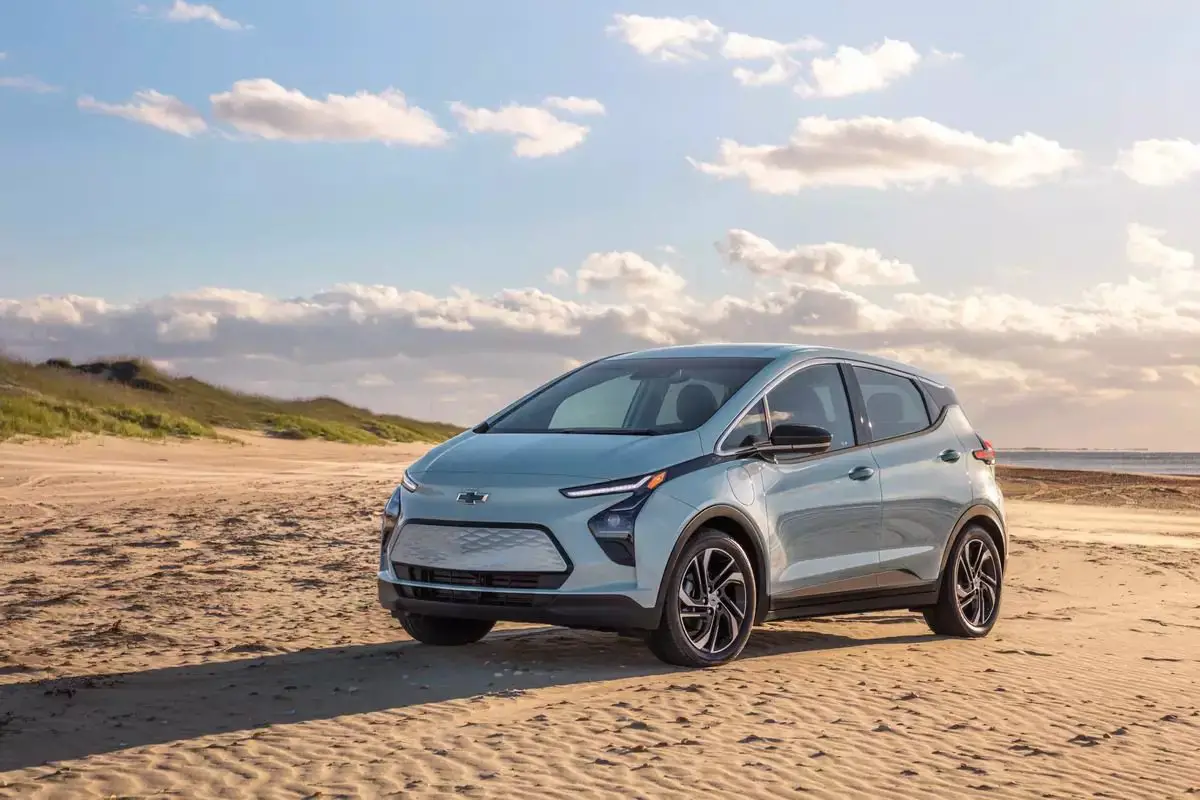
Chevrolet refreshed its Bolt EV sedan for 2022, but the vehicle’s debut was overshadowed by a series of recalls to address a fire risk with the car’s battery. Production of the Bolt EV is expected to resume soon, and the sedan remains one of the most efficient EVs you can buy; it uses 28 kWh of energy per 100 miles, and its overall range is a decent 259 miles. With a starting price of $32,495 including destination, it is also the most affordable electric vehicle on this list.
2022 Hyundai Kona Electric
Energy Consumption: 28 kWh/100 miles
Combined Efficiency: 120 mpge
Price: $35,245, including $1,245 destination
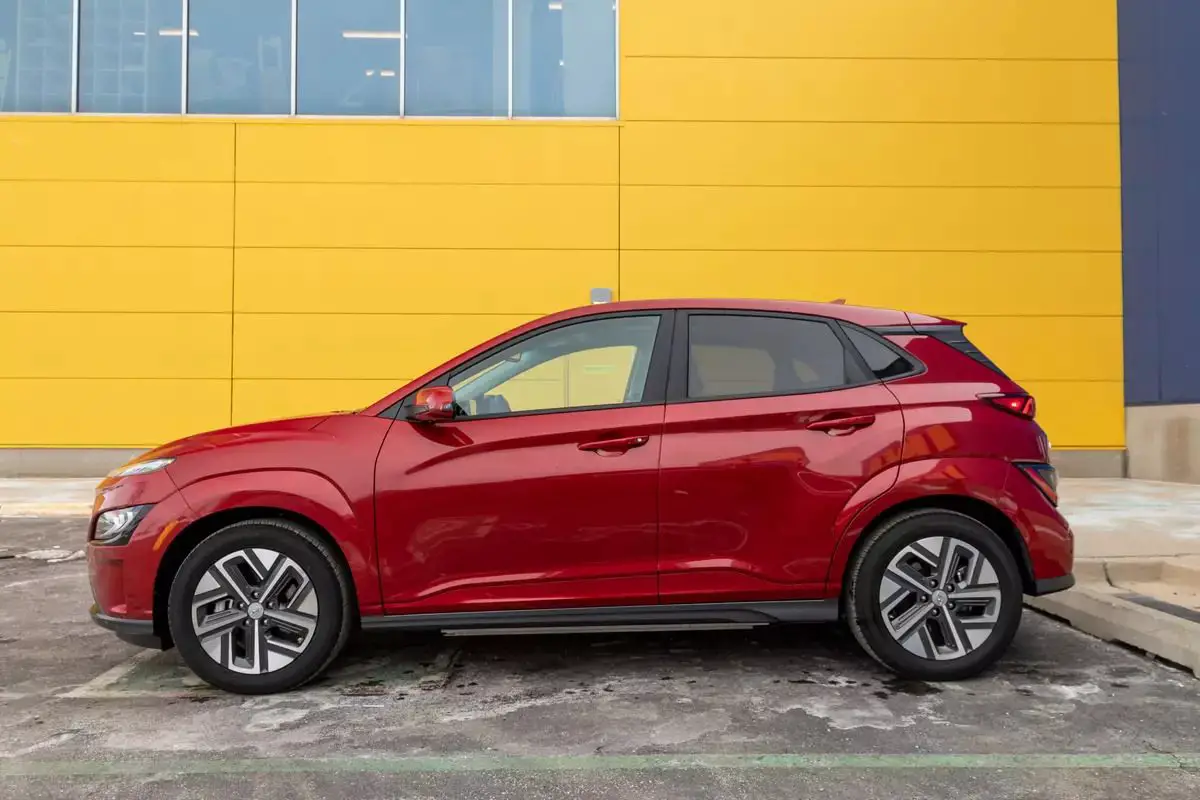
The Kona EV is a subcompact SUV, but unlike the gasoline-engine Kona, which is equipped with front-wheel drive or AWD, the Kona EV is only available with FWD. It is rated at 28 kWh per 100 miles and has a range of 258 miles.
2022 Tesla Model S
Energy Consumption: 28 kWh/100 miles
Combined Efficiency: 120 mpge
Price: $96,190, including $1,200 destination
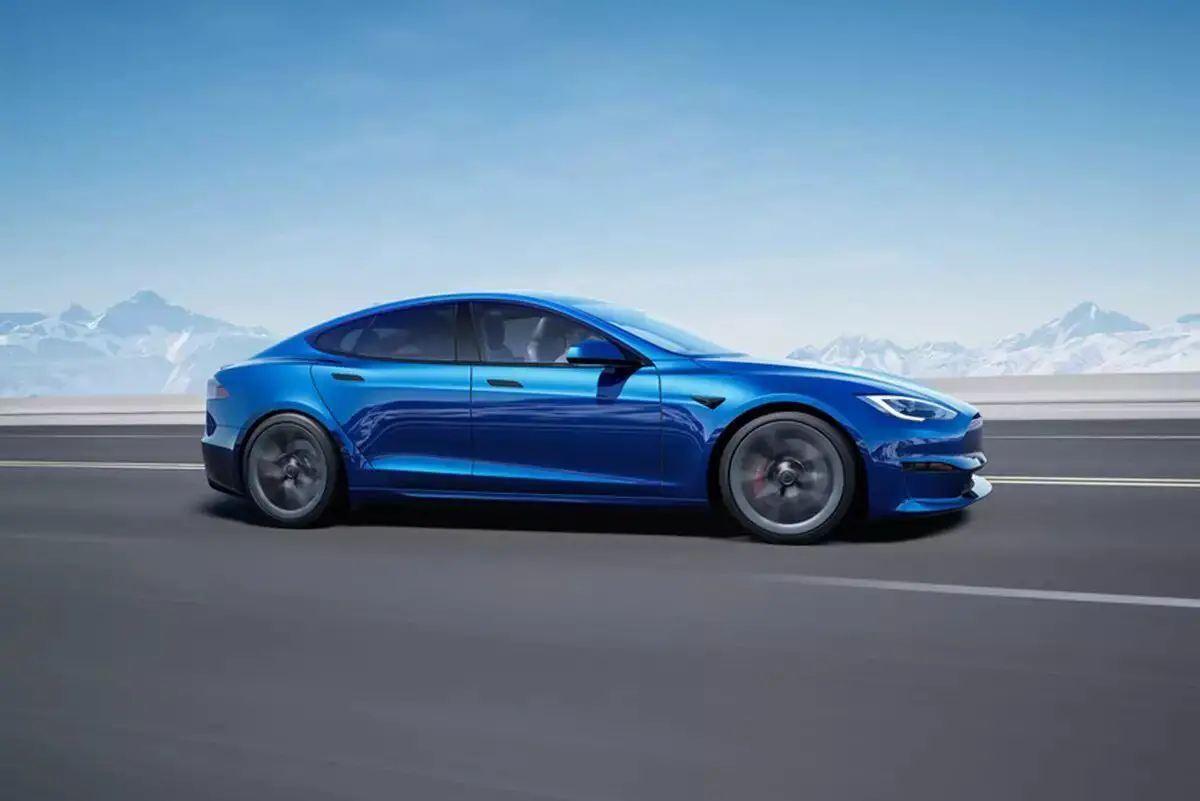
The Model S debuted as a 2012 model, and Tesla has steadily improved the luxury sedan’s efficiency since then, reducing the amount of energy needed to travel 100 miles from 38 kWh in 2012 to 28 kWh in 2022. There have been other changes as well, including a redesigned interior for 2021 that features an all-new dashboard layout and a steering yoke instead of a traditional steering wheel. This version of the Model S offers a range of 405 miles.
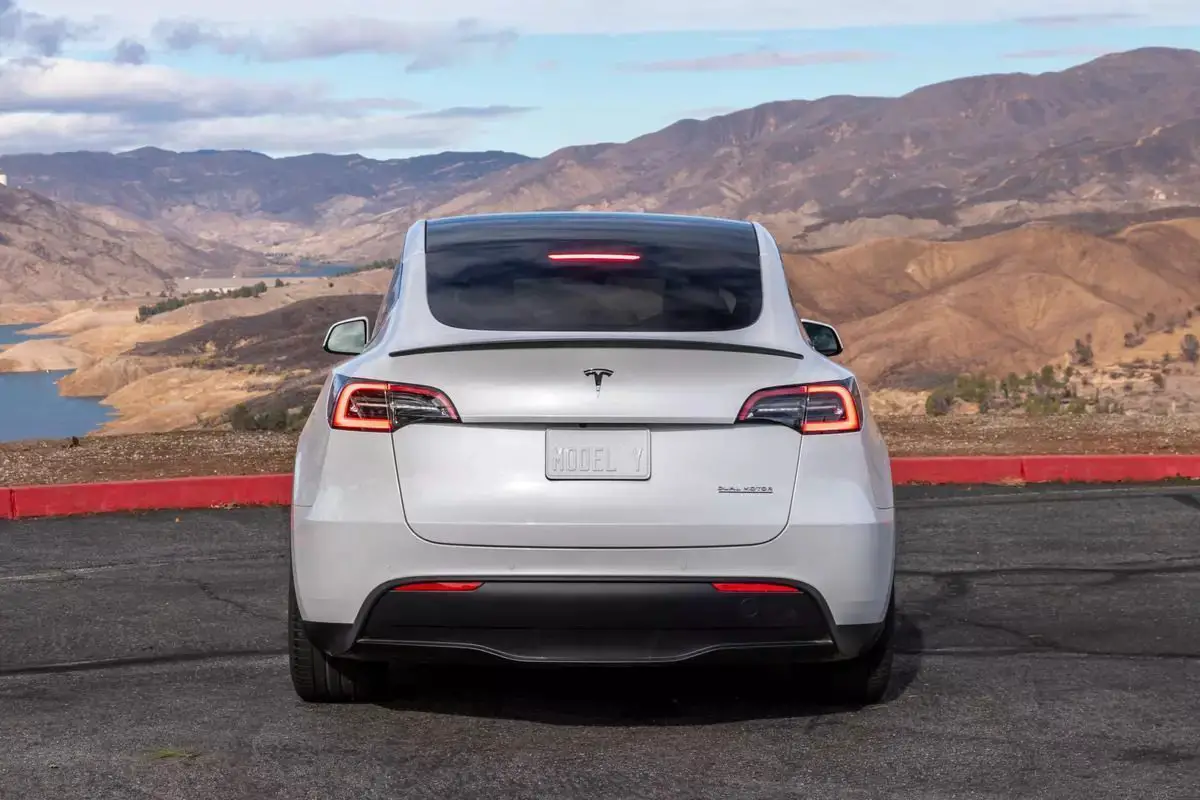
2022 Tesla Model Y Long Range
Energy Consumption: 28 kWh/100 miles
Combined Efficiency: 122 mpge
Price: $60,190, including $1,200 destination