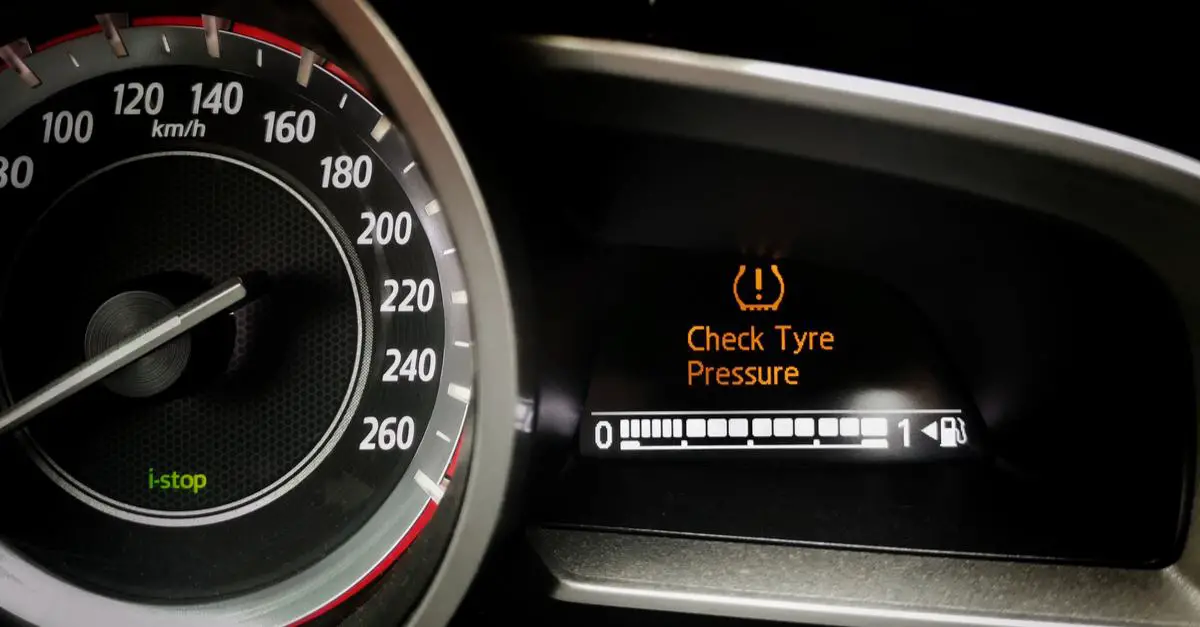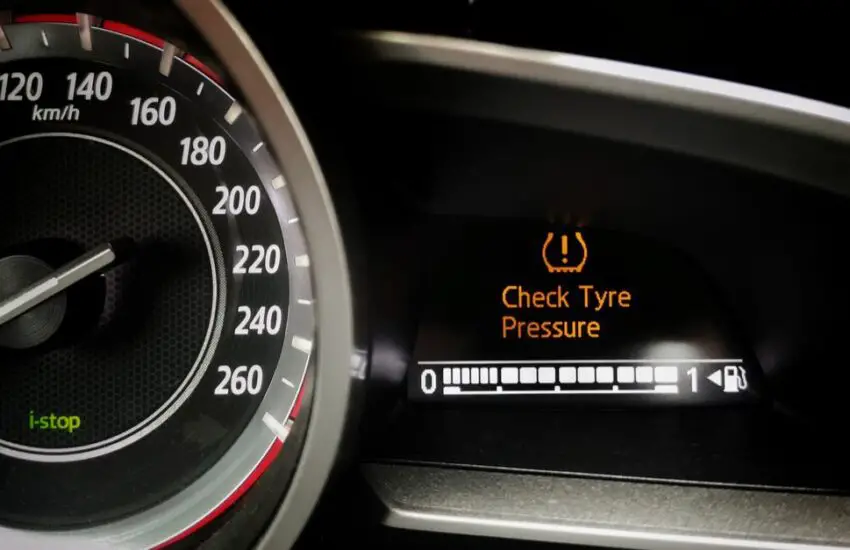
The tire pressure warning light, often symbolized by an exclamation point inside a circle or a tire with waves, illuminates on your dashboard to alert you to a drop in air pressure in one or more of your tires. It is crucial not to ignore this warning, as driving with underinflated tires can pose serious dangers.
What does the illuminated warning light mean?
When the tire pressure warning light comes on, it means that the pressure in at least one of your tires is 25% below the manufacturer’s recommended pressure. This can be caused by several factors, such as:
- A slow puncture
- An air leak due to a faulty valve
- A natural pressure drop due to ambient temperature
- A tire that was underinflated from the start
Risks associated with driving on underinflated tires
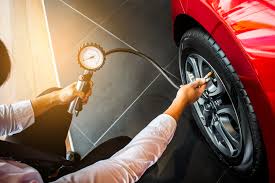
Driving with underinflated tires can have serious consequences for your vehicle’s safety and performance:
- Increased risk of hydroplaning: Underinflated tires have poorer grip on wet roads, increasing the risk of losing control of the vehicle.
- Premature tire wear: Underinflated tires wear out more quickly, representing an additional cost for you.
- Reduced vehicle performance: Underinflated tires can reduce your vehicle’s energy efficiency and affect its handling.
- Risk of blowout: In extreme cases, an underinflated tire can burst, which can lead to a serious accident.
What to do if the tire pressure warning light comes on?
Here are the steps to follow if the tire pressure warning light illuminates:
- Stop as soon as possible and check the pressure of all your tires using a pressure gauge.
- Inflate the tires to the recommended pressure by the manufacturer. You can find this information in your vehicle’s owner’s manual or on the tire pressure information label, usually located on the driver’s side door jamb.
- If the light remains on after reinflating the tires, there may be a more serious problem. In this case, it is important to have your vehicle inspected by a professional.
Tips for maintaining tire pressure
To avoid the dangers associated with underinflated tires, it is important to check your tire pressure regularly, at least once a month. You can also install a Tire Pressure Monitoring System (TPMS) that will automatically alert you in case of a pressure drop.
By following these simple tips, you can help ensure your safety and that of your passengers on the road.
In summary
The tire pressure warning light is an important safety feature. Never ignore it and take the necessary steps to correct the situation as soon as it comes on. By maintaining your tire pressure at an adequate level, you can improve your vehicle’s safety, performance, and longevity.
Tire Pressure Warning Light: How to Reset It?
The tire pressure warning light comes on when one or more of your vehicle’s tires are underinflated. It is important to reset it after you have reinflated your tires to the proper pressure.
Reset Methods
The method for resetting the tire pressure warning light depends on the make and model of your vehicle. Here are the three most common methods:
1. Reset Button
- Most modern vehicles have a specific reset button for the tire pressure warning light. This button is usually located under the dashboard, near the steering wheel.
- To reset the light, press and hold the button for about 3 seconds.
- The light will flash several times to indicate that it has been reset.
2. On-Board Computer Menu
- Some vehicles allow you to reset the tire pressure warning light via the on-board computer menu.
- Consult your vehicle’s owner’s manual to learn how to access the on-board computer menu and find the tire pressure warning light reset option.
3. Diagnostic Tool
- If the two methods above do not work, you can use a diagnostic tool to reset the tire pressure warning light.
- These tools are available at auto repair shops and auto parts stores.
Tips
- Make sure to reinflate your tires to the proper pressure before resetting the light. The proper pressure is indicated in your vehicle’s owner’s manual.
- If the tire pressure warning light comes on again after you have reset it, there may be a problem with one or more of your tires. Have them checked by a professional.