
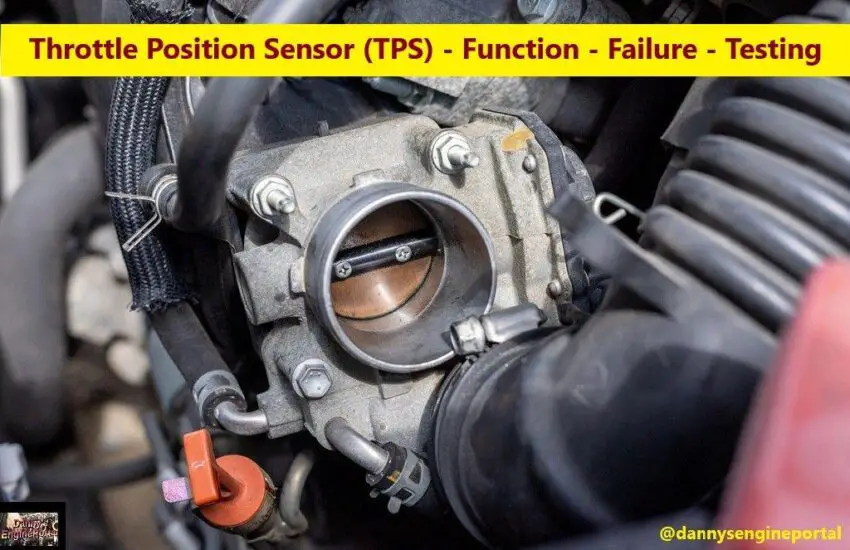
The throttle position sensor (TPS) has the primary function of providing essential information to the vehicle’s engine control unit (ECU). This crucial data is based on the actual position of the engine’s throttle valve.
Operation of the TPS Sensor
The TPS sensor continuously monitors the opening angle of the throttle valve. It transmits this information in real-time to the engine computer, thereby enabling precise regulation of the air-fuel mixture and ignition timing.
Symptoms of TPS Sensor Failure
A faulty TPS sensor can cause various problems: engine stalling, jerking during acceleration, increased fuel consumption, or even the vehicle entering limp mode.
TPS Sensor Testing Methods
The sensor can be tested using a digital multimeter. The output voltage should be checked, which must vary progressively during throttle opening, without interruptions or sudden jumps.
Diagnostic Procedure
Diagnosis begins by checking the sensor’s power supply and ground, then measuring the output signal at different throttle positions.