
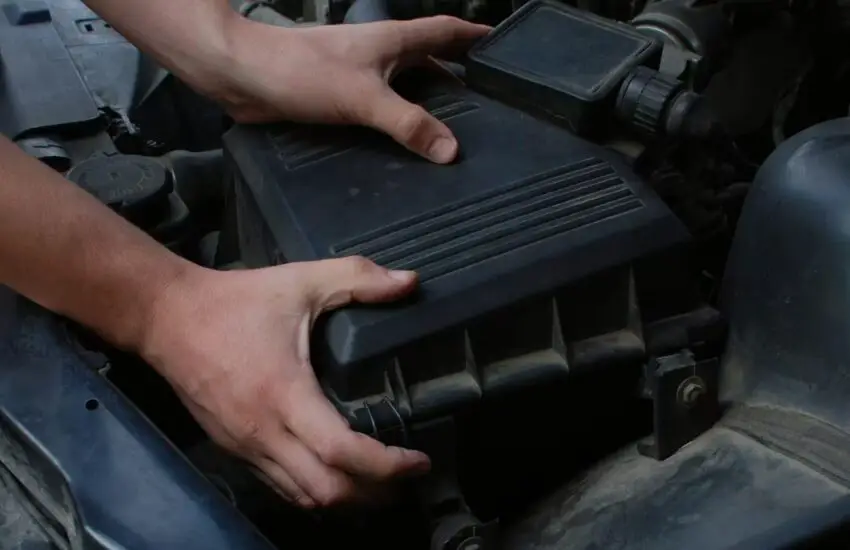
Your car’s engine combines both air and gasoline in the combustion chamber to create the power needed to move the vehicle. Air reaches the engine via the air filter, which prevents debris and dust from entering so the car engine can perform at its best. At the same time, the air filter must allow air to reach the engine to operate at optimal levels. However, over time, dirt and other contaminants clog the air filter, which affects the car’s performance. We will help you understand some apparent signs of a dirty car air filter and how to fix the problem.
How can I replace a dirty car air filter?
Most car manufacturers recommend changing the air filter every 10,000 to 15,000 miles or every 12 months. If you drive in heavily congested areas, you will need to stop and start more often, which will affect the air filter more. Remember: do not think that cleaning the air filter and the engine are the same thing.
1. What are the symptoms of a bad air filter in a car?
Many drivers often wonder what symptoms indicate that their vehicle is equipped with a faulty and dirty air filter. Below is a list of symptoms that will help you make the right decision about your car’s air filter. These symptoms are not solely due to a faulty air filter but may also indicate an underlying problem in the vehicle.
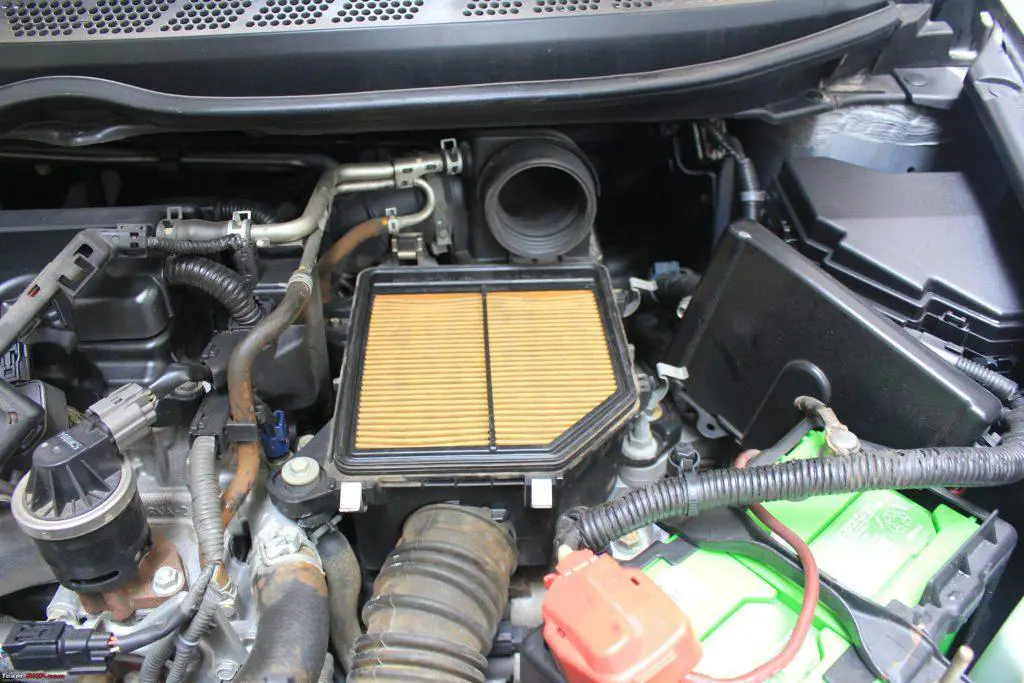
2. Reduced fuel consumption
A car’s engine always compensates for a lower amount of oxygen by consuming more fuel to produce enough power to move the vehicle. However, if you notice that gasoline consumption decreases every day, it is time to change the air filter. This mainly applies to carburetor cars manufactured before 1980. Carburetors mix air and fuel to generate energy for the internal combustion engine. You can browse online for the best car air filter maintenance tips.
3. Reduced power
One of the symptoms of a clogged air filter that causes the car to respond poorly with jerky movements when you press the accelerator is reduced power. This may indicate that the engine is not getting enough air to operate. Therefore, replacing the air filter would also help improve airflow and the vehicle’s power.
4. Engine misfires
Limited air supply due to a dirty air filter in the car will always result in unburned fuel exiting the engine as soot residue. The residue will then accumulate on the spark plug, which will not provide the necessary spark to ensure the combustion of the air-fuel mixture. You will quickly notice that the engine does not start but misfires and has sudden jerks. This is one of the important symptoms of a bad air filter, which affects engine performance.
In summary
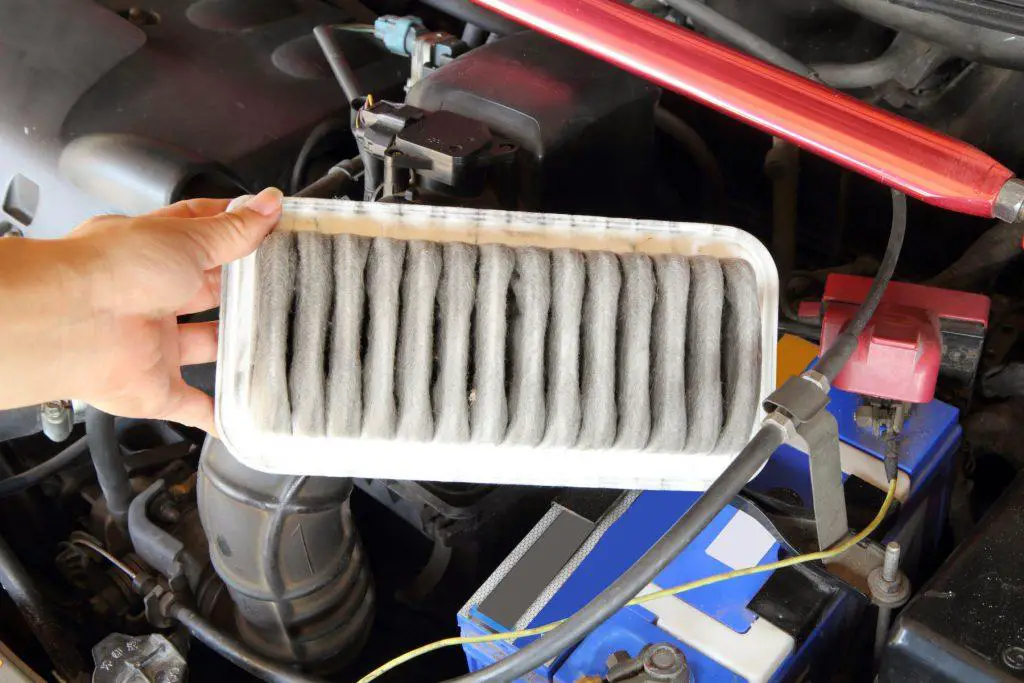
So, when any of the above symptoms seem to occur when you try to start your vehicle, there is a high chance that it is due to the dirty car air filter, which needs to be replaced immediately.