
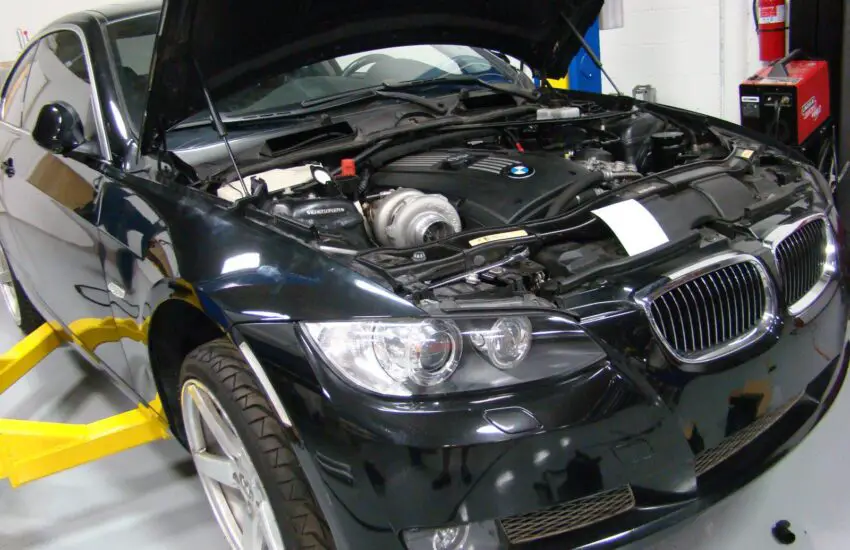
A single small defect on one component can affect the overall operation of the vehicle. So, to help you, here are some useful tips that will help you determine the failure of your BMW water pump.
When we talk about the water pump, it is the centerpiece of the engine’s cooling system. And if it stops working, the real problem begins!
5 Things That Help Determine BMW Water Pump Failure
The function of a water pump is to continuously circulate coolant throughout the entire cooling circuit. It thus regulates the flow of the coolant. A faulty water pump can cause your Bimmer’s engine to overheat.
Therefore, you should check your vehicle’s water pump as soon as you encounter these situations.
1. Squealing and Whirring Noises
The cause of this high-pitched squealing from your BMW could be a loose belt. This loose belt could mean a loose pulley or worn bearings in the water pump.
If the bearings in your BMW are completely worn out, it might be necessary to change your water pump to avoid a water pump failure.
2. Engine Overheating

Several reasons can cause your BMW’s engine to overheat. If you notice your car’s temperature gauge is in the red or the dashboard displays warnings, you should immediately consult an automotive expert.
A faulty water pump will cause your car to overheat, leading to other engine damage. You could also face costly repairs for blown head gaskets and cracked cylinder heads if your water pump fails.
3. Coolant Leaks
If you ever notice an imminent leak coming from the front part of your BMW, you should not ignore it.
It’s possible that the leak is a sign of many problems about to occur. If the fluid color is blue, it might be a coolant leak from the water pump.
4. Steam Emitted from the Radiator
Steam coming from your radiator is not a good sign at all. It can come from engine overheating caused by a malfunctioning water pump. The main role of the water pump is to circulate water to the radiator.
If the pump is not working correctly or if the hoses have many disconnections, the coolant will not pass from one point to another in the engine, making it vulnerable to overheating.
5. Rust on the Water Pump
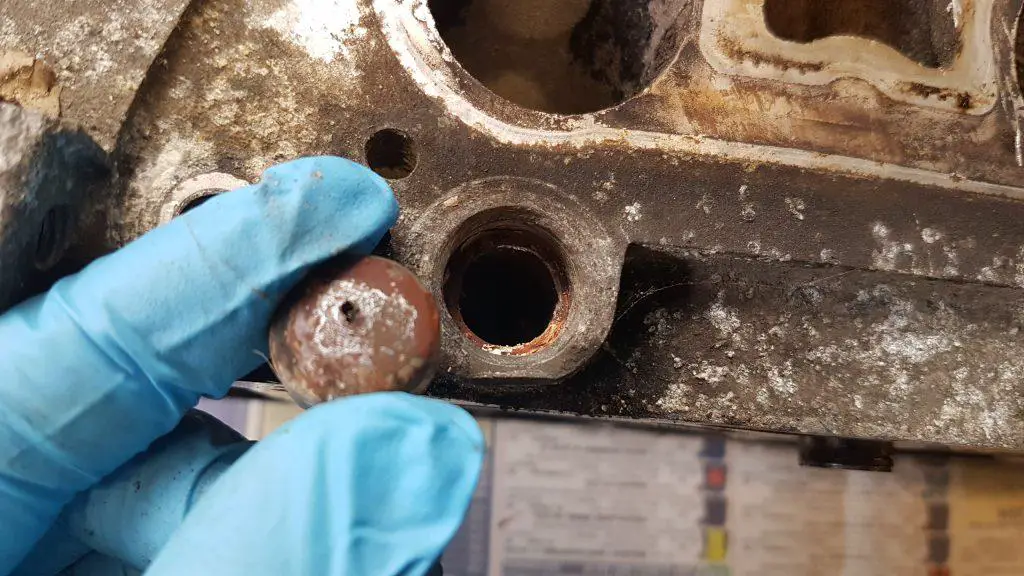
Corrosion and rust on the water pump can also be an indication of your BMW’s water pump failure. This corrosion prevents the water pump from moving the coolant properly.
In this case, it is necessary to have your pump replaced to ensure the proper functioning of the vehicle. If you wish to learn more about the proper functioning of a water pump, discover some maintenance tips provided by automotive experts.
FAQ
1. Can I continue driving my BMW if I suspect a water pump problem?
It is not recommended to continue driving your BMW if you suspect a water pump problem.
Using a vehicle with a faulty water pump can lead to serious engine damage due to overheating. It is best to have the problem diagnosed and repaired promptly.
2. How can I avoid BMW water pump failure?
Regular maintenance is essential to avoid any water pump failure. Follow the maintenance intervals recommended by your BMW manufacturer and have the cooling system regularly inspected by a qualified technician.
Replacing the water pump and associated components at the recommended intervals can help ensure its longevity and prevent unexpected failures.
3. How much does it cost to replace a BMW water pump?
The cost of replacing a BMW water pump can vary depending on the model, year, and where the service is performed.
On average, you can expect to pay between $300 and $800 for parts and labor. Costs may be higher for luxury or high-performance BMW models.
4. Can I replace the water pump myself?
While some experienced mechanics may attempt to replace a water pump themselves, it is a complex job that often requires specialized tools and knowledge of the BMW cooling system.
For most drivers, it is advisable to have a professional mechanic or a BMW dealership perform the replacement to ensure it is done correctly.
5. How long does a typical BMW water pump last before needing replacement?
The lifespan of a BMW water pump can vary depending on factors such as driving conditions, maintenance, and the specific model of your BMW.
However, on average, a water pump can last between 60,000 and 100,000 miles (96,000 to 160,000 kilometers).
6. Are there specific BMW models known for having water pump problems?
While water pump problems can occur on various BMW models, some models, like the BMW 3 Series E90, are known for having more frequent water pump failures.
It is essential to note that regular maintenance and prompt attention to warning signs can mitigate these issues.
7. Can I use any type of coolant in my BMW, or does it require a specific coolant type?
BMWs generally require a specific type of coolant recommended by the manufacturer.
It is essential to use the appropriate coolant to ensure the proper functioning of the cooling system and avoid compatibility issues. Refer to your BMW owner’s manual for the recommended coolant type.
8. Is water pump failure covered by the BMW warranty?
Warranty coverage for water pump replacement can vary depending on the terms of your BMW’s warranty.
In some cases, water pump replacement may be covered by a new car warranty or an extended warranty if the issue occurs during the warranty period.
Consult your warranty documentation or check with your BMW dealership for specific coverage details.
Final Words
So, the elements mentioned above are responsible for your BMW’s water pump failure. Next time, if you encounter such situations, have them addressed immediately.
Remember that maintaining your BMW’s cooling system and promptly addressing any warning signs of water pump failure can help you avoid costly repairs and ensure your vehicle’s proper operation. If you suspect a problem, consult a qualified technician for proper diagnosis and repair.