
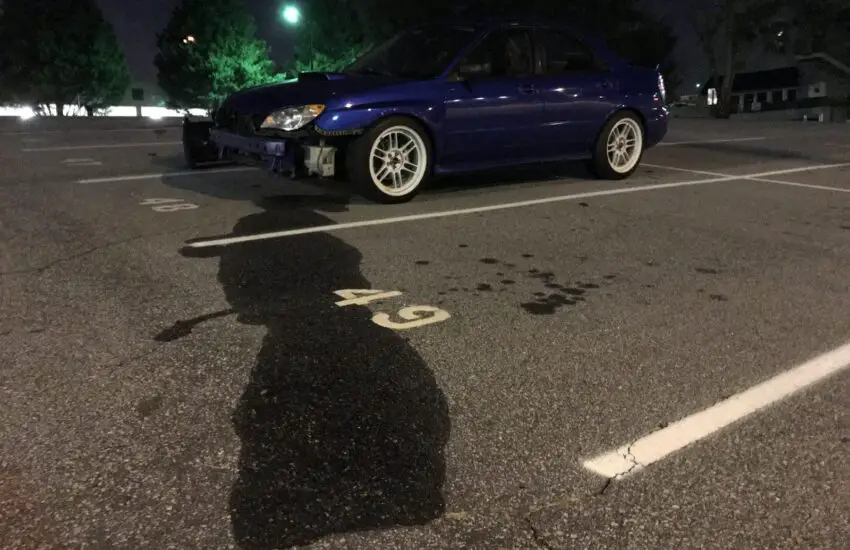
Your car’s coolant plays an essential role in keeping all parts at an optimal temperature and improving engine performance. It can happen that a small coolant leak occurs, which is repairable without spending too much time or money. However, if the leak is not controlled until the cooling system empties, repairs can be quite costly. Vehicle owners should remember that having coolant in the engine oil is never a good idea for the car.
Let’s see what happens when coolant leaks into the engine oil. Coolant is a useful element in your car to keep it cool. However, it can become a source of headaches if it leaks into the engine.
How to handle a coolant leak in the engine oil
If there is a coolant leak in the car, it can overheat and break down. You might then find yourself stranded in the middle of the road. However, if the coolant leaks into the engine oil, the damage will be expensive to repair.
On the other hand, if you try to drive the vehicle without coolant, there is a high chance that it will damage the thermal seal. In addition to leaving your car in the garage for repair, you will have a large repair bill to pay. In the worst case, the car’s engine would fail and require a complete replacement. You can browse online to find the best maintenance tips for the proper functioning of your vehicle.
We will help you understand what would happen if coolant were present in your vehicle’s oil.
1. Changes in lubricant
The mixture of coolant and engine oil can completely alter the properties of the lubricant. The antifreeze would cause the oil to thicken and prevent it from flowing as easily as before. It then moves to other parts of the engine, which require a thinner fluid for lubrication and protection. Due to the coolant leak in the engine oil, an acidic environment is created inside the oil, leading to internal corrosion of the system. Additionally, the additives in the oil are compromised.
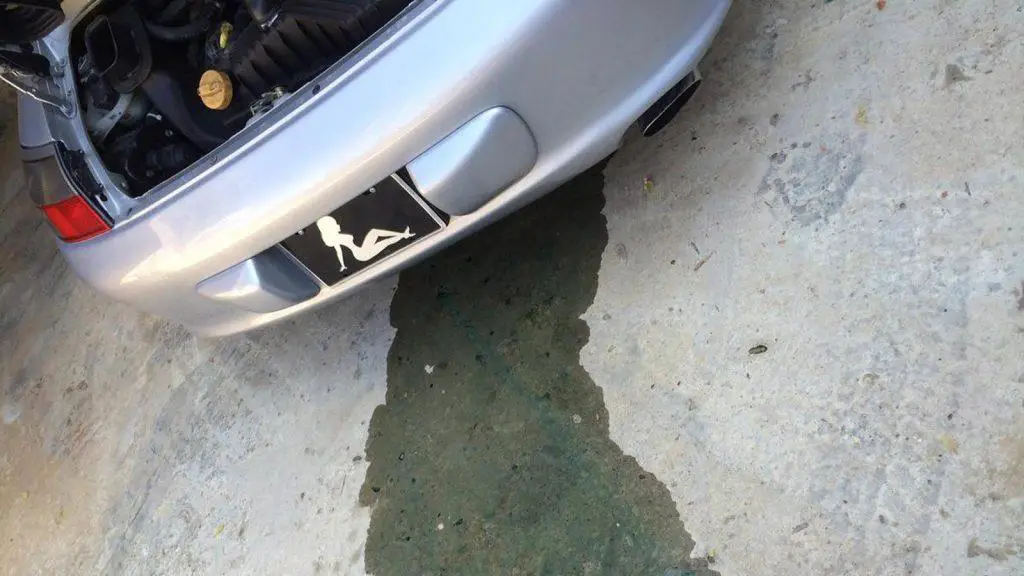
2. Oil balls
Once coolant is present in the oil, small oil balls form. These balls measure between 5 and 40 microns but can cause significant damage to your vehicle. They are abrasive and lead to surface erosion. The most common area to check is the inner wall of the car’s cylinder, where these balls cut and notch the wall. They can quickly cause surface fatigue and may even lead to lubrication failure.
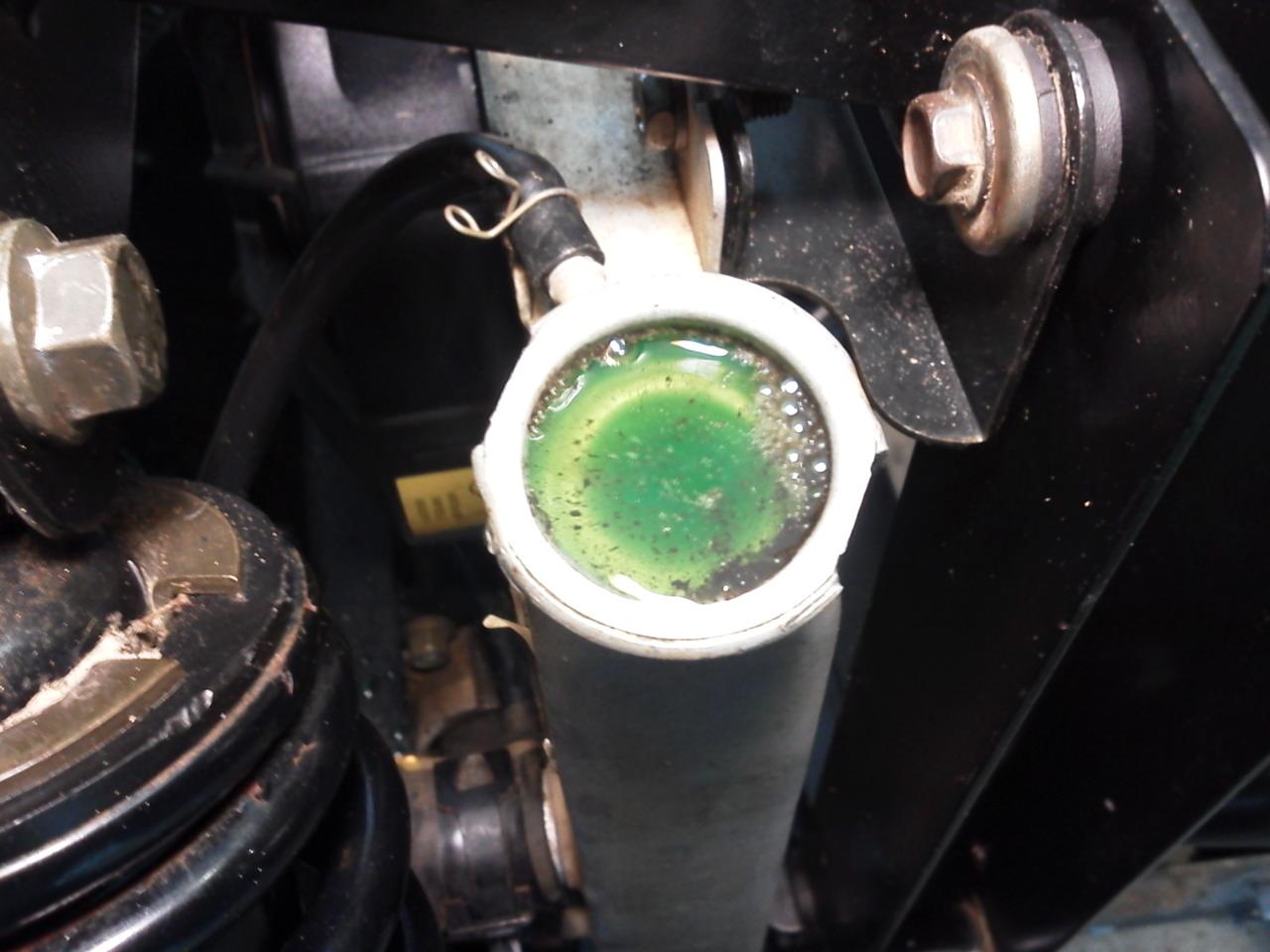
In summary
So, when you notice a coolant leak in the engine oil, immediately contact an automotive repair specialist to resolve the issue in time.