
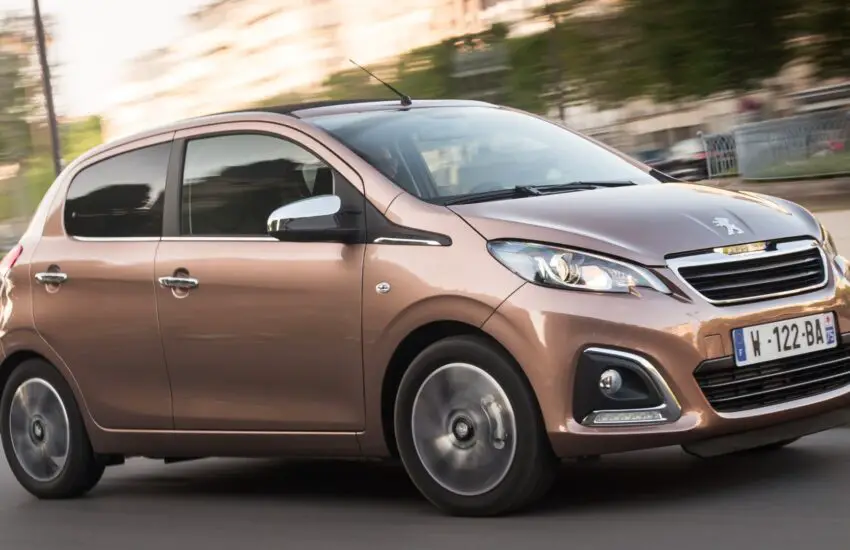
Will the Peugeot 108 Make a Comeback?
The automotive landscape in Europe is undergoing a seismic shift, leaving the fate of beloved small city cars like the Peugeot 108 hanging in the balance. Once a staple of urban mobility, the A-segment has faced immense pressure from stricter emissions regulations and changing consumer preferences favoring SUVs and crossovers. The potential return of models such as the 108 is no longer just a business decision for manufacturers; it has become a litmus test for the future of affordable, compact urban vehicles on the continent.
Regulatory Hurdles and Market Forces
European Union policies are the primary force shaping this segment. Stringent CO2 emission targets and the massive investment required for electrification make developing a new, profitable mini-car exceptionally challenging. The economics are tough: the cost of advanced powertrains and safety technology is harder to absorb in a low-price vehicle. Consequently, many automakers have withdrawn from the segment to focus resources on larger, more profitable electric vehicles.
A Persistent Niche of Demand
Despite these challenges, a genuine demand for compact, efficient, and easy-to-park city cars persists. In dense urban environments across Europe, the practical advantages of a small footprint and low running costs remain highly relevant. This enduring need suggests a market opportunity, potentially for electric versions of these vehicles, if they can be offered at an accessible price point.
The Path Forward for Compact Cars
The future of models like the Peugeot 108 likely hinges on a combination of strategic decisions from Stellantis and the evolving regulatory framework. The potential development of a shared platform for affordable electric mini-cars across multiple brands could improve viability. Ultimately, the return of the small city car depends on aligning European environmental ambitions with the practical necessity of accessible urban transportation.