
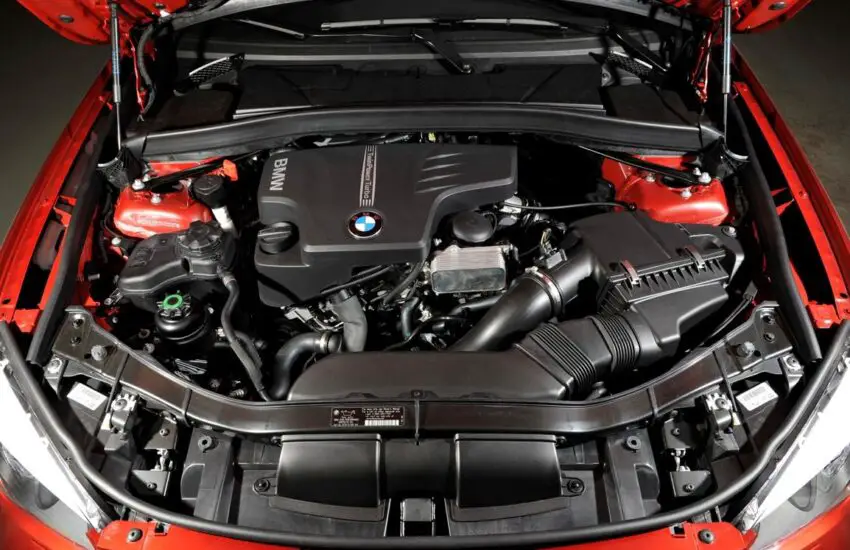
A vehicle’s engine is composed of several parts. Piston rings are essential components that are precisely placed between the piston and the cylinder. Their purpose is to regulate oil pressure, maintain gas compression, transfer heat from the piston to the cylinder, and prevent the piston from knocking against the cylinder wall. Car engine problems begin to occur when these O-rings are worn. This is why people care about replacing piston rings to avoid engine-related issues.
The Fastest Method for Replacing Piston Rings
A series of donut-shaped piston rings are made from cast iron, allowing them to retain their shape under load or heat. These rings are inexpensive but crucial for the engine’s proper functioning. According to expert maintenance advice, entrusting your vehicle to a professional is an excellent choice to have your car’s engine checked. Below are some telltale signs of faulty piston rings.
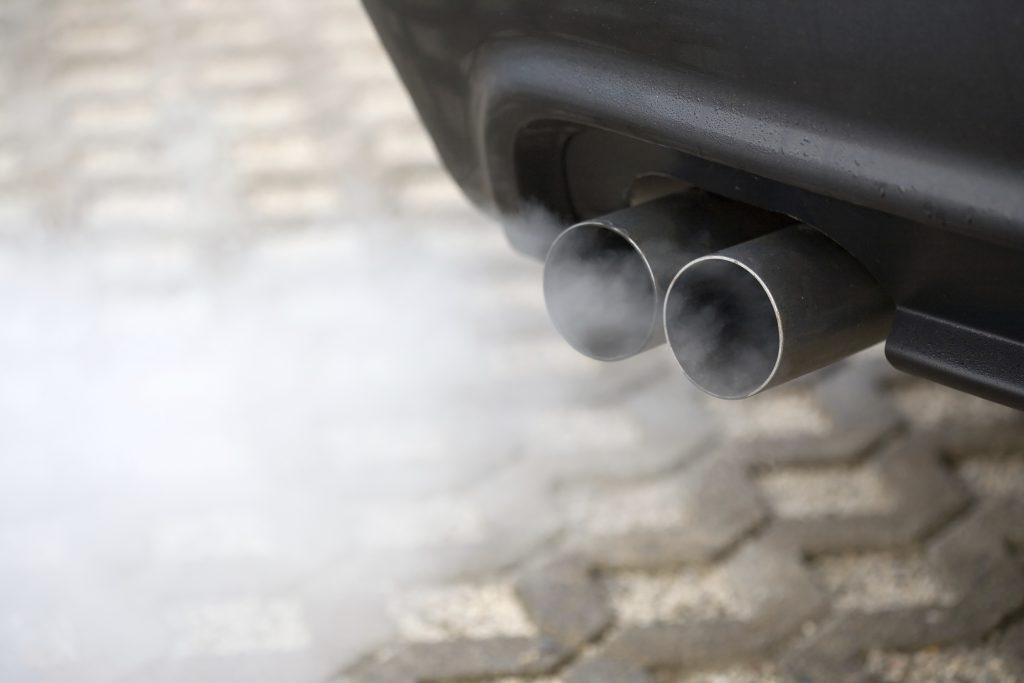
Excessive Exhaust Smoke
Piston rings can withstand high pressure. However, they begin to deteriorate over time. Excessive exhaust smoke from the engine can be a definitive sign of faulty piston rings. Pay particular attention to the smoke, especially if its color appears gray or white. Engine oil leaking into the combustion chamber creates thick white or gray smoke.
Excessive Oil Consumption
As mentioned above, when oil leaks into the combustion chamber, vehicles start consuming too much oil. Thus, instead of adding oil every 5,000 to 8,000 kilometers, drivers need to add it regularly. If your situation is the same, it’s time to have your car inspected by professionals.
Poor Acceleration Power
A car engine begins to lose power due to damaged or worn piston rings. As lack of compression starts to occur, the engine loses its power. Simply put, a car takes longer to accelerate because of faulty piston rings. Experts know how to change piston rings to solve this problem.
Poor Vehicle Performance
One of the worst things that can happen to a vehicle is when it doesn’t start completely. A vehicle’s performance is considered poor when the driver fails to accelerate. In such a case, the only option left for the driver is to tow the vehicle to the nearest mechanic. You don’t have to worry, as such conditions only occur when drivers ignore the first three symptoms. Therefore, vehicle inspection is crucial for your vehicle to run perfectly for a long time.
Piston Ring Replacement: A Complete Starter Guide
Car engine problems are a real headache. If you want your vehicle to run efficiently, you need piston rings that fit well between the piston and the cylinder. Piston ring replacement requires special attention. This is why people prefer to take their car to the garage to have the task done without any issues. If you want to try it, you’ll need some necessary tools and your car’s maintenance manual. Let’s learn about the process in detail.
STEP 1: Locate the Piston Rings
First, you need to access the piston rings by removing the cylinder head. Make sure to disconnect the required components before removing the part. Drain the coolant before removing the exhaust manifold. Use the wrench to loosen the bolts holding the essential parts.
Once that’s done, disconnect the distributor and remove the spark plug wires. Carefully unscrew the valve corners. The real challenge comes with the pushrods and rocker arms. You’ll find a nut on top of each rocker arm; remove them independently. Finally, pull the pushrods through the cylinder head.
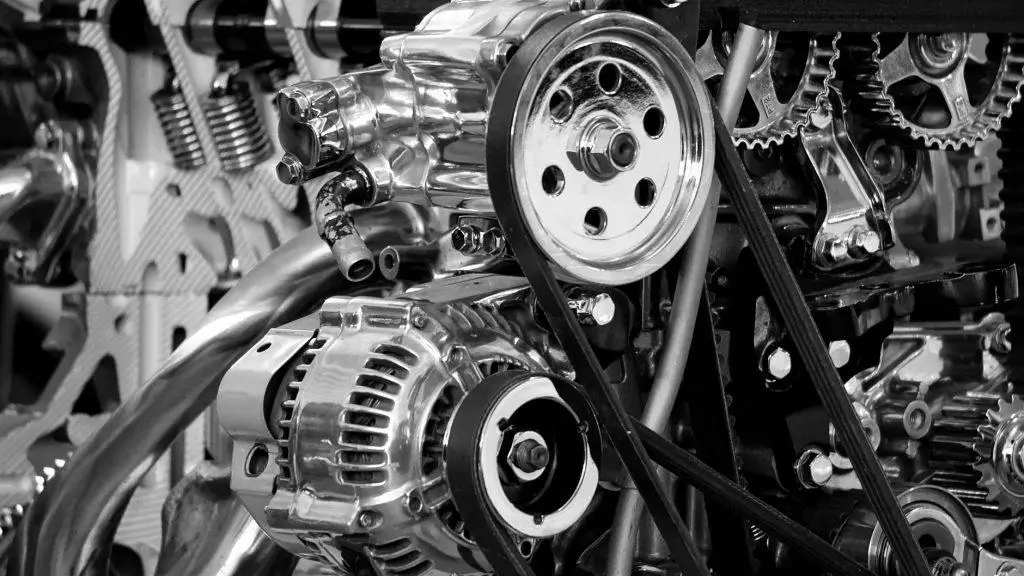
A pro tip for removing the cylinder head bolts is to start with the outer bolts. Clean the dirt and grease from the top of each cylinder before moving to the next step.
STEP 2: Clean the Piston and Remove the Rings
Cleaning is imperative before replacing the piston rings. This process may seem simple but requires special attention until the end. When you cover all the cylinder holes, you feel a sense of relief because no piston debris can fall inside the cylinders. Now, clean the dirt before removing the piston.
In many cars, you cannot change the piston rings without removing the pistons. Generally, this can vary from car to car. Therefore, get the maintenance manual to understand the concept in detail. In a well-ventilated area, use kerosene and soak all the removed pistons in it.
Use the piston ring tool and remove the worn rings. Equip yourself with a feeler gauge to check if all the ring grooves are present on the piston. If you find that the grooves are worn, you’ll need to replace the rings with a new piston. If you have difficulty moving the rings, let them soak overnight in kerosene.
STEP 3: Insert New Piston Rings
Stretch the replacement piston rings using the piston ring tool. Be very careful as they can break if you stretch them too much. It’s best to secure the piston rings in the ring grooves. During this process, inspect the piston twice to ensure you don’t encounter any problems when replacing the rings with connecting rods.
The final step is to reverse the entire process. It’s essential to check the cylinder head gasket before replacing the cylinder head. It’s best to perform the replacement during work on the piston rings. Reattach all the components and place the cylinder head on the engine block.

The Epilogue
Piston rings are a crucial element of a car engine. If you want them to have a long lifespan, you must maintain them regularly. Even a small defect in the piston rings can cause you trouble with your car’s engine. The above guide on piston ring replacement will help you perform the task effectively. However, it’s always recommended to take your car to the garage periodically.