
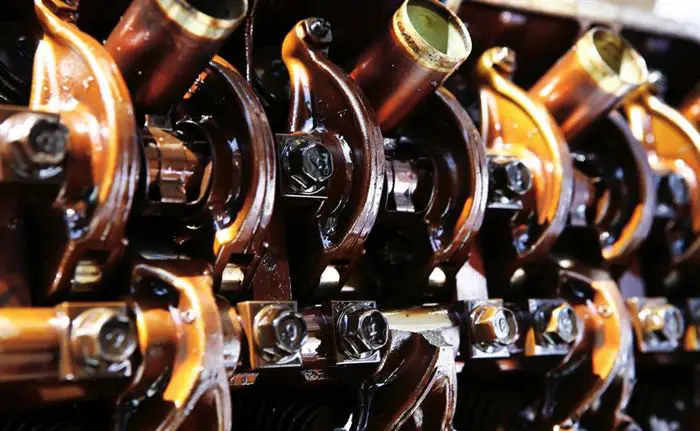
The telltale signs of old engine oil. Have you noticed your engine running less smoothly lately? You might need to change your engine oil. Engine oil is essential for the proper functioning of your vehicle, but it deteriorates over time. So, how can you tell if your oil is too old and it’s time to change it? In this article, we will outline the telltale signs of worn engine oil that you need to know. Unusual noises, increased fuel consumption, a pungent smell, or reduced power can be signs of outdated engine oil. It’s important to recognize these signs to avoid potential further damage to your engine. Additionally, you will discover in this article how to maintain your engine oil to extend your engine’s lifespan and avoid costly repairs. You will learn how to check the oil level, when to do an oil change, and how to choose the right oil for your vehicle. Don’t let worn engine oil slow you down. Keep reading to learn more about the telltale signs and the steps to take to keep your engine in good working condition.
The importance of engine oil in a vehicle

Engine oil plays a crucial role in the efficient operation and longevity of a vehicle’s engine. It acts as a lubricant, reducing friction between the moving parts of the engine and helping to dissipate the heat generated by the engine’s operation. Without adequate engine oil, engine components can wear out prematurely, leading to costly repairs or even complete engine failure.
What happens to engine oil over time?
Over time and with use, engine oil undergoes a natural degradation process. It breaks down due to heat and accumulated contaminants, which diminishes its lubrication and protection capabilities. Additionally, it can become diluted with unburned fuel and accumulate dirt particles, reducing its effectiveness and potentially damaging the engine.
Signs of used engine oil
Several signs indicate that engine oil has reached the end of its useful life. These signs include a dark or opaque color, a thinner consistency than normal, a burnt or rancid smell, as well as the presence of visible particles. These signs indicate that the oil is no longer effectively fulfilling its role of protection and lubrication.
How to check if engine oil is old?

To check if engine oil is worn out, it is recommended to consult the vehicle owner’s manual for the recommended oil change interval. Additionally, an oil quality test can be performed using a dipstick or by consulting an automotive maintenance professional.
The consequences of using used engine oil
Using used engine oil can have serious consequences on the vehicle’s engine. Insufficient lubrication can lead to engine overheating, premature wear of parts, and potentially engine failure. Moreover, used engine oil can lead to the accumulation of harmful deposits in the engine, reducing its efficiency and durability.
How often should engine oil be changed?
The frequency with which engine oil should be changed depends on several factors, including the type of oil used, driving conditions, and the vehicle manufacturer’s recommendations. Generally, it is recommended to change the engine oil every 5,000 to 10,000 kilometers or every 6 months to a year, whichever comes first.
The proper disposal of used engine oil
It is crucial to properly dispose of used engine oil to avoid harming the environment. Automotive recycling centers or auto repair shops often accept used oil for proper recycling. Used oil should never be poured down drains or into landfills, as this can contaminate water and damage the ecosystem.
Tips for keeping engine oil fresh
To keep engine oil fresh and extend its lifespan, it is recommended to regularly check the oil level and top it up if necessary. Additionally, it is important to follow the manufacturer’s recommendations for vehicle maintenance and use quality oil that meets the engine’s specifications.
The role of engine oil in vehicle performance
Quality engine oil is essential to ensure optimal performance of a vehicle’s engine. By providing adequate lubrication, it reduces friction between moving parts, allowing for smoother and more efficient engine operation. Quality engine oil can also help improve fuel consumption and reduce polluting emissions.
Conclusion

In conclusion, engine oil plays a vital role in the operation and durability of a vehicle’s engine. It is essential to regularly monitor the quality and level of the oil, as well as to adhere to the recommended oil change intervals to keep the engine in good working condition. By taking care of the engine oil, you can extend the engine’s lifespan and ensure optimal vehicle performance in the long term.