
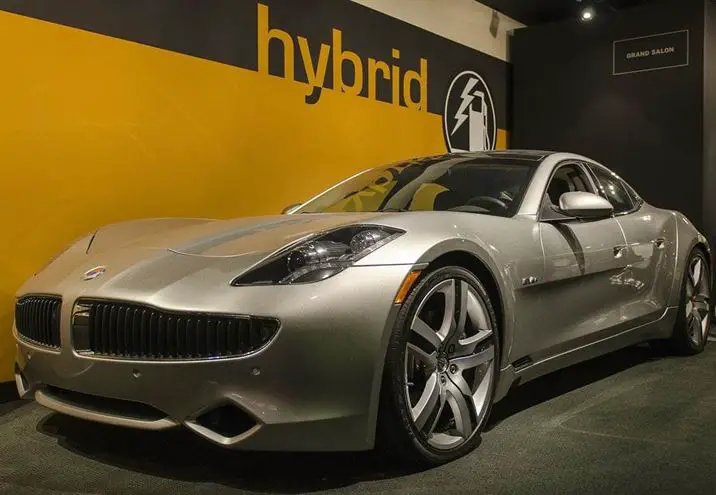
Hybrid cars (powered by electricity and gasoline) that operate too quietly are considered “dangerous” by many people. Some believe these hybrids should be a bit “louder.” To address this issue, many countries have requirements regarding hybrid car noise. Specifically, both plug-in hybrid vehicles and hybrids must make noise when traveling at low speeds (<30 km/h) to ensure pedestrian safety.
Equipped with a sound emission system, we sometimes still hear the strange noise of hybrid cars and wonder if it’s just a normal hybrid sound or if there’s a problem with your car? To better understand the issue, let’s read the article below.
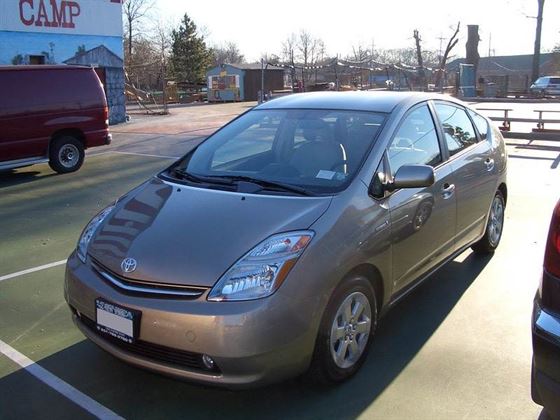
Why Hybrid Car Noise Is So Strange
Hybrid Brake Is Damaged
As with any other conventional car, the working principle of the brake is: when the driver wants to stop or slow down, they must apply sufficient braking force to make the wheels turn slowly or stop completely. But during this process, the car’s brake shows signs of failure. One of the most obvious signs is noise during braking. What causes this phenomenon? The reasons can be:
- Worn brake pads: If brake pads are used for a long time, the rear metal surface will slowly wear away. This causes metals to collide with each other and creates noise.
- Torn pads: A torn pad will create conditions allowing parts of the braking system to rub against each other like rotors.
- Faulty brake discs: Worn brake discs are the source of the annoying noise in the braking system. Brake discs that are no longer flat will cause a strange noise.
Automated Transmission Failure
Electric and hybrid vehicles often use direct or automatic transmissions. When the hybrid transmission is damaged, you may hear obvious sounds like clunking noises, vibrations, and metal clanging.
Some causes that can be cited are improper use of the automatic transmission such as carrying heavy loads, frequently driving on uneven roads, shifting gears when the car is at high speed, or before coming to a complete stop… All these mistakes cause the engine to overheat, making it difficult to shift gears.
Additionally, other reasons can be listed: worn transmission, damaged wheel bearings, or continuous driving of a car under difficult conditions. If the pump shaft or machine is faulty, you may hear a humming sound.
A Hybrid Engine Has a Problem
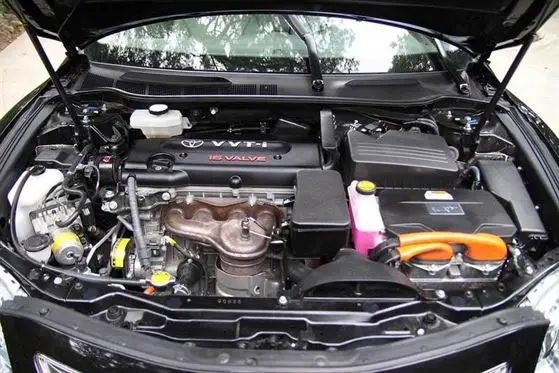
As you know, unlike diesel and gasoline engines, hybrid engines produce much less noise. The HEV engine is composed of energy and gasoline from the battery. Although it is much quieter, drivers will sometimes hear strange noises: squealing, tapping, clicking, knocking… coming from the car’s engine, and this may worry you. Causes include a dirty air filter, a damaged spark plug or spark plug wire, a clogged fuel filter, or a catalytic converter.
Types of Hybrid Car Sounds
Do all noises from a hybrid car mean your car has a problem? The answer is “No.” There are many types of hybrid car noises, which can easily confuse you about your car’s condition: “Is one of the car parts damaged?” Below, we’ll discuss some types of normal noises; you don’t need to worry when you hear them:
- When the hybrid engine stops, the cooling system pumps hot coolant into the thermos tank. You can actually hear the pump humming for a few seconds while it fills the thermos tank.
- If you’re driving at low speed, you hear a strange noise and wonder: What happened to my hybrid car? In this situation, your car is completely normal. Specifically, the Acoustic Vehicle Alerting System (AVAS) of electric and hybrid vehicles must emit a clear and continuous sound when the car is moving at a speed below 19 km/h so that pedestrians know the car is in motion. The volume of this system can range from 56 to 75 decibels (similar to an indoor conversation or an electric toothbrush). The noise emitted will increase when the car accelerates.
- The only noise that electric vehicles tend to make is from tires or wind resistance, and this only occurs at higher speeds.
FAQ
Why Does the Toyota Prius Make a Loud Engine Noise?
The Toyota Prius is the world’s first mass-produced hybrid (gasoline-electric) vehicle. At the same time, it is also a popular car model due to its fuel economy benefits and environmental friendliness. But there are some complaints about this car’s noise. Problems can range from a simple dirty spark plug to more serious issues like a damaged muffler or catalytic converter.
Do Hybrid Cars Need to Be Recharged?
With a full hybrid or mild hybrid vehicle, the car does not need to be recharged because the internal combustion engine will both serve as the engine and provide power to the hybrid battery. As for plug-in hybrid cars, the battery must be charged by an external power source.
How to Maintain a Hybrid Battery?
Basically, the battery does not require periodic maintenance; the part that needs periodic maintenance is the cooling system’s air filter. This air filter should be cleaned every 10,000 km and replaced every 30,000 km.