
Why Switching to Electric Cars Feels Like an Uphill Battle
The shift from gasoline to electric vehicles is heralded as a crucial step toward sustainable transport. Yet, for many consumers and industries, this transition is proving to be a complex and challenging journey. The hurdles are not merely about technology but are woven into a fabric of practical concerns, economic factors, and deep-seated habits.
The Practical Hurdles: Infrastructure and Cost
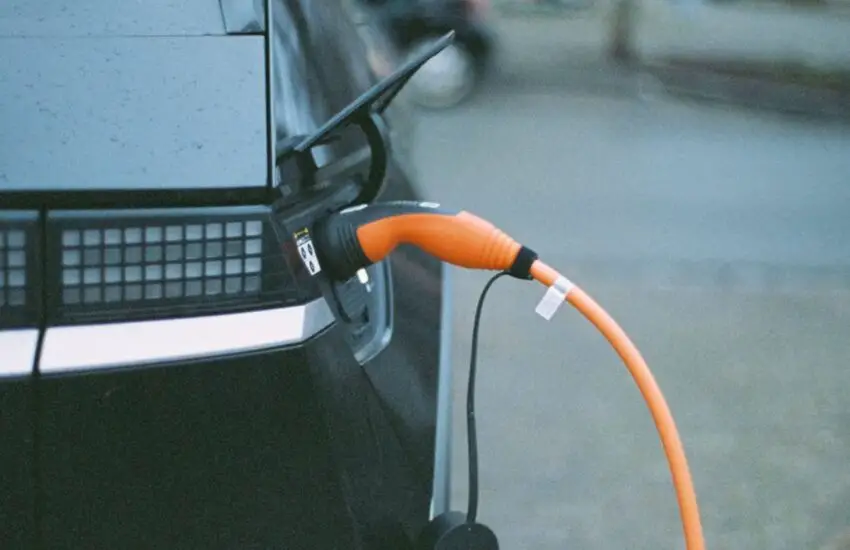
The most immediate barrier for potential buyers is the practical reality of owning an EV. Range anxiety, while diminishing, remains a psychological hurdle, fueled by perceptions of insufficient public charging networks. The upfront purchase price, despite long-term savings on fuel and maintenance, continues to be significantly higher than comparable internal combustion engine vehicles. Furthermore, for those without a private driveway or garage, the simple act of charging overnight becomes a logistical puzzle.
Industrial Inertia and Consumer Mindset
Beyond practicalities, the transition challenges a century-old automotive ecosystem. A vast global industry built around the manufacture, maintenance, and fueling of gasoline cars cannot pivot overnight. This industrial inertia is mirrored by consumer mindset. For generations, car ownership has been synonymous with the sound, smell, and ritual of refueling at a gas station. Moving to a silent vehicle charged from a wall socket requires a fundamental rethinking of the relationship with our cars.
Beyond the Individual Choice
The difficulty also lies in the larger systemic context. The environmental benefit of an EV is deeply tied to the carbon intensity of the local electricity grid. In regions reliant on coal, the net gain is less clear-cut. Additionally, concerns about the sourcing of critical battery materials like lithium and cobalt present ethical and supply chain dilemmas that the industry is still grappling with, giving some consumers pause.
Ultimately, the path to widespread electric vehicle adoption is not just about building better cars. It requires a synchronized evolution of infrastructure, energy production, economic incentives, and, perhaps most challenging of all, a shift in long-established cultural norms around mobility.