
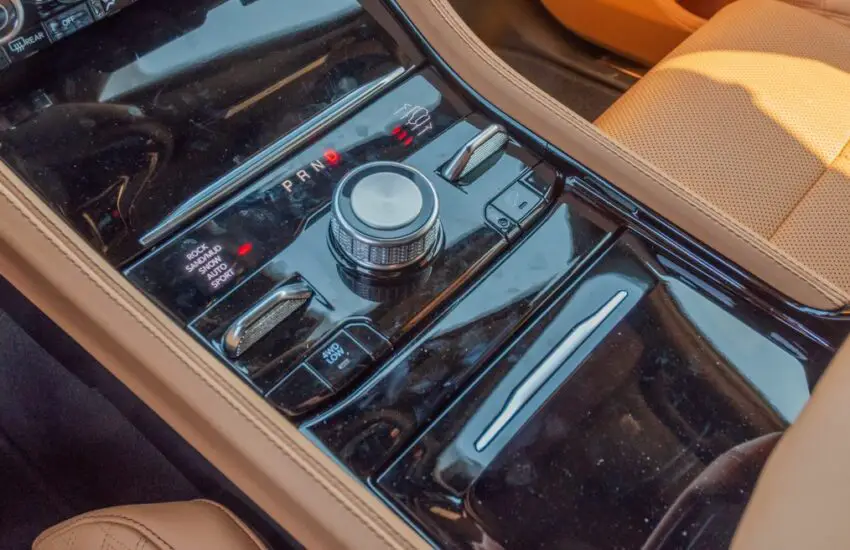
The Glossy Menace in Modern Cars
In the pursuit of a premium aesthetic, a problematic trend has dominated automotive interiors for years: piano black plastic. This high-gloss material promises sophistication but delivers frustration, becoming one of the most criticized design choices among drivers and reviewers alike.
Why Piano Black is a Design Flaw
At first glance in a showroom, piano black trim looks sleek and expensive. However, its flaws become apparent within minutes of real-world use. The surface is a magnet for dust, fingerprints, and fine scratches. Sunlight transforms it into a reflector of glare, potentially obscuring controls and creating visual distraction. What was intended as a luxury accent quickly becomes a perpetually smudged and swirled eyesore, impossible to keep clean.
Practical Alternatives for Automakers
Fortunately, designers have numerous alternatives that offer style without the hassle. Brushed aluminum or satin metallic finishes provide a modern, durable look that hides minor wear. Open-pore wood trim adds genuine warmth and texture. Soft-touch, textured plastics or microfiber suede inserts offer a tactile experience that resists fingerprints. Even matte black plastic provides the intended color scheme without the constant maintenance.
A Shift Towards User-Centric Design
The persistence of piano black highlights a disconnect between initial design appeal and long-term ownership experience. As the industry moves towards more durable and sustainable materials, the choice of interior finishes must prioritize practicality. The ideal cabin material is one that looks good not only on day one but continues to enhance the driving experience for years, without requiring constant cleaning. The future of car interior design lies in materials that are beautiful, functional, and resilient.