
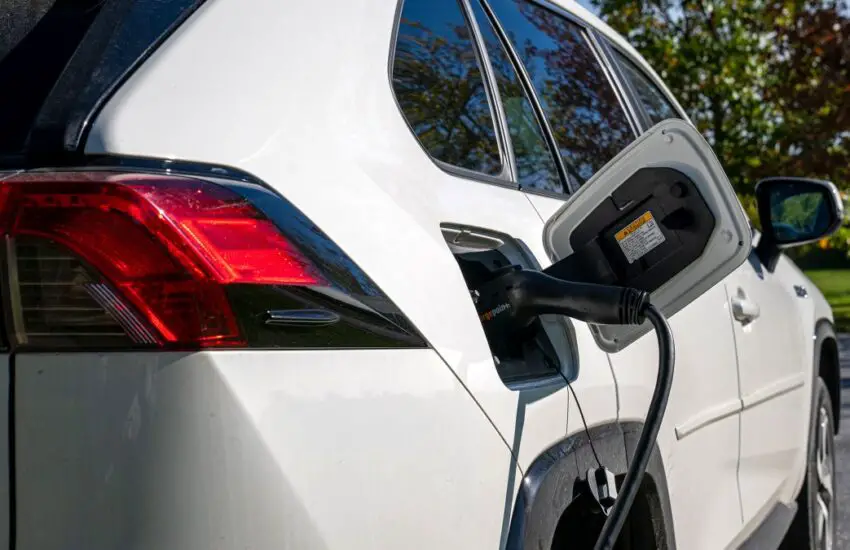
The Unspoken Truth About Plug-In Hybrids
Plug-in hybrid electric vehicles (PHEVs) are marketed as the ideal bridge technology, offering the zero-emission capability of an EV for daily commutes with the long-range safety net of a gasoline engine. However, a growing body of evidence reveals a significant gap between their promised green potential and real-world environmental impact, largely dictated by driver behavior.
The Efficiency Illusion of a Heavy Hybrid
A PHEV is essentially two powertrains in one: a battery-powered electric motor and a conventional internal combustion engine. This dual system adds considerable weight and complexity. When the battery is fully charged, the vehicle can operate efficiently on electric power for a limited range. The critical problem arises when drivers fail to plug in regularly. In this state, the heavy vehicle must be propelled solely by its gasoline engine, which now labors under extra weight, leading to fuel consumption and CO2 emissions that can exceed those of a standard non-hybrid model.
Real-World Data vs. Laboratory Tests
Official fuel economy and emission figures for PHEVs are derived from standardized laboratory tests that assume regular charging. Studies of actual on-road use consistently show that many PHEVs are driven predominantly in their default hybrid mode with depleted batteries. In these conditions, their real-world emissions can be two to four times higher than the advertised values. This discrepancy turns a supposed eco-friendly choice into a source of unexpected pollution.
Maximizing Your PHEV’s Potential
To truly realize the environmental and economic benefits of a plug-in hybrid, consistent charging is non-negotiable. Owners should treat the electric range as the primary mode of operation, reserving the gasoline engine for longer trips beyond the battery’s capability. For individuals with reliable access to home or workplace charging and predictable, shorter daily routes, a PHEV can be an effective tool for reducing fossil fuel use. For those without consistent charging access, a conventional hybrid or a more efficient gasoline vehicle may be a more honest and less polluting choice.