
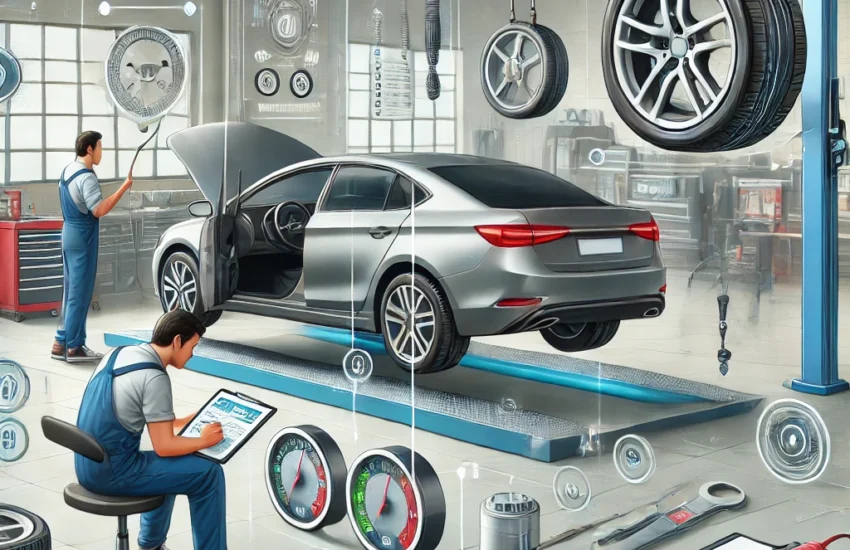
Regular car maintenance is essential to maintain your vehicle’s performance and safety. However, even with good intentions, frequent mistakes can occur, leading to unnecessary costs or mechanical issues. Here are the most common errors and tips to avoid them.
1. Neglecting Recommended Maintenance Intervals
Every vehicle has a specific maintenance schedule provided by the manufacturer. Ignoring these recommendations can lead to premature wear or major breakdowns.
How to avoid this mistake:
- Consult the owner’s manual for recommended intervals for oil changes, filter replacements, and other services.
- Use apps or reminders to track your maintenance schedule.
2. Using Non-Compliant Parts or Fluids
Choosing unsuitable replacement parts or fluids can compromise the vehicle’s performance or cause damage.
How to avoid this mistake:
- Check the specifications in the owner’s manual before buying parts or fluids.
- Prefer original (OEM) or manufacturer-approved parts.
3. Overinflating or Underinflating Tires
Improper tire inflation can reduce their lifespan, decrease energy efficiency, and affect safety.
How to avoid this mistake:
- Regularly check tire pressure using a pressure gauge.
- Adjust the pressure according to the manufacturer’s recommendations, especially before a long trip or when the vehicle is loaded.
4. Forgetting to Replace Filters
Oil, air, and fuel filters play a crucial role in the engine’s proper functioning. Neglecting them can reduce performance and increase fuel consumption.
How to avoid this mistake:
- Replace filters according to the recommended intervals.
- Have the filters checked during each maintenance visit.
5. Not Checking Fluid Levels
Insufficient levels of engine oil, coolant, or brake fluid can lead to serious failures.
How to avoid this mistake:
- Check fluid levels regularly (ideally once a month).
- Top up or change fluids as needed, following the manufacturer’s recommendations.
6. Ignoring Dashboard Warning Lights
Warning lights, such as “Check Engine,” should never be ignored. They indicate potential issues, sometimes critical ones.
How to avoid this mistake:
- Use an OBD2 diagnostic tool to read error codes and identify problems.
- Consult a professional mechanic if a light stays on or flashes.
7. Over-tightening or Under-tightening Bolts
Over-tightening or under-tightening bolts can cause safety issues or damage parts.
How to avoid this mistake:
- Use a torque wrench to tighten bolts to the recommended torque.
- Follow the manufacturer’s specifications, especially for wheels and spark plugs.
8. Forgetting to Check the Battery
A neglected battery can lead to starting problems, especially in winter.
How to avoid this mistake:
- Regularly test the battery voltage with a voltmeter.
- Clean the terminals to prevent corrosion and replace the battery if signs of weakness appear.
9. Ignoring Unusual Noises
Unusual noises, such as squeaks or rattles, can indicate imminent mechanical problems.
How to avoid this mistake:
- Have the vehicle inspected as soon as you hear an abnormal noise.
- Do not delay repairs to avoid further damage.
10. Neglecting Brake Maintenance
Worn or poorly maintained brakes significantly reduce driving safety.
How to avoid this mistake:
- Regularly check brake pad thickness and brake fluid level.
- Replace pads and discs as needed.
Conclusion
Effective car maintenance requires vigilance, appropriate tools, and adherence to the manufacturer’s recommendations. By avoiding these common mistakes, you will extend your vehicle’s lifespan and ensure your safety on the road.