

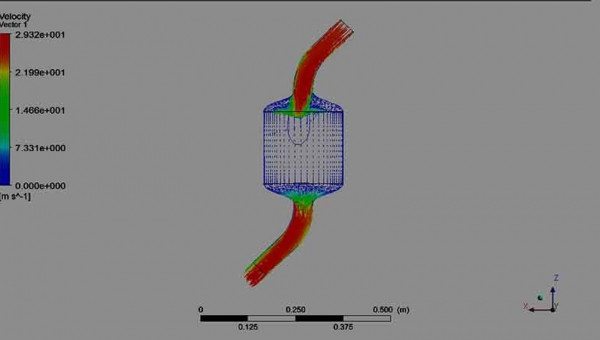
The catalytic converter is an essential component of a vehicle’s exhaust system.
The function of the catalytic converter is to convert exhaust gases and toxic gases into less toxic gases. In other words, the catalytic converter reduces the amount of hydrocarbon emissions in the exhaust gases generated by the internal combustion engine. This is a very innovative procedure that requires altering the chemical composition of these gases before they leave the vehicle.
Have you ever wondered what is inside a catalytic converter that makes this process successful? Imagine a metal chamber with a small set of passages inside. Many people compare the converter to a honeycomb due to its many tiny passages. But this particular honeycomb is built from a ceramic-based composite and a lot of precious metals.
When exhaust gases enter the honeycomb of the catalytic converter, they pass through several different passages. When this happens, a chemical reaction occurs that affects the toxic pollutants. Each of these passages is coated with metal catalysts, such as palladium, platinum, and rhodium. These metals contribute to the chemical reaction that reduces hydrocarbons, NOx gases, and carbon monoxide in the exhaust gases.
It is important for the catalyst materials to have the largest possible surface area. This is why a honeycomb design is used for the catalytic converter. As for these precious metals, they themselves are quite expensive. Many car thieves like to steal catalytic converters from vehicles just to get their hands on these costly metals.
Let’s examine the two main types of catalysts and the metals they are made from in gasoline vehicles:
Oxidation Catalysts – Oxidation catalysts are composed of platinum metals and palladium metals. Whenever carbon monoxide and unburned fuel flow toward the oxidation catalysts, these elements are converted into water and carbon dioxide.
Reduction Catalysts – Reduction catalysts are composed of rhodium and palladium. When nitrogen oxide from the fumes reaches the reduction catalysts, these elements are converted into oxygen and nitrogen. This is very important for reducing smog, as nitrogen oxide is one of the main components of smog.
In the past, there was only two-way oxidation in a catalytic converter. This meant there were only oxidation catalysts and no reduction catalysts. However, the governments of Canada and the United States became concerned about nitrogen oxide and the inability of oxidation catalysts to convert them. As a result, regulations regarding catalytic converters changed so that a three-way oxidation/reduction system was now required.
As for diesel vehicles, they have their own separate catalyst called a diesel oxidation catalyst. This catalyst can take hydrocarbons and carbon monoxide and convert them into carbon dioxide and water. Oxygen is used by the catalyst in the exhaust fuel stream to achieve this. The efficiency rate of the diesel oxidation catalyst is 90%. Most visible particles and emission odors are reduced or eliminated.
Conclusion
Previously, catalytic converters had cheaper metals like nickel, iron, cerium, and manganese. But these did not do a thorough enough job of converting toxic emission gases into less harmful gases. Due to evolving regulations surrounding carbon emission standards, car manufacturers had no choice but to use more expensive metals in their catalytic converters. It turns out that platinum, rhodium, and palladium are the best metals for hydrocarbon reduction and nitrogen oxide reduction.
If you ever need to replace your catalytic converter, it will likely cost you between $1,000 and $3,000. Again, you are paying for the precious metals and their value. Do not take the cheap solution and avoid changing the catalytic converter. Otherwise, you could face legal trouble in your area if you get caught.