

Hybrids Remain a Preferred Path Towards Electric Vehicles
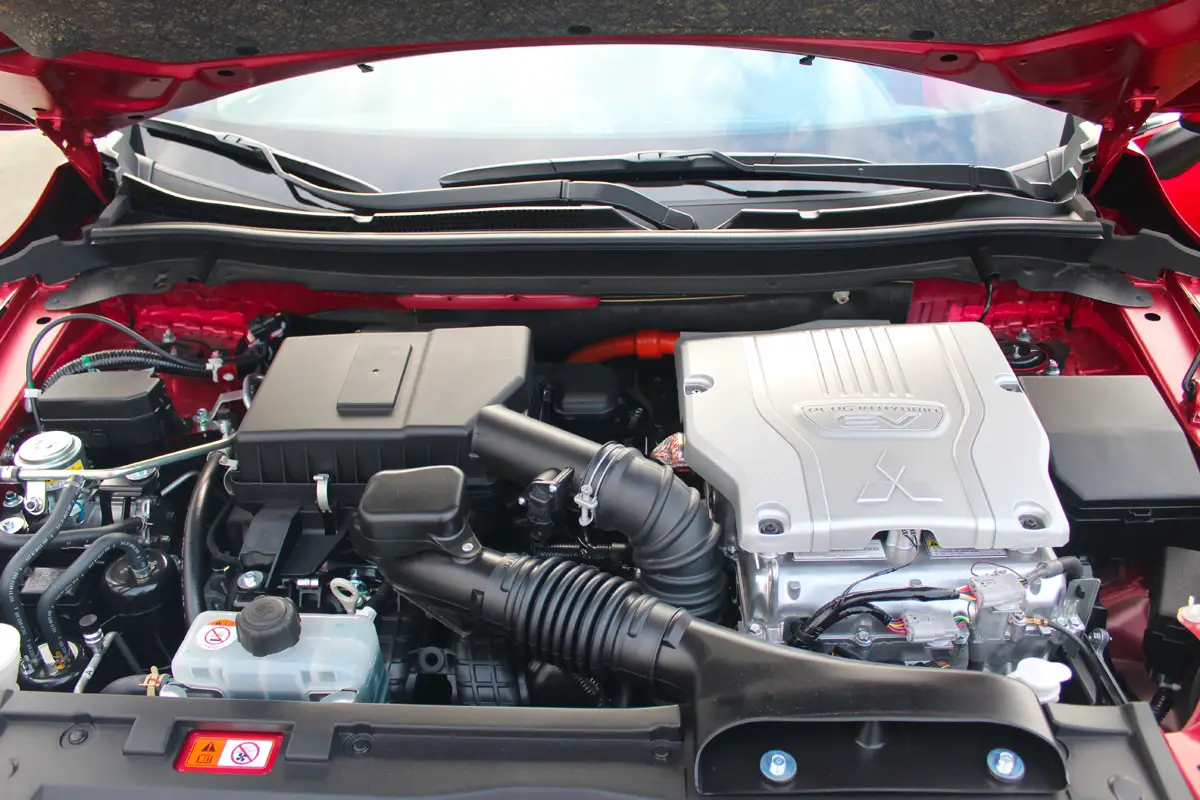
Hybrid technology currently represents a crucial step in the automotive industry’s energy transition. Some purists would prefer to see information about hybrid vehicles disappear, whether plug-in or not. However, this technology deserves a more nuanced and constructive analysis.
A Necessary Transition Towards Electric
Hybrid vehicles play a fundamental role in the evolution towards electric mobility. They allow drivers to gradually become accustomed to new technologies while maintaining reassuring range. This progressive approach facilitates the mass adoption of zero-emission vehicles by addressing motorists’ main concerns.
Plug-in hybrids, in particular, offer an everyday electric driving experience while retaining the possibility of using the combustion engine for long trips. This flexibility perfectly meets users’ varied needs and serves as an excellent introduction to the world of electric vehicles.
The Overlooked Benefits of Hybrid Technology
Contrary to common misconceptions, modern hybrids offer significant environmental benefits. Their ability to operate in zero-emission mode in cities significantly reduces air pollution in urban areas. Furthermore, they prepare charging infrastructure to accommodate more 100% electric vehicles.
Technically speaking, current hybrid systems have evolved considerably. The latest generations offer extended electric ranges, faster charging, and intelligent energy management. These technical advancements bring hybrids closer to pure electric vehicles every day.
A Solution Adapted to Current Realities
The development of hybrid vehicles responds to practical and economic constraints. Charging infrastructure, although constantly expanding, is not yet dense enough to meet all needs. Hybrids bridge this temporary gap while contributing to overall emission reduction.
For many households, hybrids also represent a wise financial compromise. More affordable than some high-end 100% electric vehicles, they enable substantial fuel savings while preparing for a complete transition to electric.
Towards Technological Complementarity
Rather than opposing different technologies, it seems more relevant to consider their complementarity. Each solution addresses specific needs and contributes to transforming the vehicle fleet. Hybrids find their place in this evolving ecosystem, particularly for professionals and families with varied usage patterns.
Automakers are heavily investing in the continuous improvement of hybrid technologies. These investments indirectly accelerate the development of 100% electric vehicles by enabling economies of scale on shared components like batteries and electric motors.
Evolution Prospects
The future of hybrids follows a clear evolutionary trajectory. Next generations will see increased electric ranges and improved performance. This natural progression will gradually lead to increasingly electrified vehicles, eventually reaching complete zero-emission status.
Hybrid technology thus serves as a technological bridge between traditional combustion engines and future electric vehicles. It enables a smooth transition for the entire automotive industry, from manufacturers to end users, including maintenance and charging networks.
In conclusion, considering hybrids as merely a transitional step would be reductive. This technology plays an active role in transforming the automotive sector and deserves to be studied with seriousness and objectivity. Its development intelligently accompanies the shift towards more sustainable mobility accessible to the greatest number.