
The World’s Enduring Driving Divide
For over a century, the automobile has been a symbol of global connection and technological progress. Yet, humanity remains fundamentally divided on one of the most basic rules of the road: which side to drive on. This split, affecting nearly 2 billion people who drive on the left, is more than a curiosity—it’s a historical legacy with significant modern implications.
Historical Origins of the Split
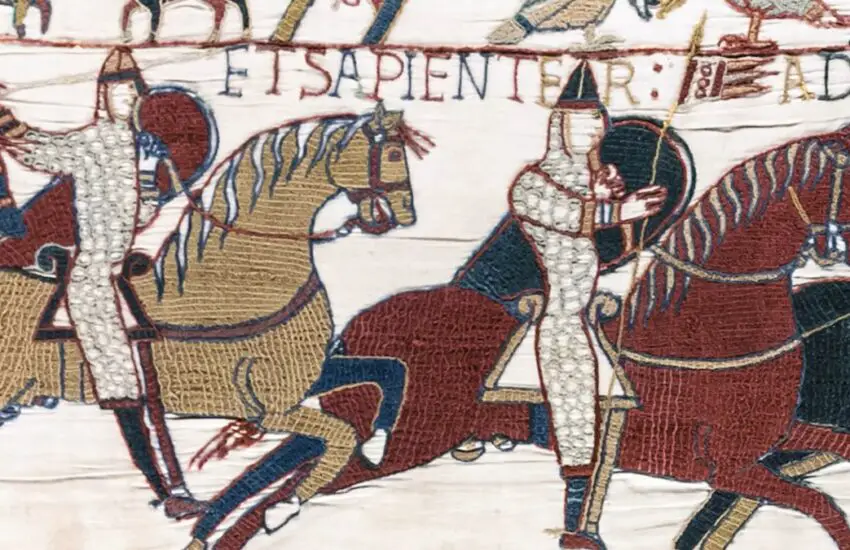
The roots of this division stretch back centuries before the first car. In medieval Europe, most people were right-handed. Mounting a horse from the left side while wearing a sword on the left hip was easier, and staying on the left side of the road kept one’s weapon hand facing a potential oncoming threat. This practice became tradition. The shift to the right is often attributed to 18th-century France, where large freight wagons pulled by multiple horses became common. The driver sat on the rear left horse to wield a whip with the right hand, leading to a preference for keeping to the right to see oncoming traffic.
The British Influence and Global Standardization
While mainland Europe largely followed France’s lead, Britain codified the left-side rule in law in 1772 and 1835, influencing its vast colonial empire. This is why nations from India to Australia and South Africa drive on the left today. Conversely, countries seeking to break from colonial ties or influenced by neighboring giants like the United States often adopted right-hand traffic. The result is a global patchwork that increases manufacturing costs for automakers and creates challenges for classic car enthusiasts and international drivers.
A Permanent Feature of the Landscape
Despite the inefficiencies, a global switch to a single standard is now virtually impossible. The monumental cost of rebuilding infrastructure, replacing millions of vehicles, and retraining populations is prohibitive. The driving divide, born from the habits of horsemen and wagon drivers, is now a permanent fixture of our modern world, a fascinating reminder of how history shapes our daily lives in profound and concrete ways.