

There are many types of problems that a car owner experiences with their vehicle throughout its life, and the check engine light flashing and the car shaking are among them.
The check engine light is a sign indicating a malfunction in the engine. The engine light can appear for a minor fault in your engine as well as for a serious problem.
In both cases, you need to pay attention to the cause and have it repaired as soon as possible.
Today, we will learn more about what a flashing check engine light and shaking might mean and what your options are. Let’s get straight to the point!
The Flashing Check Engine Light and Car Shaking: Understanding the Process!
Different sensors and actuators in your car work to detect any malfunction and record this information with your car’s computer system. In the case of a shaking car, the check engine light appears on your dashboard.
When this Check Engine light flashes continuously instead of appearing steadily, it represents a more serious problem rather than one that can be ignored.
Therefore, entrusting the car to a professional is always a wise decision. However, you should always have a clear idea of the causes that are creating a problem with your car.
The Possible Reasons Behind a Shaking Car
The main culprit causing the check engine light to flash and the car to shake is a faulty cylinder.
Each cylinder in your engine is supposed to play its role in moving the fuel-air mixture through the system.
When the cylinder does not function as expected or does not allow fuel and air to pass through each time the crankshaft rotates, it misfires. As a result, the engine runs poorly and the car shakes and the check engine light comes on.
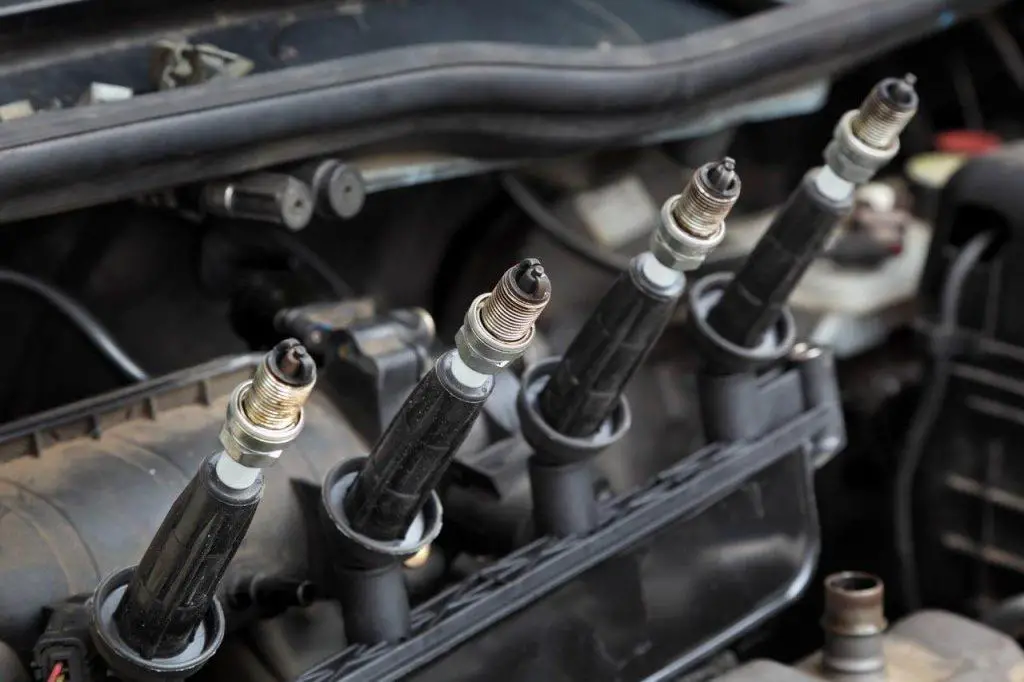
Now, why the cylinder isn’t playing its role can be due to several reasons? The first reason can be worn-out spark plugs.
In most cases, these plugs work well up to 100,000 miles, and if you don’t replace them on time, they are likely to create a problem with the cylinder’s operation.
The second reason can be faulty coils. The coils are responsible for producing the spark the cylinder needs to ignite each time the crankshaft event occurs.
So, you can also have the coil checked by a repairer and proceed with replacement if necessary.
A Few More Reasons!
The third reason why the check engine light is on and the car is shaking could be a faulty intake manifold gasket. These gaskets work as a seal, and when the gasket loses its ability, it causes engine overheating.
Besides engine overheating, if you notice a coolant leak, it’s a symptom that there is a problem with the gasket. A broken engine mount also serves as a sufficient reason to produce vibrations while you are driving.
The mount keeps the engine attached to the car’s chassis. And when the mount fails, you experience a shaking car. All these reasons can explain why your cylinder isn’t firing when it should.
This issue needs to be resolved immediately, as driving with the check engine light flashing and the car shaking will further damage the components. As a result, it costs you more money, and that’s something nobody wants.
What Are Your Options Regarding Any of These Issues?
The first, and recommended, option in case of car shaking and the check engine light coming on, is to take the car to a local dealer or a repair center where a particular brand of cars is serviced.
Since the people working here are professionals and they are familiar with a particular brand, this is an advantage.
The second option is to take your car to an independent auto repair center. Usually, the repairers working in these centers work on all vehicles, regardless of their brand.
Furthermore, they charge you less than local dealers. Learn more about how to properly maintain your car here.
As a third option, you can do it yourself if you have good knowledge of reading the code form using an OBD-II scanner and performing the repair accordingly.
There are many websites selling scanners, and they are generally inexpensive devices.
Nevertheless, an inexperienced car owner should not opt for the DIY option. It could cause more damage to your car.
FAQ on Flashing Check Engine Light and Car Shaking
- Is it safe to drive if my car’s engine is shaking?
If you notice continuous shaking in your automobile, it is advisable to address the issue immediately before continuing to drive.
Driving with the car shaking and the check engine light on can lead to more damaged components, damaged tires, and other costly problems that could have been avoided by a quick move to your repair shop.
- How far can you drive with a flashing check engine light and a shaking car?
Since the severity of the problem varies, there is no set time limit. However, it is generally not recommended to drive more than a few miles with a flashing check engine light.
To avoid putting yourself or others in danger, have the car towed to a repair shop rather than driving it.
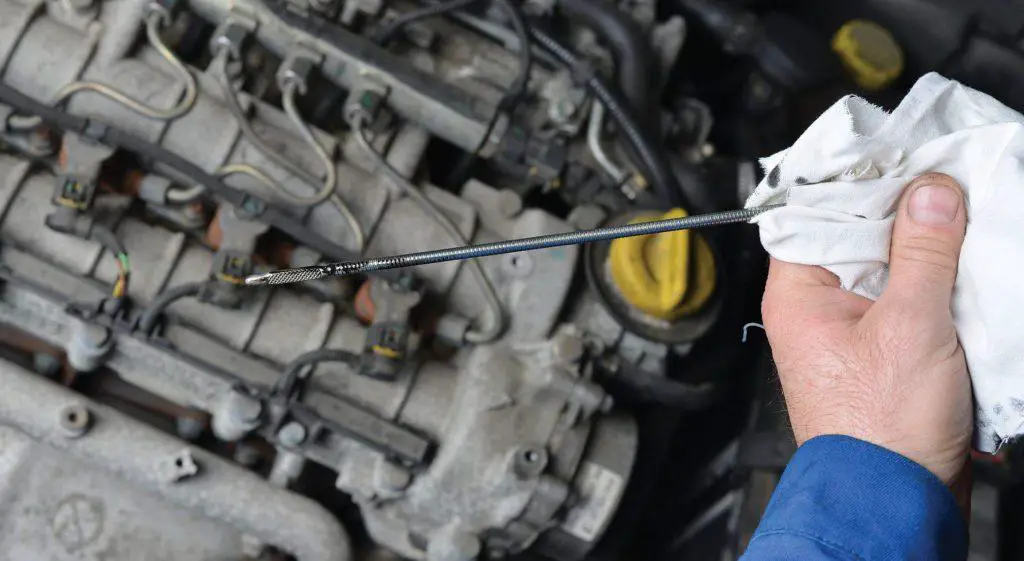
- Can low oil level cause a flashing check engine light?
Low oil pressure is a typical reason why the check engine light comes on, and it can significantly harm your vehicle’s performance. If this is the case, your oil light will usually come on as well.
- Why does my check engine light flash and then go off during acceleration?
Something is wrong with your engine if the check engine light is flashing. You should stop and turn off your vehicle as soon as you can do so safely.
During acceleration, the check engine light flashes and white exhaust gases come and go, indicating a stuck fuel injector.
- When the check engine light is flashing, what is the first thing to inspect?
You should always check your gas cap first. Many cars include a loose gas cap indication, which will activate before the check engine light comes on.
If your gas cap is loose or the seal is not tight, a vapor leak can cause the check engine light to come on.
Conclusion
You now know that faulty spark plugs, worn coils, or a leaking gasket can be the cause of the check engine light flashing and the car shaking.
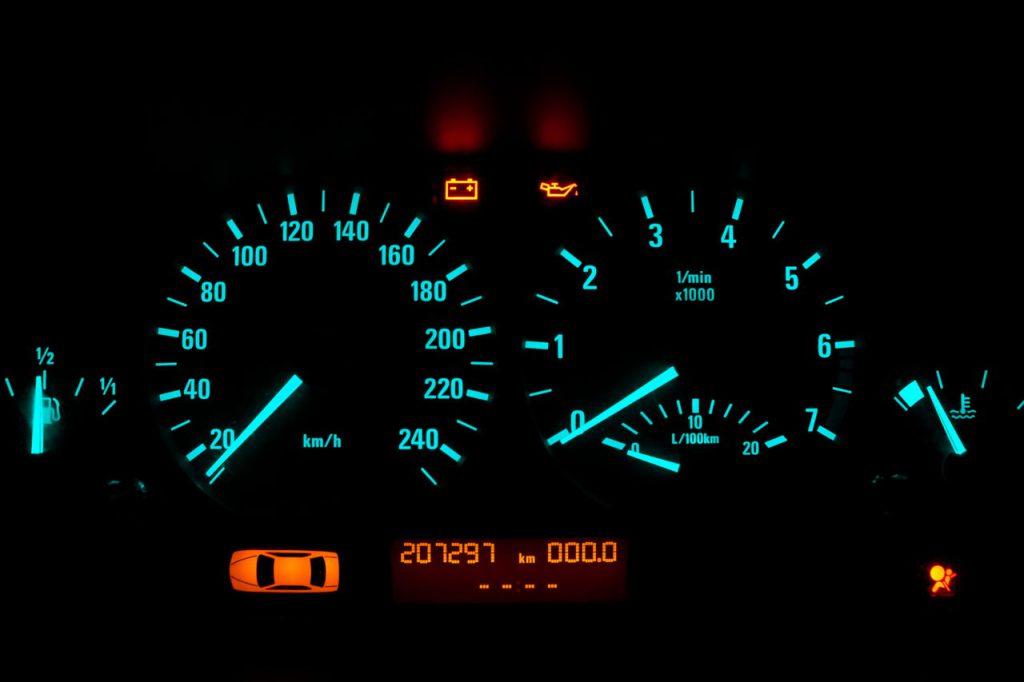
Regularly observe the dashboard lights and note which symbol appears in which color.
When you see any of the symbols in white, blue, and green lights, there is no need to worry. However, yellow and red lights recommend having your car checked.
Here, the self-diagnostic system can be a great help, but if you do not possess sufficient knowledge, we recommend consulting an automotive maintenance professional.