
The End of a Mechanical Legend
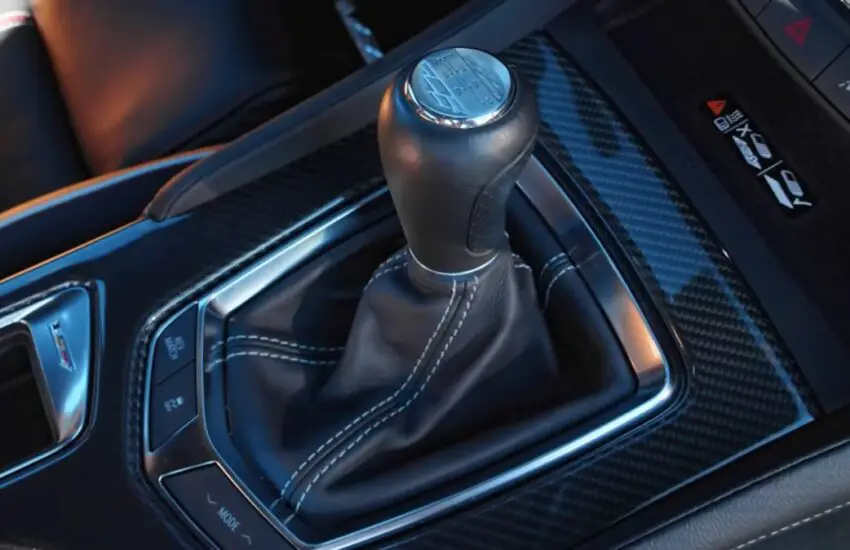
For decades, the heart of American performance was defined by a simple, visceral formula: a large displacement V8 engine paired with a precise, mechanical manual transmission. This combination created an unrivaled driving dialogue, a direct connection between man and machine celebrated in muscle cars and sports coupes. The six-speed manual, in particular, became the gold standard, offering the perfect blend of aggressive acceleration and relaxed highway cruising. It was more than a gearbox; it was a symbol of pure, unadulterated driving passion.
Shifting Tastes and Technological Tides
The decline of the manual transmission is a story of converging factors. The relentless march of automotive technology has made modern automatic and dual-clutch transmissions astonishingly fast and efficient, often outperforming even the most skilled human driver in acceleration metrics. Furthermore, consumer preferences have shifted dramatically. The demand for convenience, fuel efficiency, and advanced driver-assistance features has marginalized the traditional three-pedal setup. For automakers, developing a low-volume manual option for a shrinking audience is increasingly difficult to justify from an engineering and cost perspective.
A Silent Showroom and a Cultural Loss
The consequence is a showroom that grows quieter each year. Models that once proudly offered a manual gearbox, especially the revered six-speed units known for their robust construction and crisp shifts, are dropping the option. This represents a significant cultural loss for automotive enthusiasts. The skill and engagement required to master a manual gearbox fostered a deeper understanding of vehicle dynamics. Its absence severs a tangible link to a driving heritage built on involvement, creating a generation of vehicles that are faster yet arguably less communicative and rewarding to drive.
The Legacy of the Third Pedal
While the future is undoubtedly automatic, the legacy of America’s great manual transmissions is secure among collectors and purists. These gearboxes represent an analog era of motoring, a time when driving was a fully immersive experience. Their gradual disappearance marks the end of a major chapter in automotive history, reminding us that progress sometimes comes at the cost of raw, mechanical emotion.