
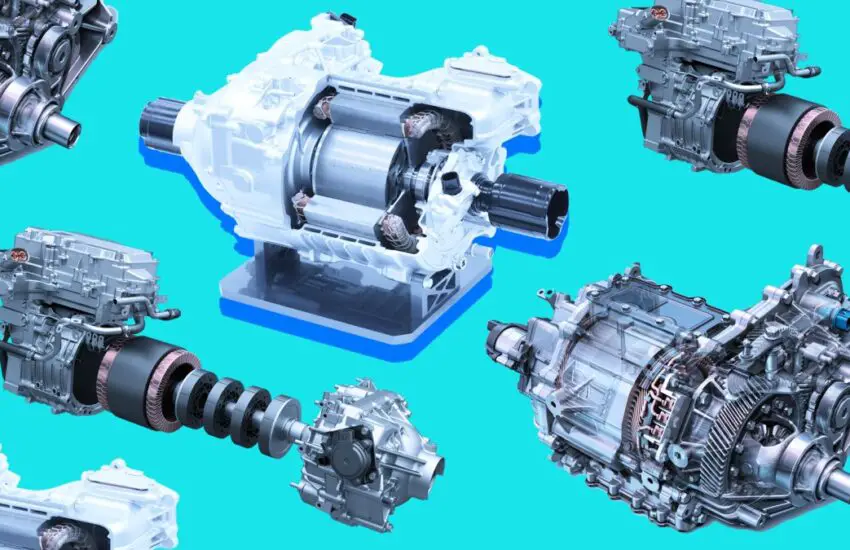
The Next Frontier in Electric Performance
While high-revving internal combustion engines capture headlines, a quieter but more profound revolution is underway in electric motor design. The pursuit of extreme rotational speed is shifting from the mechanical symphony of pistons to the silent whirl of electromagnetics. This race is not about sound, but about unlocking new dimensions of power density, efficiency, and packaging for the next generation of electric vehicles.
Why High RPM Matters for Electric Motors
Increasing the rotational speed of an electric motor is a direct path to achieving greater power output from a smaller, lighter package. A motor that spins faster can generate the same power with less torque, allowing for the use of smaller, lighter components. This translates to improved vehicle efficiency through weight reduction and more flexible design possibilities for engineers. The challenge lies in managing the immense centrifugal forces, advanced thermal loads, and bearing technologies required at such extreme velocities.
Engineering the Impossible
Pushing electric motors beyond 30,000 RPM presents a formidable engineering puzzle. Key hurdles include developing rotor materials strong enough to withstand catastrophic centrifugal forces and advanced cooling systems to manage intense heat generation. Furthermore, the supporting technology, such as ultra-high-speed gearboxes and power inverters capable of switching at phenomenal frequencies, must evolve in tandem. Breakthroughs in areas like carbon fiber composite rotors and direct oil cooling are making these dizzying speeds a tangible reality.
The Future of High-Speed Electrification
The implications extend far beyond supercars. Success in this high-RPM race will cascade down to mainstream EVs, enabling more compact drive units that free up cabin or battery space. It also opens doors for novel applications in aerospace and industrial machinery. As material science and electromagnetic design advance, the 30,000 RPM mark appears not as a ceiling, but as a stepping stone toward even more compact and powerful electric propulsion systems that redefine performance parameters.