
Numerous studies have shown the very positive impact of implementing advanced road safety technologies in reducing road accidents and deaths. It goes without saying that safer vehicles lead to safer roads. This is why government bodies and organizations like the EU are making certain safety systems, such as stability control technology, a mandatory requirement for modern car manufacturers.
Nowadays, there are countless prevention systems and technologies, developed by the world’s leading car manufacturers. They can be classified as passive or active car safety devices.
ACTIVE VS PASSIVE SAFETY FEATURES
The key difference between the categories lies in the purpose of the automotive components. An active system is a system designed to prevent an accident or fatal incident from occurring. For example, this can be done by providing assistance with braking, visibility, or steering. These features are typically electronically controlled and operate continuously while the vehicle is in motion. In contrast, passive systems are used to mitigate the risk of serious injury or death in the event of a road accident.
WHAT SAFETY FEATURES ARE AVAILABLE ON AUTOMOBILES?
Examples of active features:
- Anti-lock Braking System (ABS)
It is designed to prevent a loss of traction and prevent the wheels from locking by increasing and releasing brake pressure on the individual wheels. It increases the vehicle’s stability and handling during emergency braking. The system consists of a control module, speed sensors, valves, and a pump. - Electronic Stability Control (ESC)
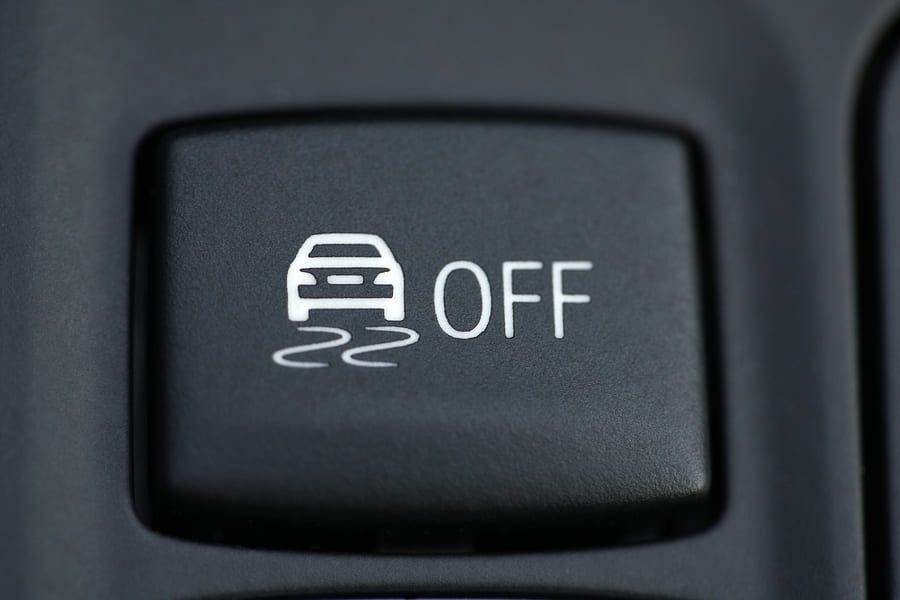
Also known as Electronic Stability Program (ESP), this technology automatically reacts when it detects a loss of traction or control to counteract skidding and prevent the vehicle from veering off the road. It does this by monitoring data from wheel speed, yaw rate, steering angle, and lateral acceleration sensors. This information is analyzed 25 times per second. The control unit can automatically reduce power or apply individual brakes to maintain stability. Research conducted in the UK has shown that ESC can reduce the likelihood of a collision by 25%.
- Blind Spot Detection (BSD)
BSD sensors actively monitor the blind spots at the rear and sides of the car for vehicles or other objects that could cause a collision. Once a threat has been detected, the driver is alerted by a visual or audible warning. Some systems also include a camera. - Tire Pressure Monitoring System (TPMS)
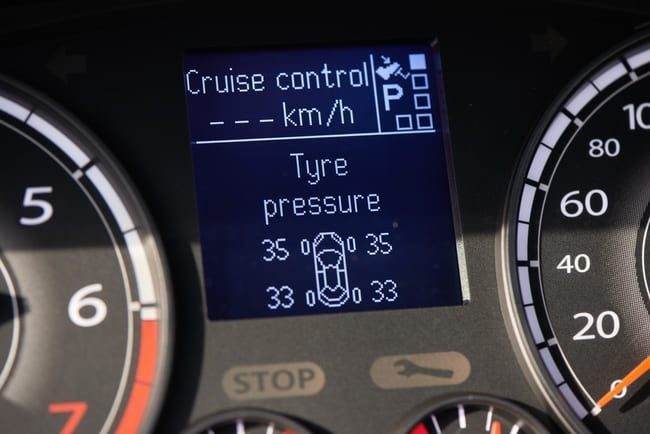
This system monitors tire pressure on various vehicles, providing real-time information via a gauge, digital display, or pressure warning light. There are two types of TPMS: direct and indirect. A direct TPMS uses pressure gauges to directly determine the actual air pressure levels in the tires. This information is then transmitted to the onboard computer. Indirect systems, on the other hand, use ABS wheel speed sensors and identify a pressure problem when one or more tires rotate faster than the others.
- Adaptive Cruise Control (ACC)
ACC is an autonomous technology that monitors other vehicles and obstacles on the road and adjusts the vehicle’s speed accordingly to maintain a safe distance. Vehicles equipped with ACC are fitted with a laser or radar scanning system that examines the road ahead. Drivers can easily activate the technology and set their preferences using the control buttons. Normal cruise control only allows the driver to maintain the car at the same speed without constantly keeping their foot on the pedal, and is not capable of making intelligent adjustments based on the vehicle’s environment. - Lane Departure Warning
This is a camera that detects markings on the roads to indicate which lane the vehicle is in. If the devices determine that the car is drifting out of the lane, a visual or audible warning notification is triggered.
Examples of passive safety features:
- Airbags
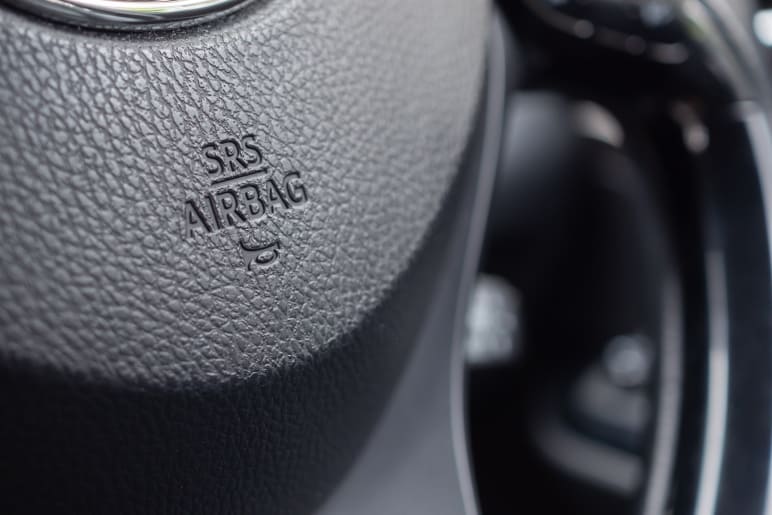
Commercially introduced in the 1970s, the airbag is an inflatable device that rapidly expands upon impact to protect the front seat occupants of the vehicle. It serves as a protective cushion to prevent them from hitting the dashboard, steering wheel, or other components. - Seat Belts
We all know the car seat belts that lock to prevent our bodies from being ejected from the seats in the event of an accident. The common safety component may also be known as a restraint device, as it limits the movement of the driver and passengers while distributing the force of the collision over a large area. - Whiplash Protection (WLP)
The system consists of seat backs and headrests designed to absorb energy upon impact, thereby reducing whiplash-related injuries. - Occupant Detection Systems
Sensor technology detects when a person occupies a car seat and whether the airbags should be activated or not in the event of an accident.