
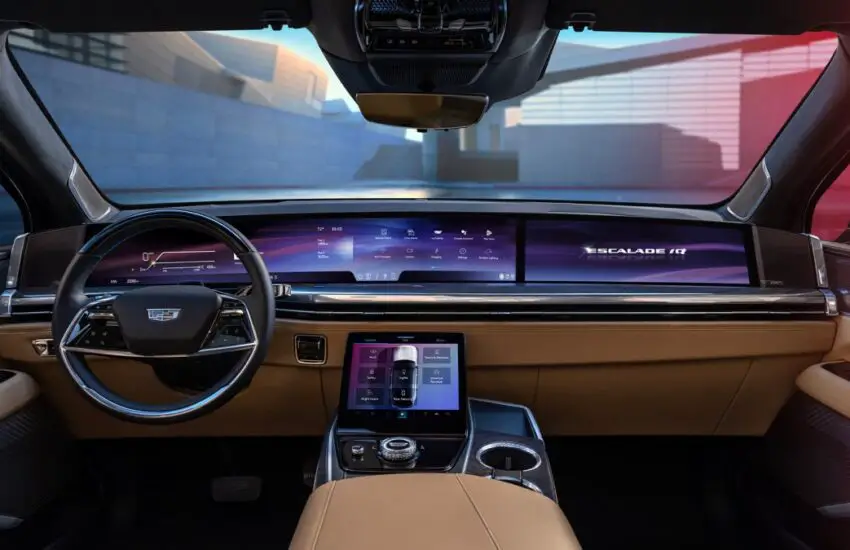
The Rise of the Digital Dashboard
The modern car interior is undergoing a radical transformation. Where once there were clusters of physical buttons, knobs, and gauges, expansive digital screens now dominate the dashboard. This shift from tactile controls to touch-sensitive glass is not a fleeting trend but a fundamental redesign of the driver’s environment, driven by a convergence of technological and economic factors.
Beyond the Hype: The Real Drivers of Change
Manufacturers are not simply adding large screens for aesthetic appeal. The primary driver is functionality and integration. A central touchscreen acts as the hub for increasingly complex vehicle systems—navigation, entertainment, climate control, and driver assistance features. This centralized approach simplifies wiring harnesses and allows for seamless over-the-air software updates, enabling new features long after purchase. Economically, a single scalable screen unit can be cheaper to produce and install than dozens of individual switches and components across different car models.
The User Experience Trade-Off
This evolution presents a significant trade-off. Proponents argue that digital interfaces offer unparalleled customization, cleaner aesthetics, and intuitive menus that can be updated and improved. However, critics highlight a critical flaw: the lack of tactile feedback. Adjusting climate settings or audio volume on a touchscreen often requires a driver’s visual attention, potentially increasing distraction compared to the muscle memory used with a physical knob. The quest for a minimalist, futuristic cabin can sometimes come at the cost of immediate, intuitive control.
Looking Forward: The Road Ahead for Interface Design
The future of in-car interfaces is likely a hybrid one. The industry is already responding to feedback with solutions like retained physical controls for critical functions, improved voice commands, and haptic feedback that simulates button presses on screens. The ultimate goal is to create a system that offers the flexibility and power of software without compromising safety or intuitive usability. The invasion of screens is complete; the next phase is their intelligent integration.