
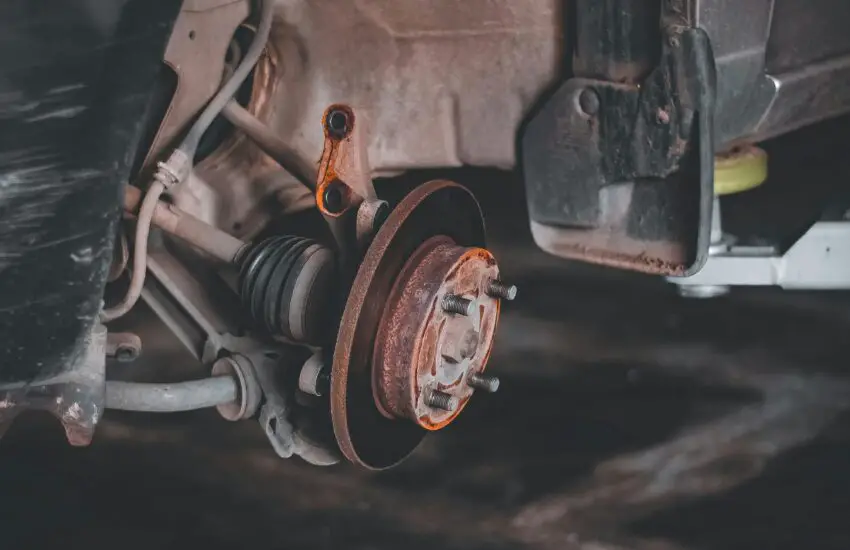
The Crucial Importance of Regular Brake Checks
Regular brake checks are a fundamental element of automotive maintenance to ensure the safety of vehicle occupants and other road users. In this article, we will explore why these periodic inspections represent an essential measure to prevent potential accidents and maintain the effectiveness of the braking system.
Why Are Regular Brake Inspections Essential?
Optimal Road Safety
The primary reason for regular brake checks lies in safety. Brakes are a vital component of any vehicle, and their malfunction can lead to dangerous situations on the road. By performing periodic inspections, you can identify any issues early and prevent accidents before they occur.
Early Detection of Anomalies
Regular checks allow for the detection of potential braking system problems before they become critical. This proactive approach saves you time and money by addressing minor failures before they evolve into more complex and costly repairs.
Extended Lifespan
Regular inspections and maintenance help prolong the longevity of your brakes. By replacing worn brake pads and promptly addressing any other issues, you ensure optimal performance of your braking system over an extended period.
Preservation of Resale Value
Proper maintenance, including regular brake checks, contributes to maintaining your vehicle’s resale value. A well-maintained automobile with a reliable braking system holds undeniable appeal for potential buyers.
Warning Signs Requiring Brake Inspection
Abnormal Noises During Braking
Unusual noises such as squeaking or grinding when braking clearly indicate that your brake pads are likely worn and require urgent replacement.
Soft or Spongy Brake Pedal
If your brake pedal feels soft or spongy when pressed, this may signal the presence of air or moisture in the brake lines, significantly affecting braking performance.
Vibrations During Braking
Noticeable vibrations in the steering wheel or brake pedal during braking can reveal warped or unevenly worn brake discs, requiring immediate inspection.
Increased Stopping Distances
If you notice your vehicle takes longer to stop than before, or if the braking distance has significantly increased, this indicates reduced effectiveness of the braking system.
Brake Pad Wear Indicator
The appearance of the brake pad wear indicator on your dashboard signals the need for a prompt inspection by a qualified professional.
Recommended Frequency for Brake Checks
Experts generally recommend having your brakes inspected every 20,000 kilometers or at least once a year, depending on your driving style and usage conditions. Drivers who regularly cover long distances or drive in dense urban environments should consider more frequent inspections.
Components Examined During a Complete Check
A thorough brake inspection includes examining brake pads, discs, calipers, drums (if applicable), brake fluids, lines and hoses, as well as the brake assistance system. Each element plays a crucial role in the overall effectiveness of the system.
Environmental and Economic Impact
Beyond safety, well-maintained brakes help reduce fuel consumption and minimize premature wear of other vehicle components. Regular maintenance therefore represents both an ecological and economical choice for every responsible motorist.