


Ever since the very first cars hit the road, people have been trying to steal them. So, to stop these sticky-fingered car lovers, inventors worked their way to developing a proper anti-theft system.
The thing with anti-theft systems is: they’re great – until they’re not. Of course, no one wants their car stolen while they’re away, but what’s the point of having a car if you can’t drive it at all?
But how exactly do anti-theft systems work and how do you fix them if they start acting up?
Keep reading about the anti-theft system Car won’t start and we’ll break down everything you need to know to get back on the road in no time!
Anti-Theft Systems – A Brief History
Believe it or not, electronic immobilizer devices have been used in vehicles for over 100 years. According to Jalopnik, the state-of-the-art anti-theft system was invented by two men from Portland, St. George Evans and Edward Birkenbuel, who patented the device in 1919. A relatively identical system used in cars today.
Before the invention of the immobilizer, anti-theft systems consisted of removable steering wheels and wheel locks that kept car thieves away. While electronic immobilizer technology has been around for over a century, this anti-theft system only became standard for vehicles in the late 1990s. Several countries – including Germany and the United Kingdom – required automakers to sell all new cars equipped with anti-theft systems.
But while electronic immobilizer technology has been around for over 100 years, it only became standard in vehicles in the late ’90s. Indeed, in 1998, several countries – including Germany and the United Kingdom – required manufacturers to sell all new vehicles with their installation.
So, instead of producing several vehicle lines for those without the system, most manufacturers chose to install the approximately $50 anti-theft system in all their new vehicles.
What is an Anti-Theft System?
Modern cars are all equipped with an anti-theft system – but the one that will prevent your vehicle from starting is the electronic immobilizer anti-theft system.
Several countries required manufacturers to install immobilizer devices on all new vehicles in 1998 – and since then, they have become standard on pretty much every vehicle.
The Economic Journal reports that they have reduced car thefts by 40 percent since 1995. Nowadays, they are so common that every new car in the United States has one.
How Does an Anti-Theft System Work?
The system itself is relatively simple and easy to use. Your car key is equipped with a transponder. This transponder emits a signal picked up by a receiver in your car when you turn the ignition to start your vehicle. If the signal matches, the car will start.
If the signal does not match, you will not be able to start the vehicle, even if all the tumblers fit. Each vehicle has its own signal – so even if you have a different key from the manufacturer in the car, it won’t work.
Although the system is very effective at preventing car theft, it is not foolproof. Signals can be spoofed – or copied – and then used later to steal your car. For cars equipped with remote start systems, all you need is that signal!
The Car Alarm Vs. The Anti-Theft System
While technically, the car alarm is an “anti-theft” system – it’s not what we’re talking about here.
Car alarms can be loud and useful for scaring off burglars, but they work best at preventing the theft of things inside the car than the car itself. In fact, even if the car alarm goes off, you can still start it, provided you have the proper key and the electronic immobilizer anti-theft system is working correctly.
Meanwhile, the immobilizer anti-theft system won’t make a sound, but it will prevent a potential thief from driving off with your car. On the other hand, the system tends to act up, so it might prevent you from starting the engine.
Troubleshooting a Faulty Anti-Theft System
Just like all components of your vehicle – if it works now, at some point, it may break; the same goes for an anti-theft system. Although anti-theft systems are quite reliable, they sometimes act up, and it’s important to know what to do if something like that happens to you.
How to Identify a Faulty Anti-Theft System
Before diving into the anti-theft system to understand what’s wrong, you need to check what exactly the problem is!
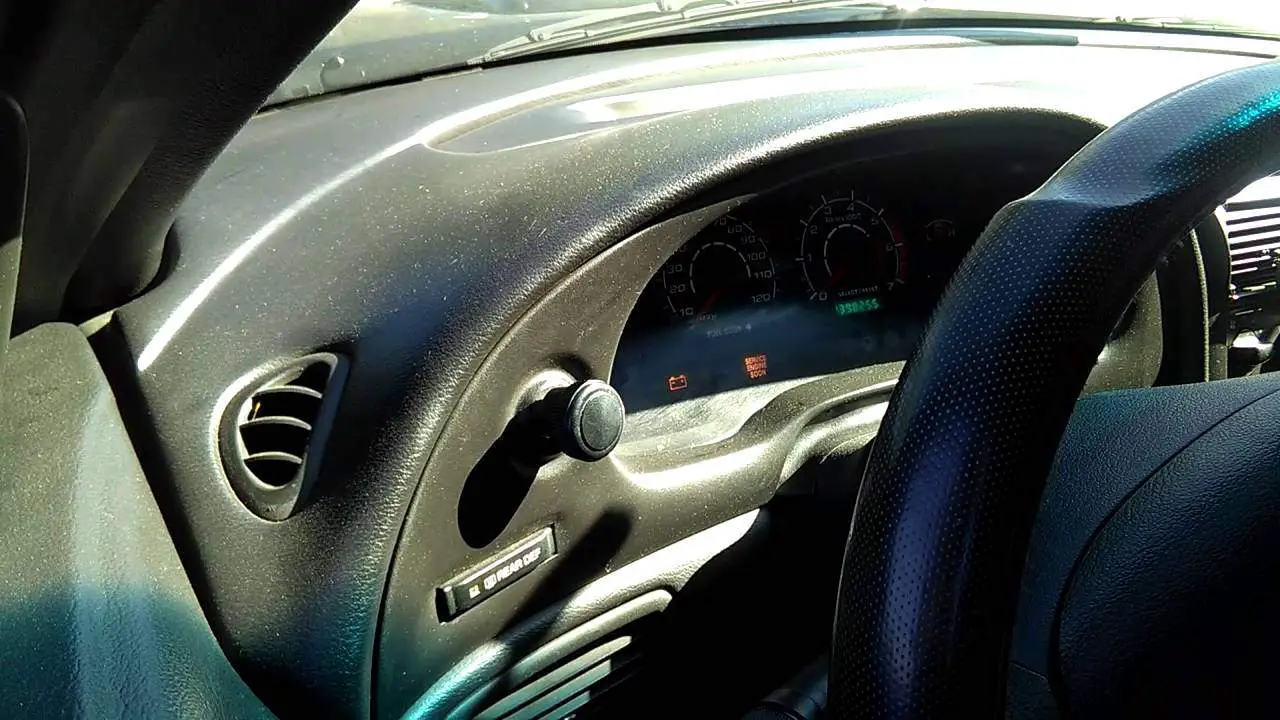
If your anti-theft system is working, you won’t be able to start your car. Additionally, you’ll notice a light with a lock or a key on your dashboard (depending on what you’re driving). This is your security/anti-theft light. Sometimes, your vehicle’s ECU will turn on this light along with your check engine light.
This light may appear even if the key is the problem – because it’s not picking up the transponder code. It will light up when you try to start the car – even if everything in the system is working correctly!
Step-by-Step Guide to Troubleshooting Your Anti-Theft System

Always Start with the Battery
Whenever you troubleshoot an electrical problem, start with the battery. Your vehicle may trigger the security light because the receiver isn’t getting enough power – and that’s probably also why your car won’t start.
Faulty or depleted batteries are one of the most common reasons for a “faulty anti-theft system.” It’s also one of the most manageable problems to solve, but also one of the most overlooked. You can spend days chasing your tail if you don’t start with the simple things!
Reset the System
If you’ve checked the battery and everything seems normal, the next thing to do is reset the system. This may sound difficult, but it’s actually one of the simplest things you can do.
All you have to do is disconnect the positive terminal of the battery and leave it off for about 15 minutes before reconnecting it. This resets all the electronic components of your vehicle, including your anti-theft system.
It may not seem like it does much, but if your vehicle’s anti-theft immobilizer is triggered, it sometimes won’t reset unless you reset the entire system.
Check if the Steering Wheel is Locked
If you’re inside the car and can’t turn the key at all, it might be because the steering wheel is locked. Typically, this happens after the steering wheel, someone or something slightly turned the steering wheel after the key was removed from the ignition.
This problem is more annoying than anything else and is relatively easy to solve, even if it requires a bit of persistence.
All you have to do is jiggle the steering wheel a bit until it loosens. You’ll feel the noticeable difference. Sometimes, you may need to turn the key in the ignition while trying to turn the wheel to get it to loosen.
Take a Closer Look at Your Key
This is the easiest component to see and the easiest to check for obvious defects. Every key has a transponder – and if that transponder is broken or missing, you won’t be able to start your car.
If you find a problem with the key, you’ve probably found your issue. If you have a spare key, this is extremely easy to check.
Just try starting the vehicle with a spare key after resetting the system. If it starts, you’ve found the problem!
You’ll need to replace the key – as most manufacturers won’t repair just the transponder chip.
Read the Code!
If you’ve completed the previous steps and are still struggling with the anti-theft system, it’s time to read the code.
Just like a check engine light, a code reader will tell you why the light is on. It could be that the receiver isn’t getting a signal from the key or that your receiver isn’t powered.
A code reader won’t tell you what you need to replace, but it will point you in the right direction.
Troubleshoot and Replace the Highlighted Component
This is where things get a bit complicated – as there are tons of different codes, you can follow tons of troubleshooting trees.
But when troubleshooting, keep the basics in mind. If you know how the system is supposed to work, you can’t explain why it’s not working based on the code data. If the receiver isn’t getting a signal, it’s one of two problems: the receiver or the transponder.
In either case, you’ll need to get a key matching the new receiver – might as well save some time and replace both components.
However, if a lack of power is your problem, you’ll need to dive into your electrical troubleshooting – or hand it over to a mechanic.
Summary
While electronic immobilizer anti-theft systems can give you a few headaches here and there – it’s worth it – given how many car thefts they prevent each year.
In fact, car theft has become so tricky without a key in recent years that it’s almost exclusively done by professionals. Carjackers are a thing of the past – and professionals need a ton of training.
You might be cursing the system while your car won’t start – but once everything is back to normal, you’ll be glad you have it!