

The car accelerates on its own at idle. Idling is the process of keeping a car stationary while the engine is running, but the vehicle is not moving. This occurs when no gear is engaged, the accelerator pedal is not pressed, and the brakes are applied. Idling is necessary in many situations, for example, when waiting for a traffic light to turn green or when you don’t feel the need to turn off the engine. Sometimes, idling increases the RPM until the engine is fully warmed up. But the problem arises when the RPM remains set at a high level even after the engine is warmed up. If you experience a car that idles and accelerates on its own, here is your solution.
The Car Idles and Accelerates on Its Own – Why Does the Engine Idle?
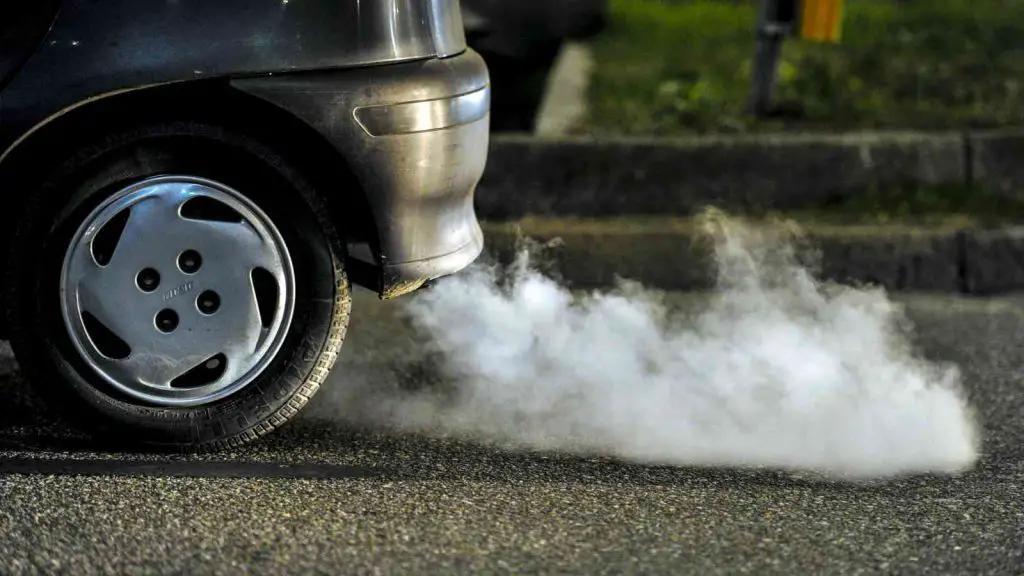
What does it mean when your car idles? When a car idles, it means the engine is running at a faster speed than it should when the vehicle is in a stationary position and the accelerator is released. Normally, a car’s engine should maintain a constant and relatively low idle RPM when it is not moving.
Several potential causes can lead to high engine idle:
Faulty or Stuck Idle Air Control (IAC) Valve
The IAC valve is responsible for regulating the amount of air that bypasses the throttle plate when the accelerator pedal is released. If the valve sticks or malfunctions, it can allow too much air into the engine, causing the engine to idle at a higher RPM.
Vacuum Leak
A vacuum leak occurs when there is an unintended entry of additional air into the engine. This can be due to a cracked or disconnected vacuum hose, a leaking intake manifold gasket, or a faulty brake booster, among other things. The extra air disrupts the proper air-fuel mixture, leading to high idle.
Throttle Body Issues
A dirty or faulty throttle body can affect the proper operation of the throttle plate, which controls the amount of air entering the engine. If the throttle plate does not close completely when you release the accelerator pedal, the engine may idle at a higher RPM.
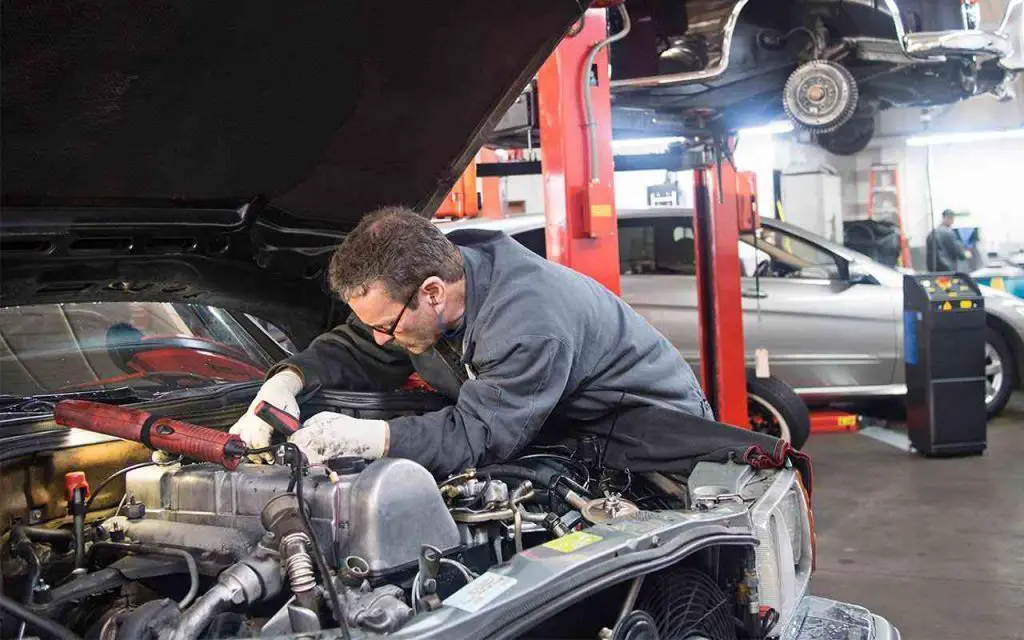
How can you handle this issue? Sometimes, it’s easy to fix the problem by referring to the codes. If you encounter a flashing error code, you can either use a code reader or entrust your car to professionals.
If there don’t seem to be any error codes, you can check the idle air control valve / bypass air control or have it checked. There may be debris that can be cleaned, and the idle problem is resolved.
Possible Causes of High Idle RPM
If the car idles and accelerates on its own, there may be reasons. Consider these reasons to identify the true root of the problem.
- Sometimes, the fuel supply circuit malfunctions and is responsible for high idle.
- There may be a fault in the cooling system causing the engine to overheat.
- The fuel pressure regulator may be a reason that requires repair or replacement.
- You may need to work with the ignition timing.
- A leaking hose could be the cause.
- There may be issues with the engine control system.
You see, there can be many reasons behind the idle problem. If you can’t find the actual root cause, it’s always advisable to entrust the vehicle to professionals.

Why Does the Engine Accelerate on Its Own?
Sometimes, with high idle, you also notice that the engine accelerates automatically, even if you give no command. A faulty throttle body could be the cause; if it sticks, it can cause acceleration. Refer to the car’s maintenance tips and resolve any issues.
The most common reason could be the floor mat that may jam the pedal. As a result, the pedal does not return to its precise position, causing acceleration. You can have the accelerator checked and ask the repairer to replace it if there’s a problem.
You can check the floor mat yourself and ensure it doesn’t interfere with the accelerator pedal in any way. Nothing should be stuck in the accelerator pedal; clean the area to check.
Conclusion
Ultimately, you should always have the error codes diagnosed. You can either fix the problems yourself or entrust the car to professionals and resolve the issue.