
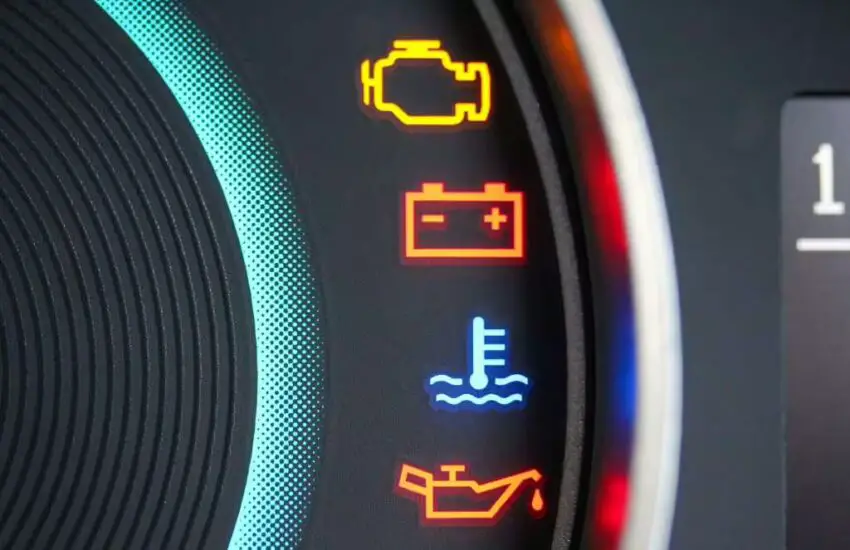
Have you ever glanced at your dashboard and noticed that a blue coolant light comes on when starting the car? Don’t panic!
It’s not necessarily a sign of imminent trouble for your vehicle. This blue light is likely your car’s coolant temperature warning indicator, and its initial illumination is actually a good thing.
Let’s dive into the world of automotive coolant and discover what this blue light means. We’ll see why it lights up when you start your engine and what it signifies for your car’s overall health.
Understanding the Cooling System
Your car’s engine generates intense heat during operation. To prevent overheating and potential damage, a vital system called the cooling system circulates a special liquid mixture throughout the engine.
This coolant absorbs heat and transports it from the engine block to the radiator, where it is released into the air.
The Role of the Coolant Light on the Car
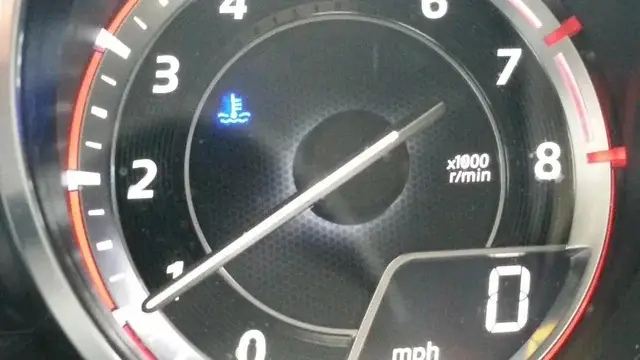
The blue light on your dashboard acts as a coolant temperature gauge. When you start your engine, it is cold, and the coolant hasn’t had time to circulate and reach its optimal operating temperature.
That’s why the blue light comes on; it simply informs you that the engine coolant is currently below its ideal temperature.
Why is the Blue Coolant Light Coming On When Starting the Car Normal?
This initial blue light indicates a positive aspect. The vehicle’s computer system performs a health check, verifying that the coolant temperature sensor is functioning correctly and is ready to monitor the engine temperature throughout your journey.
This ensures the system can effectively manage the engine temperature once it reaches its optimal range.
When the Blue Coolant Light Comes On When Starting the Car is a Warning
Although the blue light at startup is normal, other situations warrant attention. Here are some issues you should notice because you risk ignoring them!
Persistent Blue Light
The blue coolant light serves as a guardian of your engine’s temperature.
While its initial illumination at startup is normal, a blue coolant light coming on when the car starts to remain on for an extended period (usually longer than a few minutes) after you begin driving indicates a potential problem: the engine is not reaching its ideal operating temperature.
Faulty Thermostat
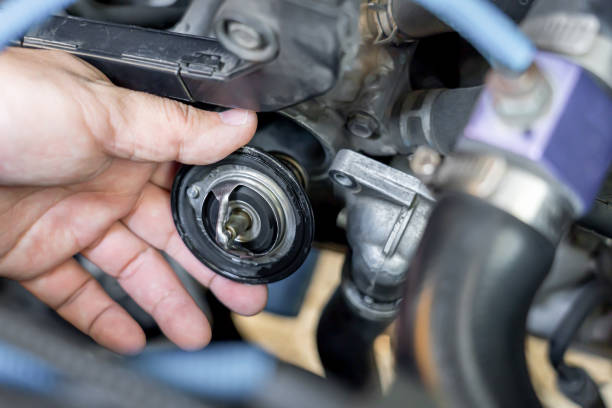
The thermostat plays a crucial role in regulating the flow of coolant to the engine. Imagine it as a valve that opens and closes based on engine temperature.
When the engine is cold, the thermostat remains closed, limiting coolant flow and allowing the engine to warm up faster.
When the engine reaches its optimal temperature, the thermostat gradually opens, allowing the hot coolant to circulate and regulate the engine temperature.
However, if the thermostat malfunctions and remains stuck in the open position, it acts like a faulty guardian. Coolant constantly circulates through the engine, regardless of its temperature.
The constant circulation of cold coolant prevents the engine from reaching its ideal operating temperature range, triggering the persistent illumination of the blue light.
Coolant Level
The coolant absorbs heat and transports it to the radiator to be dissipated. But like any superhero, coolant must be present in sufficient quantity to be effective.
When the coolant level in the system falls below the recommended level due to leaks or a lack of regular maintenance, the remaining coolant faces a more difficult task. It is simply insufficient to effectively absorb and transfer all the heat generated by the engine.
This issue can lead to the engine not reaching its optimal operating temperature and the blue coolant light coming on when the car starts as a warning sign.
Faulty Coolant Circulation System
Consider the coolant circulation system as a network of highways inside your car. The water pump acts as a powerful pump, pushing coolant through this network of pipes and hoses.
The radiator functions as a heat exchanger, where the hot coolant releases its captured heat into the air.
If a component in this system fails, it can disrupt the regular circulation of coolant. A faulty water pump may not be powerful enough to circulate coolant effectively.
A clogged radiator can hinder heat release, causing the coolant to remain hot. Clogged hoses can restrict coolant flow to certain areas of the engine.
Any of these problems can prevent the engine from reaching its optimal operating temperature, causing the blue light to stay on as a warning.
Light Color Change or Flashing
The blue coolant light usually serves as a useful indicator for engine temperature. However, some car models adopt a more dramatic approach.
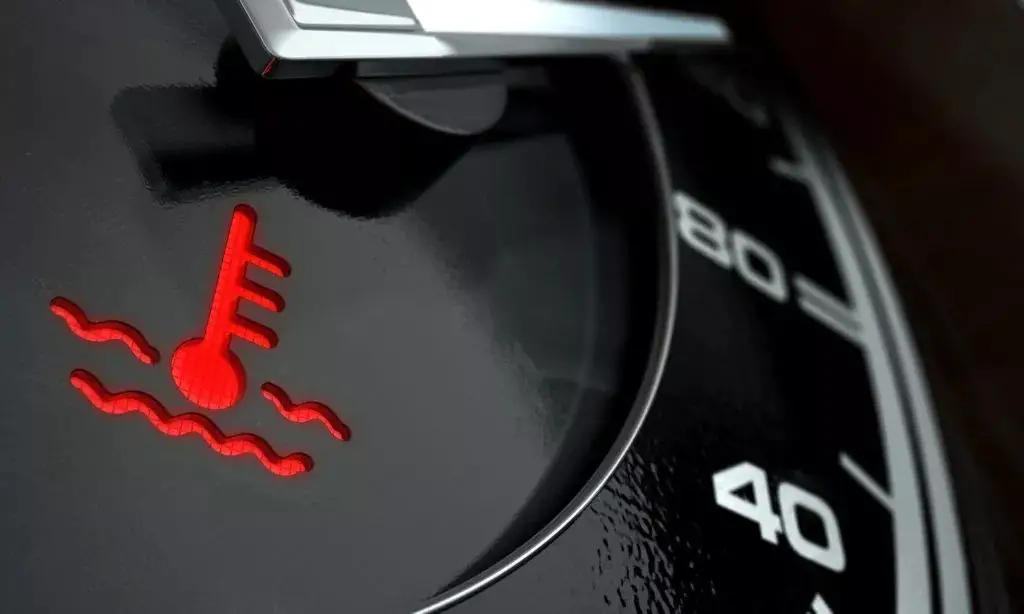
On these vehicles, the red coolant light comes on when starting the vehicle or the blue light may change color or start flashing when the coolant temperature reaches excessively high levels. This is an important warning indicating that your engine is overheating.
Engine Overheating
Imagine your car’s engine as that of an athlete. Just like an athlete, the engine generates a lot of heat during operation. The cooling system acts as a cooling mechanism, constantly circulating coolant to absorb this heat and transfer it away from the engine.
However, if the engine overheating warning light comes on, it means the cooling process is failing. The coolant temperature has reached a dangerously high level, and the engine is at risk of serious damage.
Engine overheating is a serious threat because extreme heat can warp metal components, causing internal friction and reducing efficiency.
In the worst case, pistons can seize or the cylinder head gasket can blow, leading to catastrophic engine damage and costly repairs.
If you see a flashing red coolant light, prioritize safety by stopping immediately and turning off the engine.
- Do not ignore the red or blue coolant light coming on when starting the car. Find a safe place to pull over as soon as possible and turn off the engine.
- Then, turn off all electrical accessories. This will help minimize the load on the engine and prevent additional heat production.
- Do not attempt to open the radiator cap when the engine is hot. The cooling system is under pressure, and opening a hot radiator can cause burns.
- Wait for the engine to cool down completely (ideally for at least 30 minutes) before attempting to check the coolant level.
- Once the engine has cooled, you can check the coolant level. If the level is low, adding coolant may be a temporary solution to get you to a mechanic.
The overheating problem requires professional intervention. A qualified mechanic can diagnose the underlying cause of the overheating, whether it’s a faulty thermostat, a failing water pump, a clogged radiator, or another issue.
Impact of Weather Conditions
Extremely cold weather can lead to the blue light staying on longer after startup. This is because the engine takes longer to reach its operating temperature under such conditions.
However, if the light remains on for an unreasonable duration even in cold weather, it’s best to consult a mechanic for a check-up.
Driving Habits and the Blue Light
Short trips often don’t allow the engine to fully reach its optimal temperature. If your driving habits consist mainly of short trips, you might see the blue light come on more frequently.
Driving shouldn’t be a major concern unless the blue coolant light comes on when starting the car and stays on during long journeys.
However, you should always be cautious and pay attention to your driving habits when on the road to avoid any unforeseen events.
FAQ
Why does the blue coolant light stay on longer in winter?
In cold weather, the engine takes longer to reach its optimal operating temperature. The blue coolant light may stay on longer during the winter months because the coolant is colder and takes more time to warm up.
Can driving with the blue coolant light on damage my engine?
Driving with the blue coolant light on is generally safe, as it simply means the engine is still warming up. However, driving aggressively or at high speeds before the engine is warm can increase wear and tear. It’s best to drive gently until the light goes out.
Does the blue coolant light affect my fuel efficiency?
Yes, driving with a cold engine can slightly reduce fuel efficiency because the engine runs richer (using more fuel) to warm up. Once the engine reaches its operating temperature and the blue light goes out, fuel efficiency should improve.
Why does the blue coolant light sometimes come on briefly even when the engine is warm?
This can happen if the engine experiences a sudden temperature drop, for example after driving through water or if the coolant level is low. It could also indicate a sensor problem, requiring a check by a mechanic.
Is it normal for the blue coolant light to come on after the car has been parked for a short time?
This can be normal. If the car is parked and the engine cools down, especially in cold weather, the blue coolant light may come on when you restart the car until it warms up again.
Will the blue coolant light come on if my thermostat is stuck open?
If the thermostat remains stuck in the open position, the engine may not effectively reach its optimal operating temperature, causing the blue coolant light to stay on longer or come on intermittently.
Can flushing the cooling system affect the blue coolant light?
After a cooling system flush, if the coolant level is not properly filled or if there are air bubbles in the system, the blue coolant light may behave unusually. Ensure the system is properly bled and filled after a flush to avoid this issue.
Watch this video from Nate Wade Subaru to find out why the blue light comes on on your dashboard!
Final Words
The blue coolant light is a valuable tool for monitoring your car’s engine temperature. While its initial appearance at startup is a normal phenomenon, pay close attention to how long it stays on and if it turns red.
By understanding this light and its function, you can ensure your engine operates at its optimal temperature, maximizing performance and avoiding overheating issues.
If you notice an abnormal blue coolant light coming on when starting the car, don’t hesitate to consult a qualified mechanic for a more in-depth diagnosis and repair to keep your car running properly.