
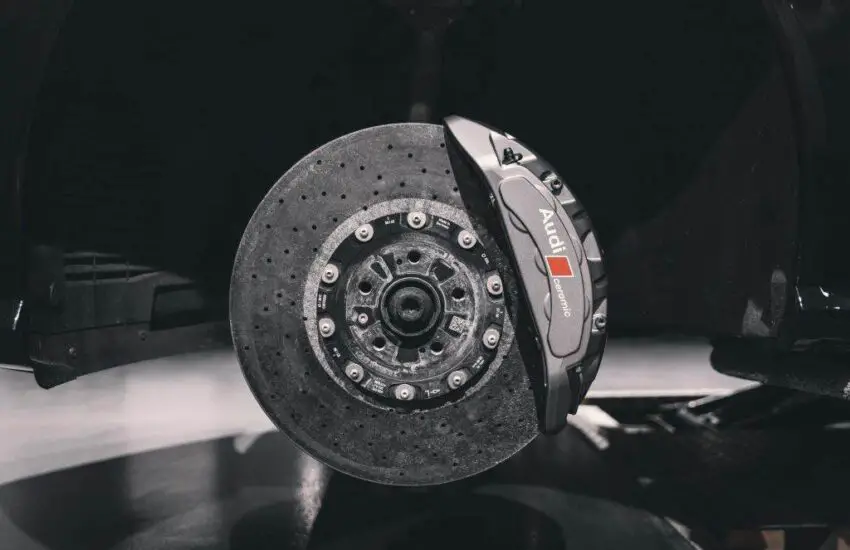
So, what are the advantages and disadvantages of drilled and slotted rotors?
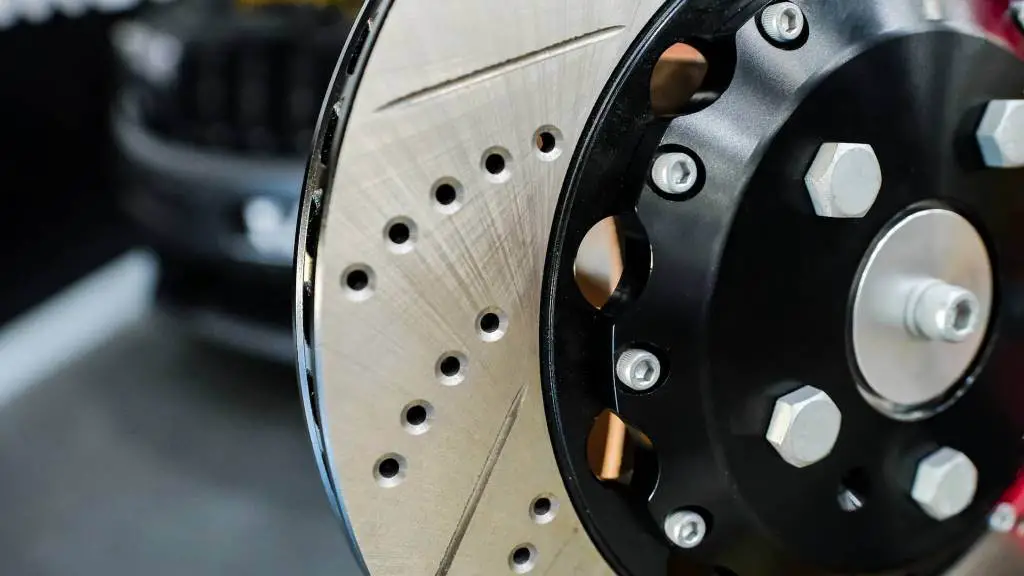
Drilled and slotted rotors are a type of brake rotor designed to improve a vehicle’s braking performance. The rotors are drilled with holes and grooves, which increases the surface area and enhances rotor ventilation. This can help dissipate heat more effectively and provide better braking performance.
These rotors have been known for some time, but they have become increasingly popular lately. Initially, they were mainly used in race cars and high-performance vehicles. The first drilled and slotted rotors were made of cast iron. But with technological advancements, they are now made from more effective materials such as carbon ceramic, composites, and aluminum. These rotors have been used in motorsports for over a century. And over time, the technology has evolved, and they are now accessible for everyday use vehicles.
Advantages and Disadvantages of Drilled and Slotted Rotors
Below are the advantages and disadvantages of drilled and slotted rotors for your reference.
Advantages of Drilled and Slotted Rotors
Improved Braking Performance
Drilled and slotted rotors offer driving performance that is more in demand than ever, thanks to their increased surface and ventilation effects. The holes and grooves on the rotor increase the surface area, allowing for more friction between the brake pads and the rotor. This additional friction improves the vehicle’s braking performance.
Drilling holes and grooves also allows for better heat dissipation. Temperature is one of the biggest enemies of brake performance, as it can cause brakes to fade or lose braking power. They can provide better and more stable braking performance by dissipating the heat generated during braking.
Increased Heat Dissipation
Holes and slots are drilled into the surface of the fan blades for more effective heat dissipation. This increased ventilation on the rotor allows hot air to escape and cooler air to enter the rotor. This helps reduce the temperature of the rotor and brake pads, preventing them from overheating and deforming.
Improved Braking in Wet Weather
The holes and grooves drilled into the rotor surface can push water away from the braking surface. When driving in rainy weather, water can accumulate on the brake disc, reducing the friction between the brake pads and the disc. This can reduce braking force, thereby improving braking performance in wet conditions. With better wet-weather braking, vehicle owners can enjoy a safer and more comfortable driving experience in the rain.
Enhanced Aesthetics
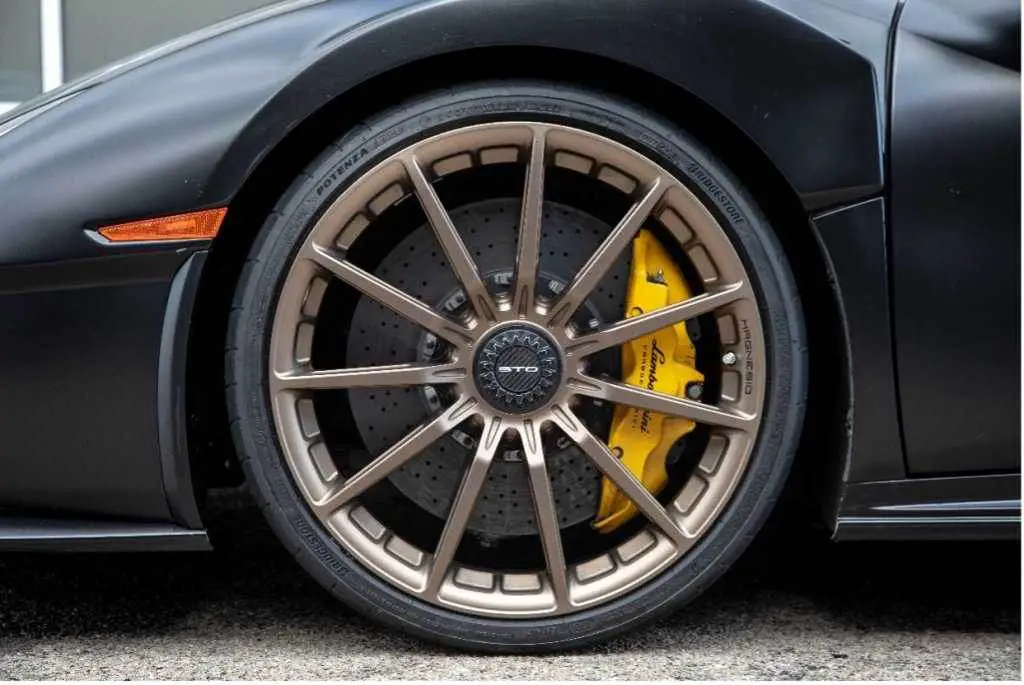
Drilled and slotted rotors can give the vehicle a sportier appearance, which can enhance its overall aesthetic look. The holes and grooves drilled on the rotor can give the car a sporty and high-performance look. This can be particularly appealing to car owners who want to customize and improve their vehicle’s appearance. Overall, they can be a way to stand out and make the car more unique.
Increased Stopping Power
Thanks to the improved design and ventilation system, drilled and slotted rotors have better stopping power than conventional types. The holes and grooves on the rotor increase the surface area, allowing for more friction between the brake pads and the rotor. This additional friction improves the vehicle’s braking performance.
Drilled and slotted rotors also allow for better heat dissipation. This keeps the rotor and brake pads cooler, preventing the brake pads from overheating and losing their braking power. This can significantly affect the vehicle’s braking power, especially in high-performance or high-speed driving conditions.
Better Performance on High-Speed Vehicles
The rotors can perform better in high-speed and high-performance driving conditions. Thanks to improved ventilation and design, drilled and slotted rotors can withstand higher temperatures and braking loads than conventional rotors.
They can also help improve the vehicle’s braking performance at high speeds, providing a safer and more enjoyable drive.
Extends Brake Pad Lifespan
Improved ventilation of drilled and slotted rotors can help extend the lifespan of brake pads. Drilled and slotted rotors can reduce brake pad wear by dissipating the heat generated during braking.
Additionally, the increased surface area of the rotor gives the brake pads more space to grip the rotor, resulting in a more even distribution of braking pressure. This can help avoid uneven wear on the brake pads. With a longer brake pad lifespan, vehicle owners can save time and money on brake pad replacement costs.
Reduced Vibrations
The design of drilled and slotted rotors reduces vibrations during braking, providing a better driving feel. The slotted or drilled holes will disperse heat, thereby reducing the annoying vibrations created during braking.
Additionally, the increased surface area of the rotor can help distribute braking pressure more evenly, which can also help reduce vibrations. This can result in a smoother and more comfortable driving experience.
Easy to Clean
The drilled holes and slots make it easier to clean brake dust, rust, and other contaminants. The drilled holes and slots can help remove dirt and brake debris. Since they are much easier to clean than conventional rotors, which can be quite difficult because brake dust and dirt can accumulate on the rotor surface. This can help keep the rotor surface clean and extend the rotor’s lifespan.
Better Durability
The design of drilled and slotted rotors makes them more durable and resistant to wear. The increased surface area of the rotor can help distribute braking pressure more evenly, which can help prevent rotor wear.
Additionally, the improved ventilation of drilled and slotted rotors can prevent the rotor from warping and cracking, which can extend its lifespan.
Reduced Brake Fade
Drilled and slotted rotors provide better cooling, which can reduce brake fade during high-performance driving. The rotor can become very hot during high-speed operation or under high-performance conditions, which can cause the brake pads to lose friction with the rotor and result in brake fade.
The fan blades are drilled and slotted for better ventilation, can dissipate heat more effectively, and can reduce brake fade. This can result in a safer and more enjoyable driving experience.
Better Warp Resistance
Thanks to the design of drilled and slotted rotors, they are less prone to warping or cracking under high temperatures and heavy use. The increased ventilation of drilled and slotted rotors can provide more effective heat dissipation, preventing the rotor from warping and cracking.
Additionally, the increased surface area of the rotor can help distribute braking pressure more evenly, which can also help prevent warping and cracking.
Disadvantages of Drilled and Slotted Rotors
Noise
Drilled and slotted rotors can make more noise than standard rotors, especially during high-speed braking. The drilled and slotted design can cause more vibration in the brake pads, leading to noticeable squealing or squeaking.
Compatibility Issues
Drilled and slotted rotors are not compatible with all vehicles and braking systems. It is essential to check the compatibility of drilled and slotted rotors with the specific vehicle make and model before purchasing and installing them. Additionally, drilled and slotted rotors may require specific types of pads and braking systems to function properly.
Reduced Brake Feel
Drilled and slotted brake rotors can negatively affect the “feel” of the brake pedal. Designs with holes and grooves can result in less pedal resistance, making it difficult for the driver to accurately gauge the braking force applied. This can lead to a less safe and less precise driving experience.
More Heat
Drilled and slotted rotors can generate more heat than standard rotors, leading to increased brake fade. This is because the hole and groove design can cause the brake pads to overheat more effectively, which can cause the brake pads to lose their ability to grip the rotor and reduce overall braking force. This can be particularly challenging during high-speed driving or in emergency braking situations.
Reduced Energy Efficiency
Drilled and slotted rotors can harm fuel efficiency. This type of rotor design pushes the brake pads to create more drag, forcing the vehicle to consume more fuel to maintain a steady speed. The disadvantages frequently affect vehicles on highways or over long distances.
Reduced Resale Value
Drilled and slotted rotors can negatively affect a vehicle’s resale value. Slotted models are often considered performance upgrades, making a vehicle less attractive to potential buyers who are not interested in performance enhancements.
Additionally, additional wear due to drilled and slotted rotors can negatively impact the vehicle’s resale value.
Reduced Stopping Force
Drilled and slotted rotors can reduce the overall stopping force of the vehicle’s braking system. Designs with holes and grooves can put extra stress on the rotors and brake pads, causing them to wear out more quickly, thus reducing their effectiveness. This can be particularly challenging in emergency braking situations, where maximum stopping force is required.
Requires More Maintenance
You may not know it, but drilled and slotted rotors require more maintenance to perform as typically as conventional rotors. Their design, with holes and grooves, can create more dust and debris, clogging the brake pads and causing them to wear out faster.
Additionally, the design can cause the blades to rust more quickly, requiring more frequent cleaning and anti-rust treatment.
Reduced Comfort
Drilled and slotted brake rotors can reduce the overall comfort of your vehicle’s braking system. The drill and slot design can produce more noise and vibrations, which can be transmitted through the brake pedal, causing discomfort for the driver and passengers.
Reduced Safety
Drilled and slotted rotors can reduce the overall safety of the vehicle’s braking system. Drilling and slotting designs can lead to faster wear of the brake pads, reducing their effectiveness and potentially increasing the vehicle’s stopping distance. A design with holes and grooves can more effectively cause the rotor to crack or warp, leading to brake failure.
Conclusion
We have gone through some advantages and disadvantages of drilled and slotted rotors. I hope this helps you decide on every necessary step with this type of rotor and to always be aware of the proper ways to maintain your car.