

Nowadays, people are very dependent on their vehicles. Whether it’s for going on vacation, to work, or to school, vehicles make our lives easier and more comfortable. It often happens that car engines do not start. When a car engine cranks but does not start, it is very likely that there is no spark from the distributor. When troubleshooting the problem, it is essential to know the exact reason.
No Spark from the Distributor: Why Does This Happen?
Many car owners struggle to start their vehicle’s engine. First, it is imperative to confirm that the car’s engine has no spark. Initially, ensure you have a fully charged battery before proceeding with tests.
You will need to disable the fuel system and use a spark plug tester. Finally, ask someone to help you crank the engine and look for a spark. You can stay informed about your car’s maintenance tips to improve the operation of your car’s engine.
Once it is clear that the engine has no spark, the second step is to find the reason. Here are some important reasons to help you identify the problems.
Crankshaft Position
First, check if there is a broken or loose wire connecting the sensors to the power control module. The crankshaft position sensor can help you find the crankshaft problem. This sensor tracks the rotational speed of the crankshaft. If the sensor stops working, it fails to send a signal to the ECU.
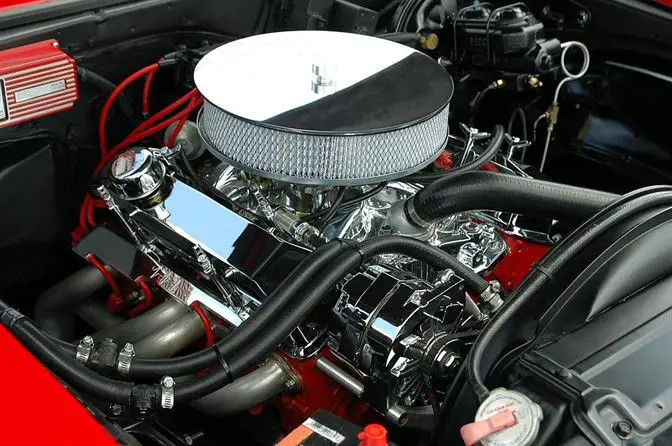
A Problem with the Ignition Module
When you fail to start a car, you should check the ignition modules. The transistor helps these semiconductor switching devices control the current flow and turn the primary winding of an ignition coil on and off. So, it would not be wrong to say that they act like mechanical points.
An external input is needed to help the ignition modules accomplish the task. Loose, broken, or corroded wires in the ignition module can be the reason for no spark from the distributor. Cleaning oxidized terminals and replacing broken wires is a good decision.
A Problem with the Ignition Coil
The ignition coil transforms the battery’s low power into a powerful spark. Sometimes, a car runs for a while, and then the engine stops working. A faulty ignition coil could be the sign of such a problem in the vehicle. Due to the increase in temperature of the coil or ignition module, this issue arises. The good news is that it starts working again once cooled. A problem with the ignition coil prevents the vehicle from starting.
Cracked Distributor Cap
Checking the distributor cap is crucial when a vehicle stalls suddenly and fails to restart. Check if the inside or outside is dirty. It must be free of rust or corrosion. Also, consider checking the rotor’s operation and any cracks on the distributor cap.
Faulty Ignition Switch
Mounted in the engine’s combustion chamber, the ignition switch is the weakest part of a vehicle’s ignition system. There are three positions in the ignition switch, which you will notice after inserting the key. When moving to the “ON” position, the dashboard lights should illuminate. If they do not light up, it could be a sign of a bad ignition switch.

Final Note
Many people face the problem of their car’s engine not starting. No spark from the distributor can be due to the reasons mentioned above. It is highly recommended to entrust your car to experts as they can diagnose the problem and resolve it as quickly as possible.