
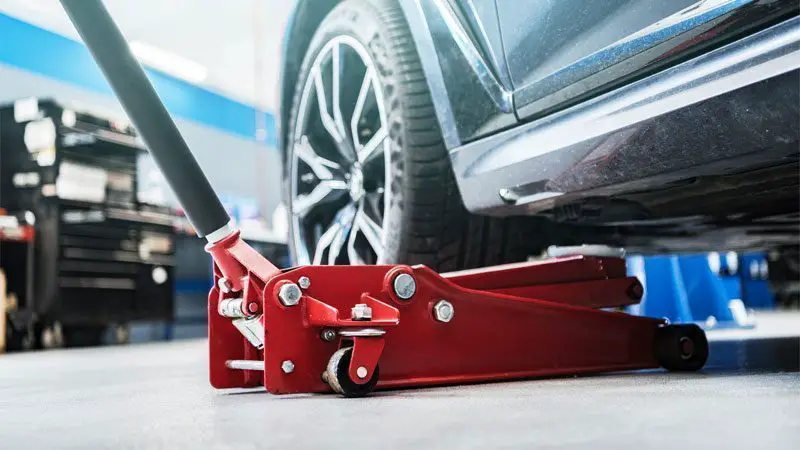
Owning a car involves much more than just the initial purchase; it includes insurance, registration, potential property taxes, and perhaps most importantly, maintenance.
Maintenance encompasses various elements, such as oil changes, tire rotation, brake checks, and filter replacements. Following your owner’s manual can help you manage about 30 different car maintenance items with suggested intervals, but remember that these can vary depending on your vehicle and driving conditions.
While our list doesn’t cover all maintenance tasks, it certainly covers the majority of them that car owners are likely to encounter throughout their vehicle’s lifespan.
Most Common Car Maintenance Tasks
1) Oil Change

Recommendation: Every 3,000 to 7,500 miles or as advised by the manufacturer.
If your vehicle is new, conventional motor oil is usually fine unless your vehicle manufacturer specifically recommends a certain type of oil. As your vehicle ages, special blends will help extend the engine’s lifespan, including full synthetics.
2) Tire Pressure
Recommendation: Check monthly (when tires are cold).
Remember to check the pressure so it’s ready to use when you need it. The correct PSI will be indicated in your owner’s manual or on a sticker inside the driver’s door jamb.
3) Tire Rotation
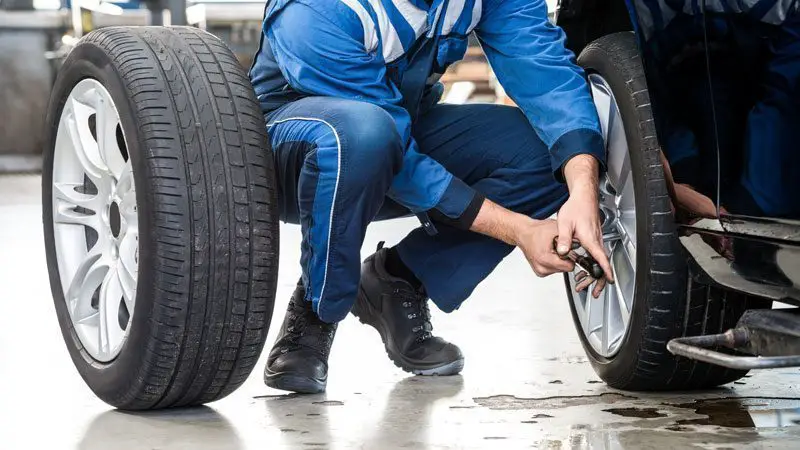
Recommendation: Every 6,000 to 8,000 miles.
Extend tire life by rotating according to the scheduled plan to distribute wear evenly. Unusual wear patterns may indicate a need for front alignment or other suspension adjustments.
4) Tires (Tread Depth)
Recommendation: Check monthly or before long trips.
Adequate tread depth helps maintain traction on the road, especially in wet or slippery conditions, while worn tread can lead to reduced handling, longer stopping distances, and an increased risk of hydroplaning or skidding.
If you need new tires, check out our tire brand recommendations.
5) Brake Pads
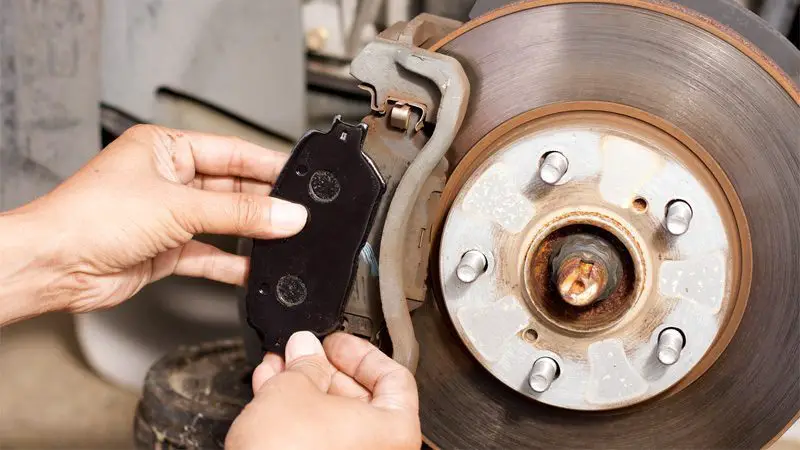
Recommendation: Check every 10,000 miles and replace if necessary.
Signs of worn brake pads include grinding, squealing, vibrations during braking, and longer stopping distances.
6) Battery
Recommendation: Inspect every 15,000 miles and replace every 3 to 5 years.
Be aware that extreme weather conditions can shorten this lifespan. Most car batteries today do not require adding water, as they are maintenance-free. However, cleaning corrosion from battery posts and terminals and securing connections can prevent unexpected breakdowns.
To assess battery health, use a multimeter. A reading between 12.2 and 12.6 volts indicates a full charge.
7) Engine Air Filter
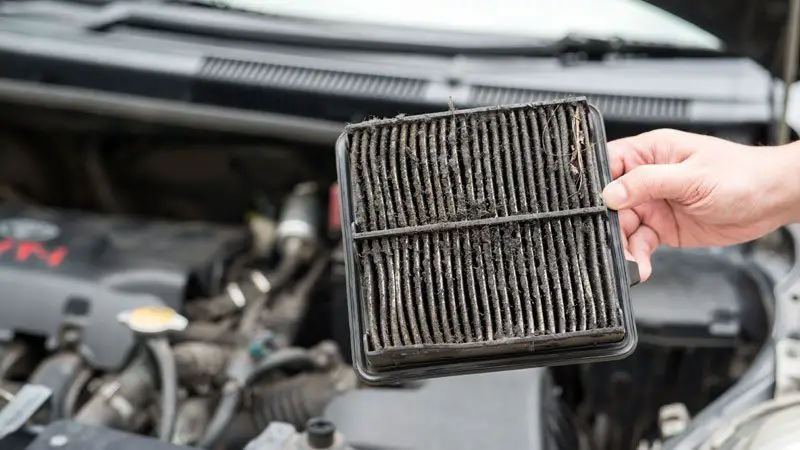
Recommendation: Replace every 15,000 to 30,000 miles or as needed.
A dirty or clogged filter will restrict airflow and can impact performance and reduce fuel efficiency. The replacement process is usually very easy to do as a DIY task for almost anyone.
8) Cabin Air Filter
Recommendation: Replace every 15,000 to 25,000 miles or once a year, whichever comes first.
Ensure clean cabin air by changing this filter regularly. In some cases, you can simply clean it if larger debris is clogging it. The cabin air filter is typically located behind the glove box in most vehicles.
Those with severe allergies may benefit from replacing the filter sooner than the recommended interval.
9) Spark Plugs
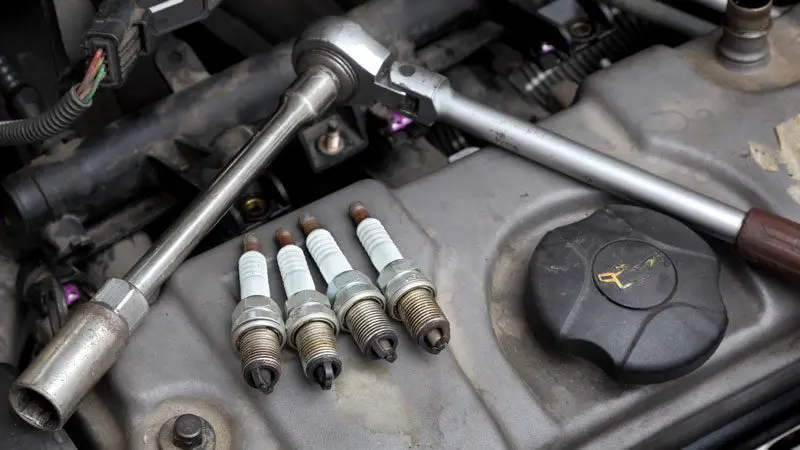
Recommendation: Replace every 30,000 to 100,000 miles, or as per your car manufacturer’s instructions.
It’s worth considering Iridium spark plugs due to their robust metal composition compared to copper or platinum variants, leading to a slower wear rate.
10) Brake Fluid
Recommendation: Check every 20,000 miles and replace every 1 to 2 years.
Noisy brakes, including vibrations, and fluid discoloration are signs that your brake fluid needs to be changed.
11) Power Steering Fluid
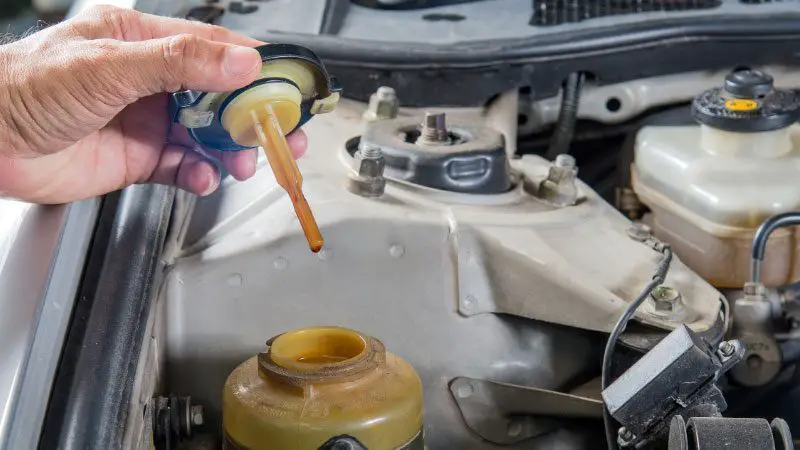
Recommendation: Check every 30,000 miles and replace as needed.
If you have difficulty turning the steering wheel, you may be low on power steering fluid, possibly due to a leak.
12) Coolant
Recommendation: Check every 30,000 miles; replace every 2 or 3 years.
Strange odors from under the hood indicate coolant issues. Additionally, if the car overheats or the heater doesn’t work, check the coolant level and condition.
13) Transmission Fluid
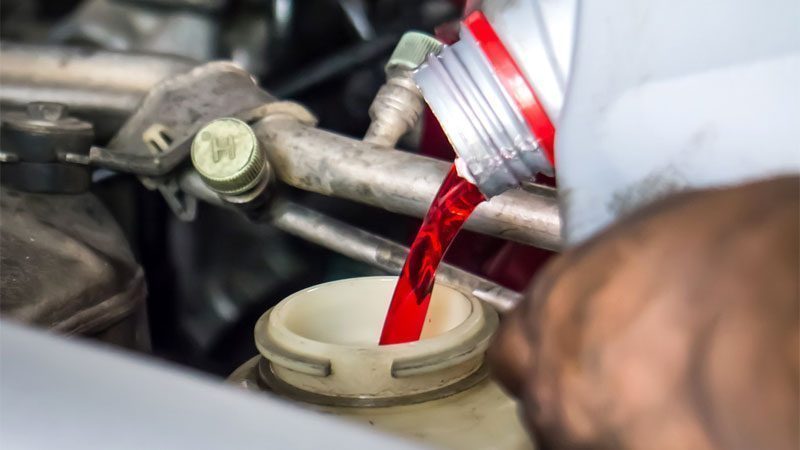
Recommendation: Change every 60,000 to 100,000 miles or as advised by the manufacturer.
Typically, the correct transmission fluid is clear or bright red. Once it becomes dark red or brown, it should be changed.
14) Serpentine Belt
Recommendation: Check every 50,000 miles; replace every 60,000 to 100,000 miles.
Fraying, cracks, looseness, and squealing are signs that the serpentine belt needs to be replaced.
15) Timing Belt
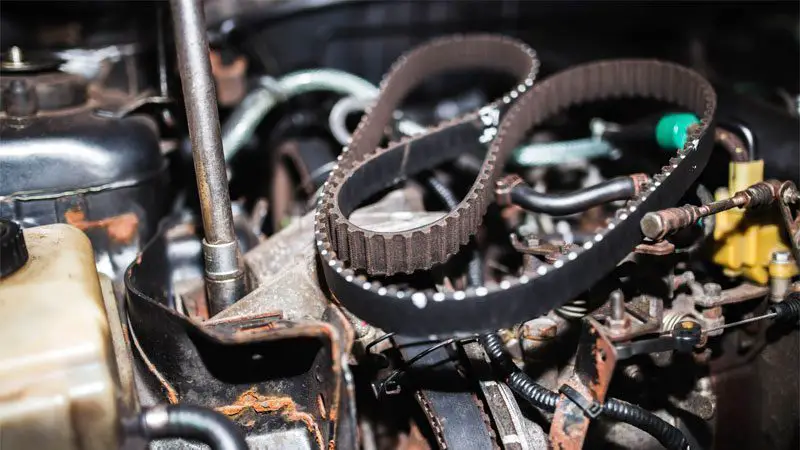
Recommendation: Check every 60,000 miles; replace every 60,000 to 100,000 miles or as advised by the manufacturer.
If your vehicle uses a timing belt (some use a timing chain), it is imperative that it is in good working condition. Timing belt failure is often due to age and risks causing catastrophic engine damage. Always have your timing belt replaced at the recommended interval or if you notice it is worn, loose, or damaged.
16) Windshield Washer Reservoir
Recommendation: Check monthly; top up if necessary.
For extreme cold, consider a special de-icer mixture to keep it flowing all season.
17) Windshield Wipers

Recommendation: Replace every 6 to 12 months or as needed (i.e., when they are squeaky or skipping).
A good rule of thumb is to change windshield wiper blades in the spring and again in the fall, between extreme weather conditions when the blades undergo a lot of wear.
18) Lights (Headlights, Taillights, Turn Signals)
Recommendation: Check monthly; replace as needed.
Replace bulbs in pairs, even if only one has burned out. You’ll be glad you did.
19) Exhaust System
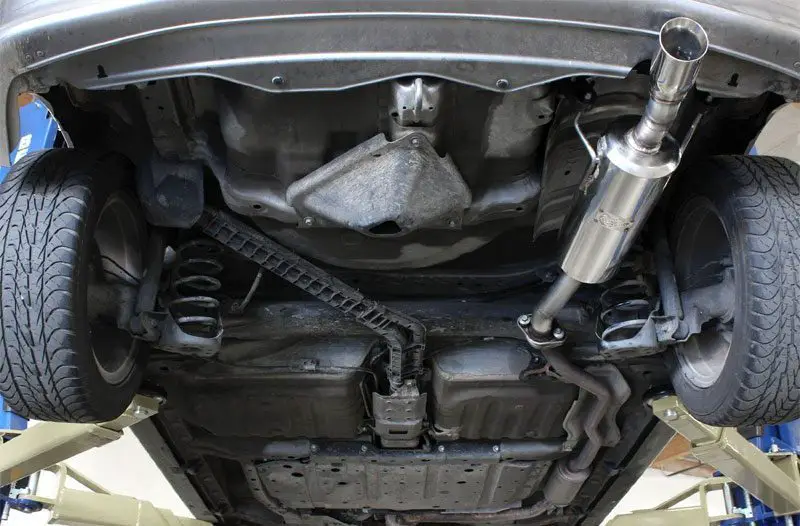
Recommendation: Check annually for leaks, damage, or malfunctions.
May require placing the vehicle on a lift for a close inspection.
20) Struts and Shocks
Recommendation: Check every 50,000 miles; replace if necessary.
If the nose dips during braking, the vehicle sways in turns, or you experience uneven tire wear, the struts or shocks may be worn.
21) CV Joints/Boots
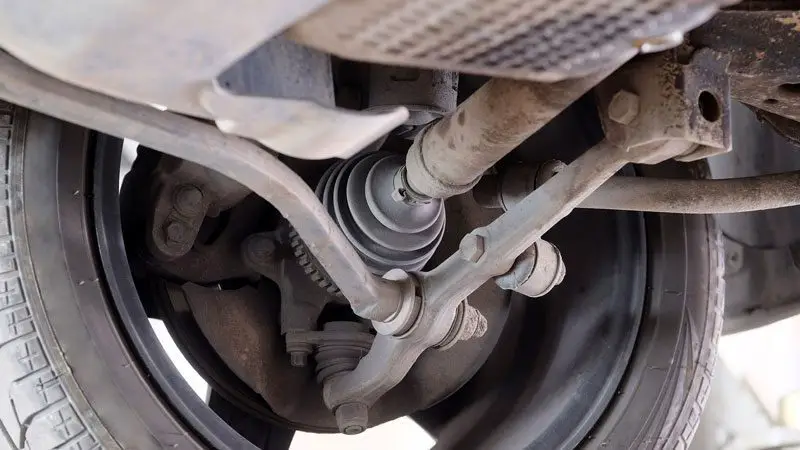
Recommendation: Check every 30,000 miles; replace if damaged.
Commonly found in front-wheel drive cars and all-wheel drive vehicles. Found in some rear-wheel drive models. You’ll notice certain symptoms with CV joint failure.
22) Fuel Filter
Recommendation: Replace every 20,000 to 40,000 miles or as advised by the manufacturer.
Hard starting, stalling, occasional misfiring, rough idling, and poor engine performance indicate a bad fuel filter.
23) Brake Rotors/Disks

Recommendation: Check every 10,000 miles; replace if necessary.
Noisy brakes, vibrations, groove marks on the rotors, and extended stopping distances are all signs of problems with your brakes.
24) Wheel Alignment
Recommendation: Check every 10,000 to 20,000 miles or if steering issues are noticed.
You can do this at the same time as tire rotation, but expect to pay a bit more for the alignment.
25) Suspension
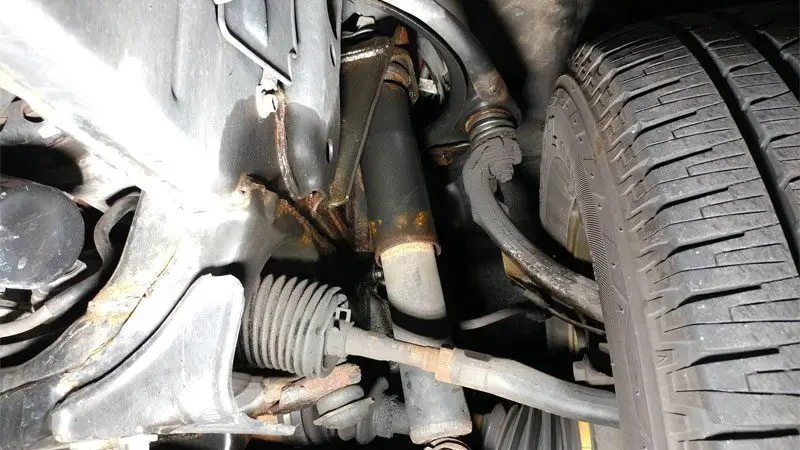
Recommendation: Check annually or if ride quality decreases.
Look for leaks around the shocks and struts for signs of trouble. Additionally, excessive tire wear, a shaky steering wheel, clunking noises, and a bouncy car are additional concerning signs.
26) Differential Fluid
Recommendation: Change every 30,000 to 60,000 miles or as advised by the manufacturer.
Also known as gear oil, differential oil is in the axle housing. It is therefore an easily overlooked maintenance item.
27) HVAC System

Recommendation: Check annually, especially before summer and winter seasons.
For summer months, replenishing refrigerant (R-134a or R-1234yf) and inspecting for leaks should ensure months of cool cabin driving. During colder months, a lack of heat in the cabin could be due to low refrigerant, a thermostat stuck open, or a blocked heater core.
28) Radiator
Recommendation: Inspect annually; clean/flush every 30,000 to 50,000 miles.
This is a job you can handle with premixed coolant and a used radiator cleaner. Keep in mind, however, you’ll need to recycle the old coolant.
29) Radiator Hoses
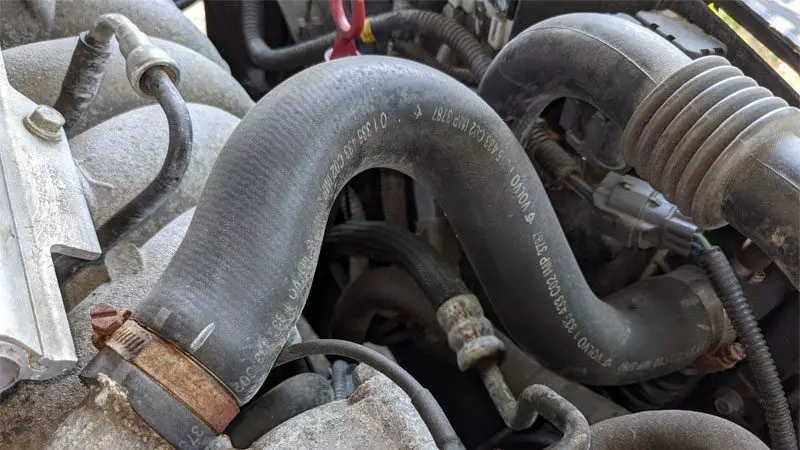
Recommendation: Check every 30,000 miles possible and replace every 4 to 5 years.
Neglecting this task can lead to engine overheating. Warning signs such as bulging, cracking, a pool of fluid under your parked car, moisture spots on the outside of the hose, or minor coolant drips in the engine compartment indicate a potential problem and should not be ignored.
30) Undercarriage Wash
If you regularly wash your vehicle, the underside may not receive proper attention. At least once a year or more often if you live near the ocean, in an area that uses road salt, or if you take your vehicle off-road, use a pressure washer to wash and unclog the drains underneath. This prevents rust and can extend the vehicle’s lifespan.
Car Maintenance Considerations
Being proactive with these 30 essential car care maintenance checks can significantly extend your vehicle’s lifespan and improve its performance.
Your owner’s manual is indeed an excellent guide, but keep in mind that individual maintenance requirements may vary depending on the specific car and the driving conditions it is exposed to. Therefore, staying informed and alert is essential to maintaining your vehicle’s reliability and value.