
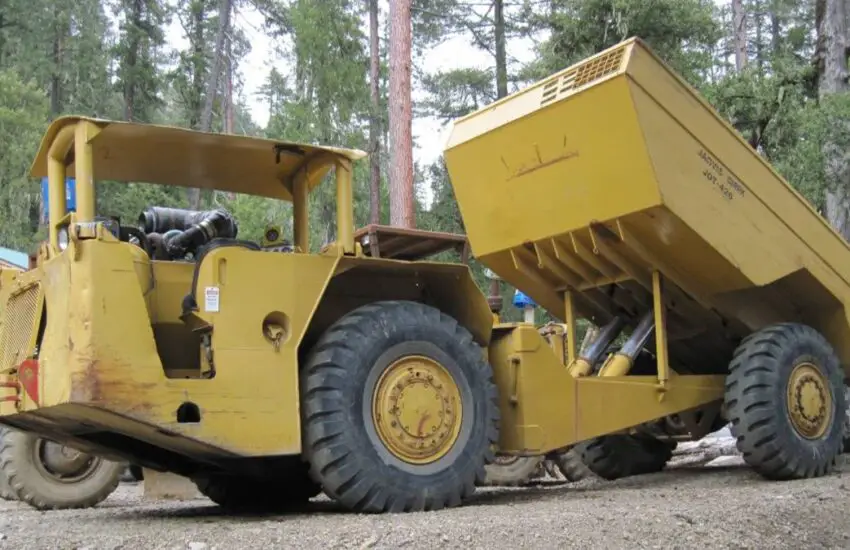
The Allure of a 1960s Articulated Dump Truck
For heavy equipment enthusiasts, owning a classic piece of industrial history holds a unique appeal. The opportunity to acquire a 1960s-era articulated dump truck, like the Jarvis Clark JDT 426 listed for $10,000, presents a tantalizing prospect. These mechanical titans were engineered for the brutal conditions of mining and major earthmoving projects, representing a bygone era of rugged, no-frills machinery. The sheer scale and vintage character of such a vehicle can be a powerful draw for collectors and tinkerers seeking an unconventional project.
A Monumental Restoration Project
Purchasing a 60-year-old hauler is not akin to buying a classic car. The challenges are magnified by the machine’s size, specialized components, and likely hard-working past. Prospective owners must consider the immense costs and logistical hurdles of restoration. Finding replacement parts for obsolete systems, sourcing massive tires, and accessing technical manuals can become a full-time pursuit. The initial purchase price is merely a down payment on the total investment required to return this industrial artifact to working condition.
Practical Considerations and Hidden Costs
Beyond restoration, practical ownership issues abound. Transporting a non-operational truck requires heavy hauling equipment, incurring significant expense. Storage demands a vast, secure outdoor space, as this machine will not fit in a standard garage. Furthermore, the operational costs, from hydraulic fluids to potential engine rebuilds, are on an industrial scale. The romantic idea of a vintage hauler must be weighed against the reality of its ongoing demands.
Is This a Wise Investment?
For the vast majority, a 1960s articulated dump truck is not a sensible purchase. It serves little practical purpose outside of a museum display or a highly niche private collection. However, for the individual with extensive resources, space, and a deep passion for preserving industrial heritage, it represents an unparalleled project. The value lies not in financial return, but in the accomplishment of saving a piece of engineering history. For everyone else, admiring from afar is undoubtedly the more prudent course of action.